Nvidia (NVDA 1.25%) reported strong earnings on Feb. 26, yet the stock dropped over 9% from its pre-earnings level by Feb. 27. While the shares have been recovering slightly, they are still trading below their pre-earnings price.

Image source: Getty Images.
Investors are now focusing less on near-term results and more on the sustainability of artificial intelligence (AI) capital expenditures (capex). They are also concerned about the rising competitive pressures. As hyperscalers and enterprises increasingly shift from AI training to inference (real-time deployment of AI models in production environments), some believe this could create more room for competing chipmakers.
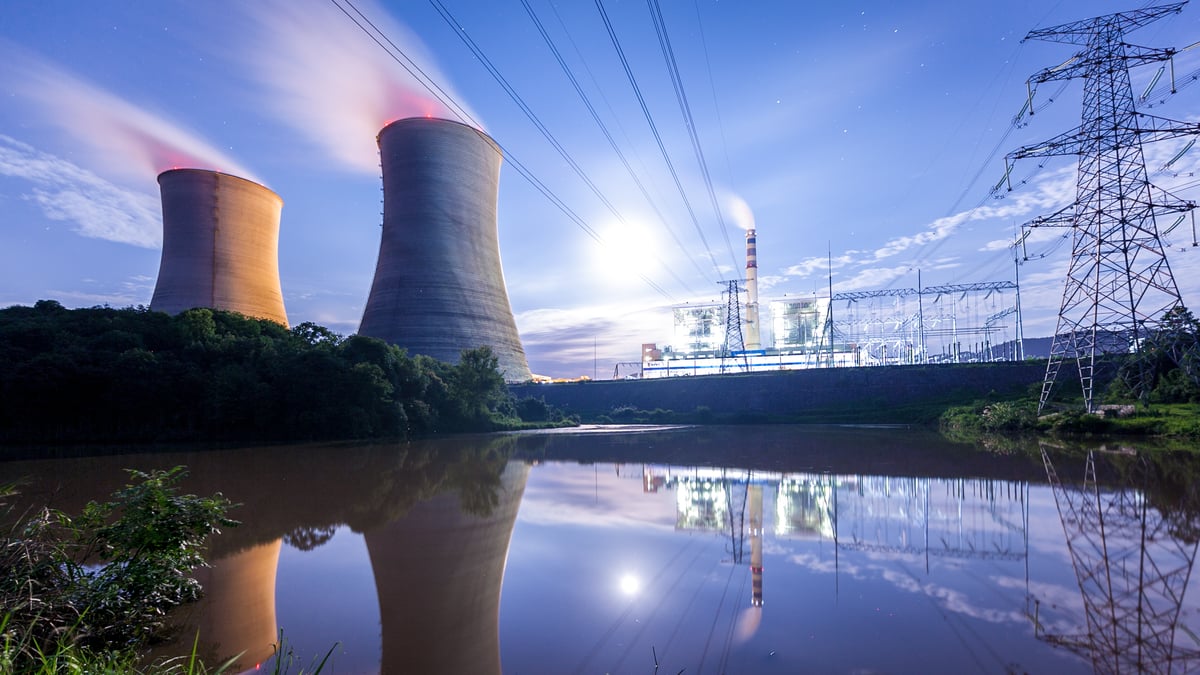
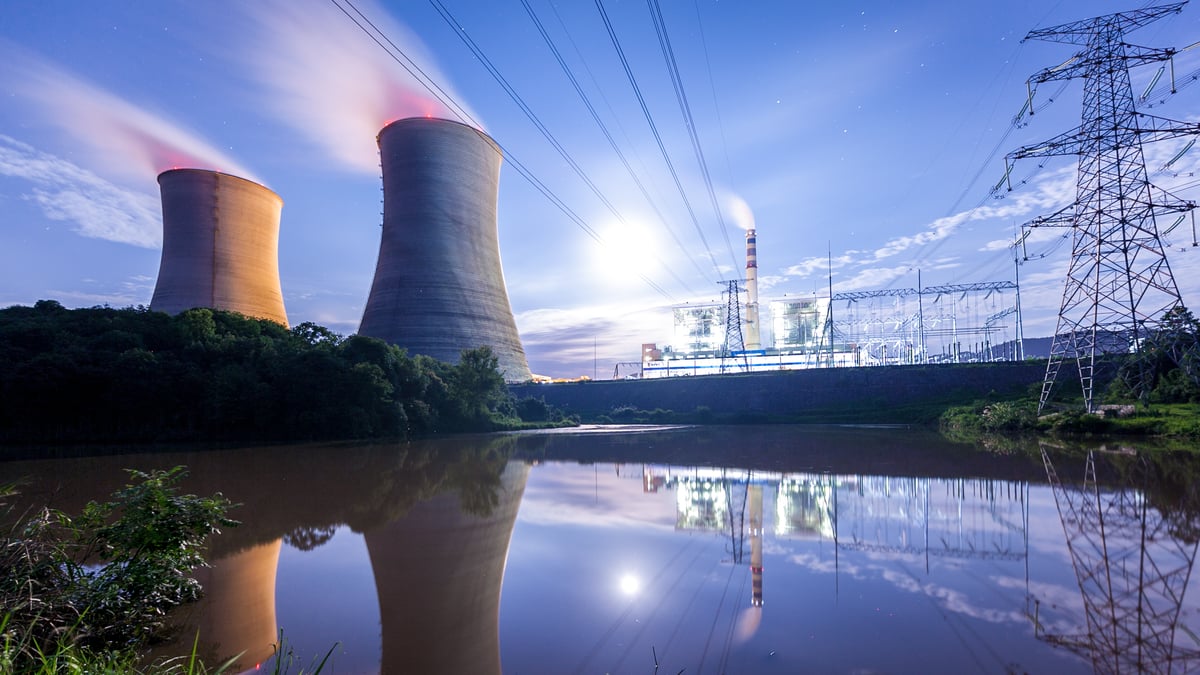
In this environment, investors may want to look beyond semiconductor and AI stocks and opt for energy stocks. Constellation Energy (CEG +1.66%) and GE Vernova (GEV 1.64%) are two such growth stocks well-positioned to benefit from the expected long-term rise in U.S. electricity demand. Both are also relatively insulated from Middle East-related oil supply disruptions, as these businesses operate mainly in the U.S. power markets.
1. Constellation Energy
Constellation Energy has become one of the largest electricity producers in the U.S. after completing its acquisition of Calpine in January 2026. The acquisition combined Constellation Energy's zero-emission nuclear generation with Calpine's natural gas and geothermal assets. Constellation Energy now operates 55 gigawatts of generation capacity and serves nearly 2.5 million retail and business customers. The deal has also expanded the company's footprint in fast-growing power markets like Texas and California.
The most significant catalyst for Constellation Energy is the surging electricity demand, mainly from data centers. The company has already signed a 20-year purchase agreement with Meta Platforms for nearly 1,121 megawatts of nuclear energy from its Clinton Clean Energy Center, with deliveries expected to begin June 2027. This agreement supports relicensing and continued operations at the Clinton nuclear facility for another two decades after the expiration of the state Zero Emission Credit subsidy program.
The company has also contracted with Microsoft under a 20-year agreement to support the restart of Three Mile Island Unit 1, also known as Crane Clean Energy Center. Expected to come online in 2028, this project will add over 800 megawatts of carbon-free electricity to the power grid. Together, these agreements provide exceptional long-term revenue visibility powered by data center demand.

NASDAQ: CEG
Key Data Points
Constellation Energy is also benefiting from rising capacity payments and wholesale electricity prices in key power markets, where many of the company's nuclear facilities operate. Wholesale prices determine how much the company earns when it sells electricity into competitive markets, while capacity payments compensate power plants for being available to supply power during periods of high demand.
The company's recent financials highlight its robust operating momentum. In the fourth quarter of fiscal 2025, the company's revenue of $6.07 billion surpassed the consensus estimate of $5.6 billion, while adjusted earnings per share of $2.30 were better than the consensus estimate of $2.25.
Constellation Energy, however, is not without risks. The company's earnings are sensitive to power price volatility. It is exposed to outage and regulatory risks associated with nuclear operations. Finally, the company is trading at nearly 23.8 times forward earnings, which is quite expensive for a utility stock.
Yet considering its long-term revenue visibility and operational strength, the stock appears a smart pick even at these premium valuation levels.
2. GE Vernova
GE Vernova is a global power and electrification company that builds gas turbines, grid equipment, and wind systems and provides long-term power plant services. The company plays a crucial role in electricity generation and its movement across the grid. Hence, it has become a significant beneficiary of the increasing power demand driven by data centers, AI infrastructure, and electrification.
The company ended 2025 with a contractual backlog of $150 billion, up 25% year over year. Of this, the equipment backlog was worth $64 billion, up 50% year over year. GE Vernova is seeing profitable order growth in its Power and Electrification businesses, driven by accelerating demand and favorable pricing. As these higher-margin orders are delivered over the next few years, they will also boost the company's earnings.
Demand for gas power remains strong. In the fourth quarter, GE Vernova signed contracts tied to 24 gigawatts of new gas turbine capacity, meaning the company's equipment will be used to generate that amount of new electricity at upcoming power plants. By the end of fiscal 2025, GE Vernova's total gas equipment backlog and slot reservations reached 83 gigawatts. That included turbines already ordered as well as customers reserving future manufacturing slots for equipment needed to generate power.

NYSE: GEV
Key Data Points
Management expects that backlog to reach 100 gigawatts in 2026. Plus, since new slot reservations are booked at higher pricing levels, this will further boost the company's overall margins.
Beyond equipment sales, GE Vernova has also built a high-margin, recurring, long-term services business. The company exited fiscal 2025 with a power services backlog of $70 billion, associated with turbine maintenance and upgrades.
GE Vernova generated $38 billion in revenues and $3.7 billion in free cash flow in fiscal 2025. The company is guiding for revenue in the range of $44 billion to $45 billion and free cash flow in the range of $5 billion to $5.5 billion for fiscal 2026.
Currently, the shares trade at nearly 37.4 times forward earnings, which is steep. However, considering its strong backlog, improving margin profile, and exposure to long-term electricity demand, I believe the stock is an attractive buy now.