Pfizer (PFE 0.81%) has had its share of ups and downs in recent years. The pharma giant scored a major win in early pandemic days as it brought its coronavirus vaccine and later a coronavirus treatment to market. Those products helped it reach $100 billion in revenue back in 2022.
But as demand for those products decreased and other Pfizer blockbusters reached patent expiration, the company saw revenue and stock performance decline. Should you avoid Pfizer? Here's the key risk to watch.

Image source: Getty Images.
Blockbusters on the decline
As mentioned, Pfizer's major blockbusters have been on the decline, and that brings it to a major turning point. The company must renew its portfolio with a number of strong products that will drive future growth. All of this depends on Pfizer's ability to successfully develop products in-house, as well as its ability to identify great outside technologies or products and acquire them.
So, Pfizer's biggest risk right now is that it has reached this moment of transition -- and a lot depends on its pipeline and the strength of recent acquisitions, including Seagen for its oncology products and research, and Metsera, which brought Pfizer an obesity drug pipeline.
Pfizer said during its latest earnings report that this year will be key as the company begins 20 significant pivotal trials.

NYSE: PFE
Key Data Points
A market heading to $100 billion
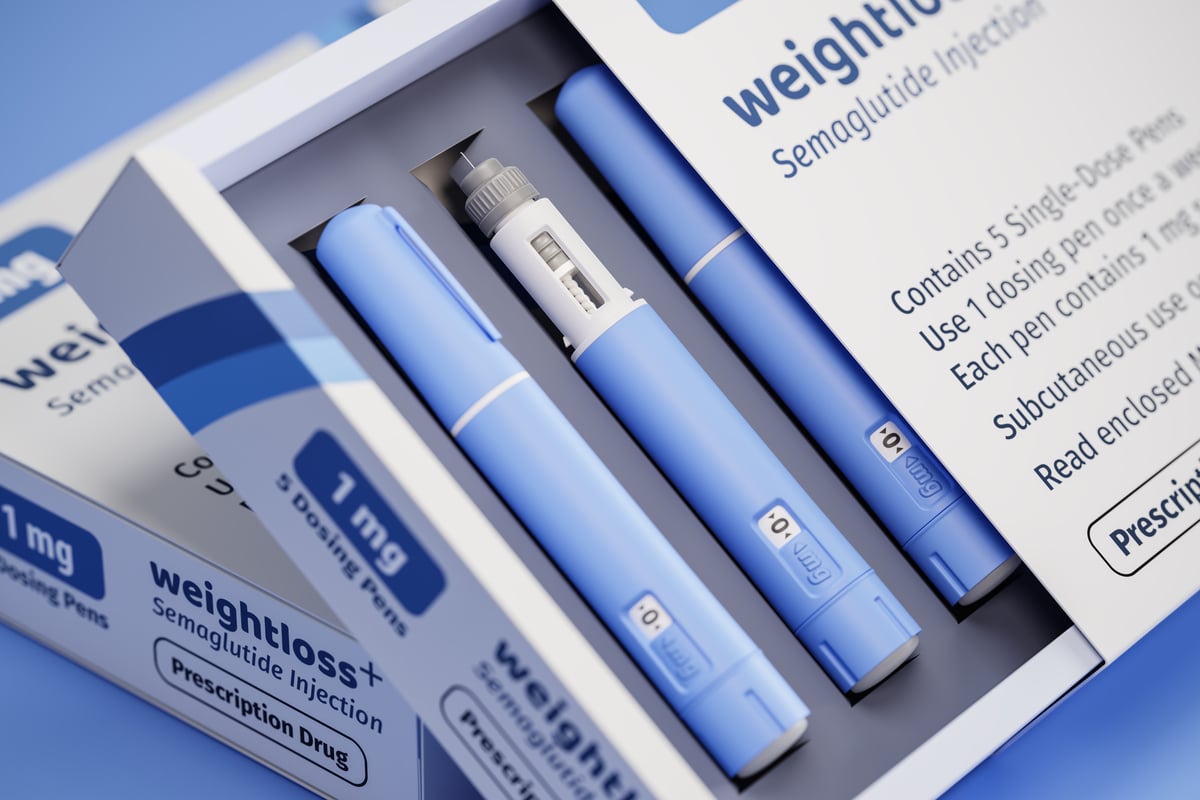
An area of promise that could be transformational for Pfizer is the obesity drug market. Today, Eli Lilly and Novo Nordisk dominate, but through the acquisition of Metsera, Pfizer hopes to enter this industry of high demand and soaring revenues. Analysts expect the weight loss drug market to reach nearly $100 billion by the end of the decade, so there should be room for several players to generate blockbuster revenue here.
Pfizer's candidate, gained through the Metsera acquisition, has a particular advantage over current treatments. It could potentially be administered monthly. Today's injectable weight loss drugs are given weekly. The latest trial readout supports the idea of this less frequent administration, and Pfizer aims to advance 10 phase 3 trials for this candidate this year.
All of this sounds good, so you may wonder why it represents a risk. As for any pharma company, the big risk is the failure of candidates along the development pathway. And today, Pfizer depends on many pipeline programs to reshape its portfolio -- and eventually lead to growth. If key candidates, such as the obesity one, stumble, this could set Pfizer back and significantly weigh on stock performance.
Should you avoid Pfizer? No -- it's worth investing because the pharma player has many programs in the pipeline, and even if certain headwinds slow the company's turnaround, they are unlikely to stop it. If even a few candidates reach approval over the next few years, they should ignite a new era of growth for Pfizer.