Shares in Diamondback Energy (FANG +0.83%) and Valero Energy (VLO +2.06%) have risen strongly in 2026, partly in response to hostilities in the Gulf and the resulting increase in oil prices.
However, they shouldn't be seen as mere tactical devices to protect a portfolio from a potential issue that might resolve with a swift resolution of the conflict. The reality is that both stocks could see a lasting positive impact.
1. Diamondback Energy
Diamondback is a U.S. oil and gas exploration and production company with a major focus on the Permian Basin, the most productive oil region in the U.S. that covers West Texas and New Mexico. It's a relatively conservatively run company whose management takes a flexible approach to drilling activity and capital spending.
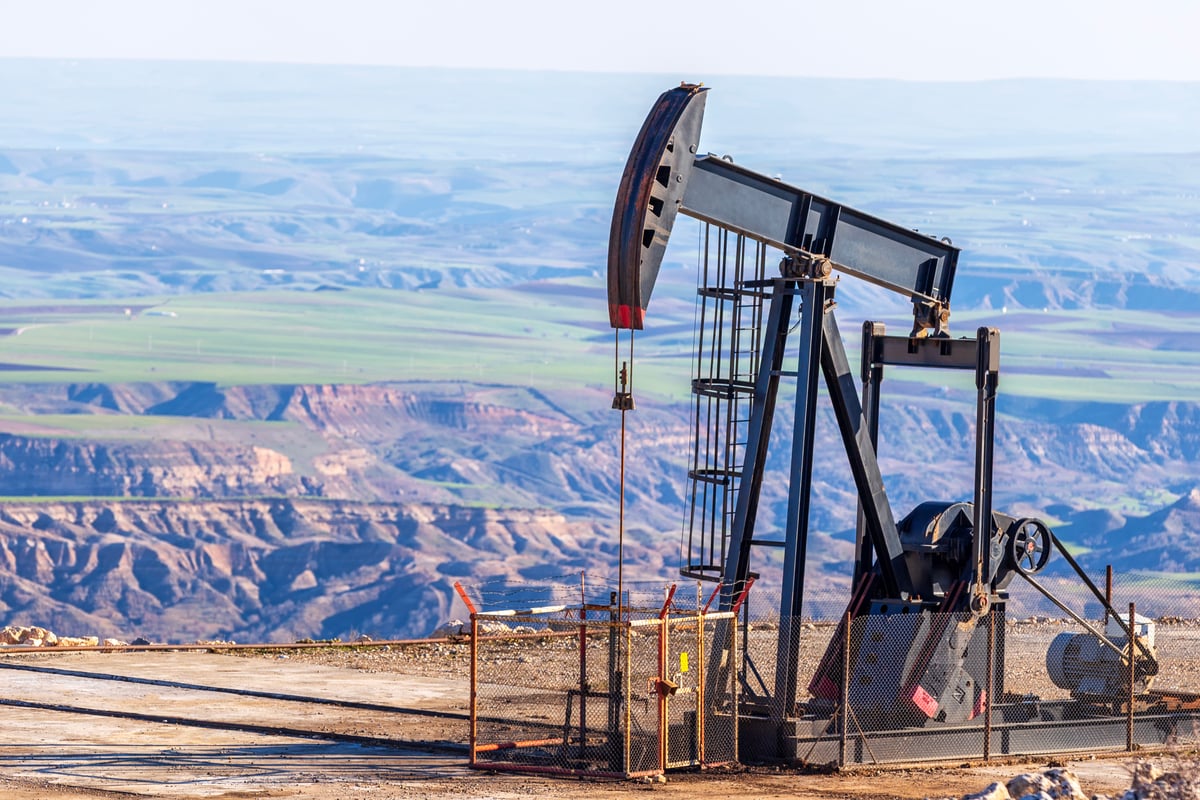
Image source: Getty Images.
The company's management team is committed to returning cash flow to investors, having returned $12.5 billion since 2018, including a base dividend (which grew from $0.50 a year to $4.20 a year over the period), opportunistic share buybacks, and share buyback programs. Regarding the latter, in late February, it had $2.3 billion remaining out of an approved $8 billion share buyback program.
The $4.20 dividend is protected down to an oil price of $37 per barrel, supported by hedging and its relatively low cost of production. Management believes it has upside exposure to a price of oil above $50 per barrel.

NASDAQ: FANG
Key Data Points
A higher oil price obviously helps Diamondback, and if the Strait of Hormuz, where 20% of the world's energy previously passed through, remains closed, oil prices will likely rise. The pressure could be more sustained if there's greater damage to energy infrastructure in the region.
2. Valero Energy
Buying stock in a petroleum refiner due to the threat of an extended period of relatively high oil prices might seem a questionable move right now. After all, if oil prices get too high, they could cause demand destruction for petroleum products over the long term, and since crude oil is a cost input for Valero, higher prices should pressure profit margins.
But the world has lived with $100 oil before, and the reality is that the key metric refiners care about is the "crack" spread between input costs and the prices of refined products. Moreover, Valero's 15 refineries consist of 13 in the U.S. and one apiece in Canada and the U.K. , and it therefore primarily sources U.S. crude oil.
Furthermore, the current and potentially future difficulties play into Valero's hands, as oil refineries have been hit in the conflict and could be hit again. It's also not yet clear what lasting damage could be done to them. This can result in wide crack spreads between refined products and crude due to a lack of supply.

NYSE: VLO
Key Data Points
Indeed, the current 3-2-1 crack spread (the yield produced by making two barrels of gasoline and one barrel of diesel from three barrels of crude oil) has blown up to above $47 recently, compared to the $15-to-$30 range it largely traded in over the last couple of years.
If the conflict in the Gulf creates lasting, structural problems for the region's refineries and those who use its oil, then Valero is likely to be a winner.