The world still runs on petroleum. That's what many are finding out after the shocks reverberating across the global economy as the Strait of Hormuz remains closed, shutting off a large portion of available oil and natural gas supplies. If the Strait remains shut, regions such as Europe, India, and East Asia may face fuel shortages amid rising oil prices.
Any market historian knows that a shutdown of Middle Eastern oil exports is reminiscent of the 1973 oil embargo, when oil prices nearly quadrupled. Are we in an oil embargo all over again? Here's how you can protect your portfolio from the latest oil shock.

NYSE: OXY
Key Data Points
The 1973 oil embargo
In the aftermath of aid provided for the Yom Kippur War, the Organization of the Petroleum Exporting Countries (OPEC) imposed a blanket embargo on oil exports to the United States. This sent oil prices from $2.90 to $11.35 a barrel from late October 1973 to January 1974. Even though the embargo was lifted in March 1974, oil prices remained elevated.
Gasoline prices soared in the U.S., and limits were placed on how much people could buy at the pump to conserve supplies. It turned the national economy upside down, causing a recession and high inflation, a phenomenon known as stagflation. The stock market crashed 50% in the worst drawdown since the Great Depression.
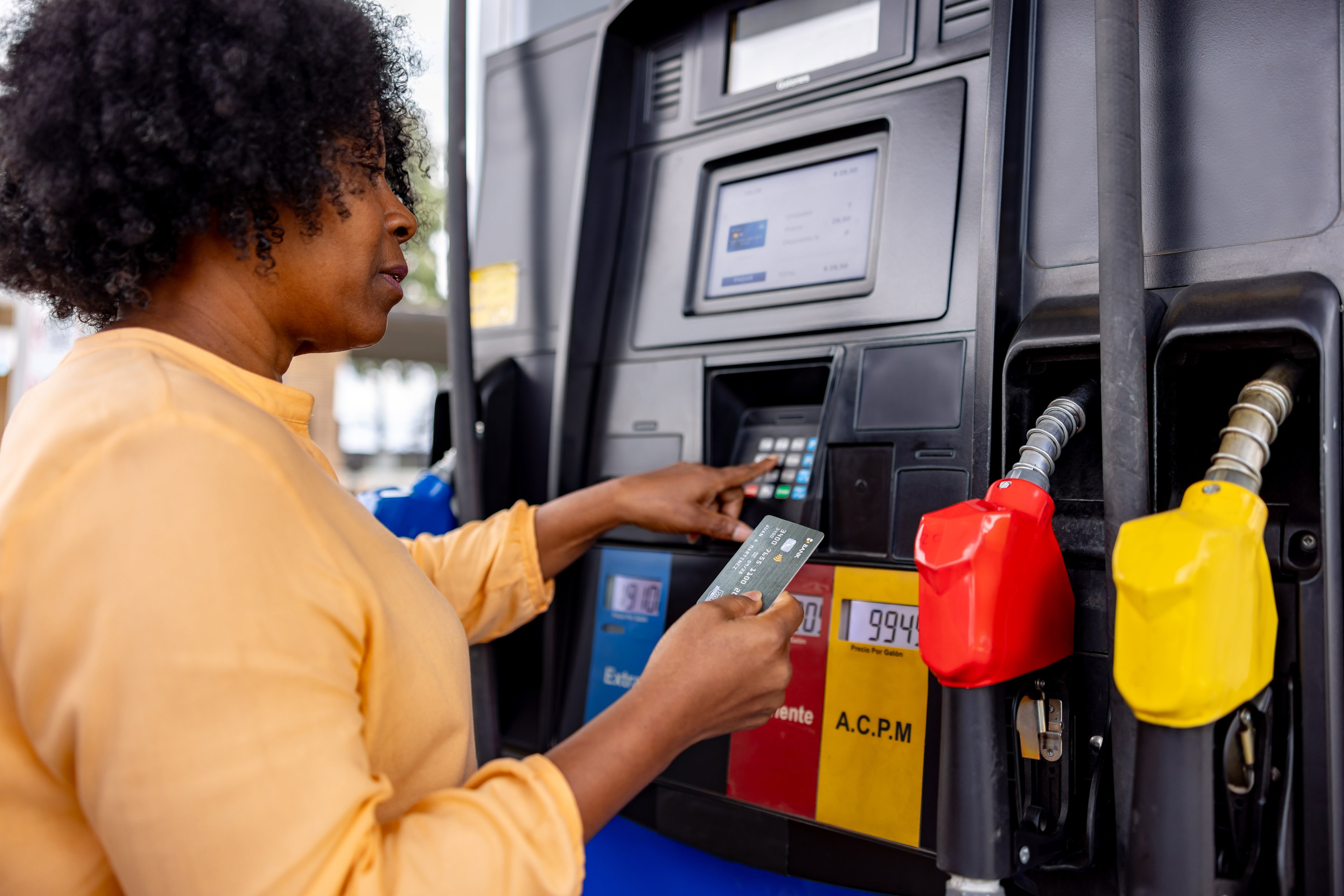
Image source: Getty Images.
Today is a much different energy environment (for the United States)
Are we in the same environment today? In one way, we are, with a lot of Middle Eastern oil supply, prevented from matching up with country-level demand.
But in many other ways, this 2026 oil price spike is nowhere near as severe as the 1973 spike. First, oil has not gone up by close to four times in a few months. If that were the case, oil would be at $240 a barrel, compared to around $60 it traded at in 2025.
Second, global oil markets are much less reliant on the Middle East than in 1973, especially the United States, which is now the world's largest producer of oil and natural gas. Third, the world is much more diverse in its energy consumption. Countries have been investing in renewable energy, which, combined with more efficient products such as modern automobiles, makes any spike in oil prices much more manageable than 50 years ago.
Even so, the situation in the Middle East and the Strait of Hormuz may get worse from here. Inflation could soar, and the stock market could crash. This happens from time to time.
If you are worried about this, the best move for your portfolio is to buy energy producers with a large exposure to more secure regions, such as the United States. These include companies like ConocoPhillips (COP 1.66%), Occidental Petroleum (OXY 1.80%), and Diamondback Energy (FANG +0.35%). In a Middle East-induced energy crisis, these can provide secure hedges for your portfolio's performance.