When investing for retirement, one of your biggest allies is a portfolio or individual stock that produces blowout returns for years and years.
But an even bigger ally may be time. Because you can have that incredible stock or portfolio that generates 25% to 30% returns year after year, but if you don't combine that with the power of compounding -- your money making money -- over a long period, you would have trouble getting to $1 million by retirement.
Take Nvidia, (NVDA +1.30%) for example. Nvidia is synonymous with the AI boom, as the manufacturer of graphics processing units (GPUs) that are used for high-performance computing and data centers. Nvidia's GPUs own a near 90% market share at data centers.
Over the past 10 years, Nvidia stock has grown by a ridiculous 70% per year, on an annualized basis. You'd be hard-pressed to find a stock that had a higher 10-year return than Nvidia.

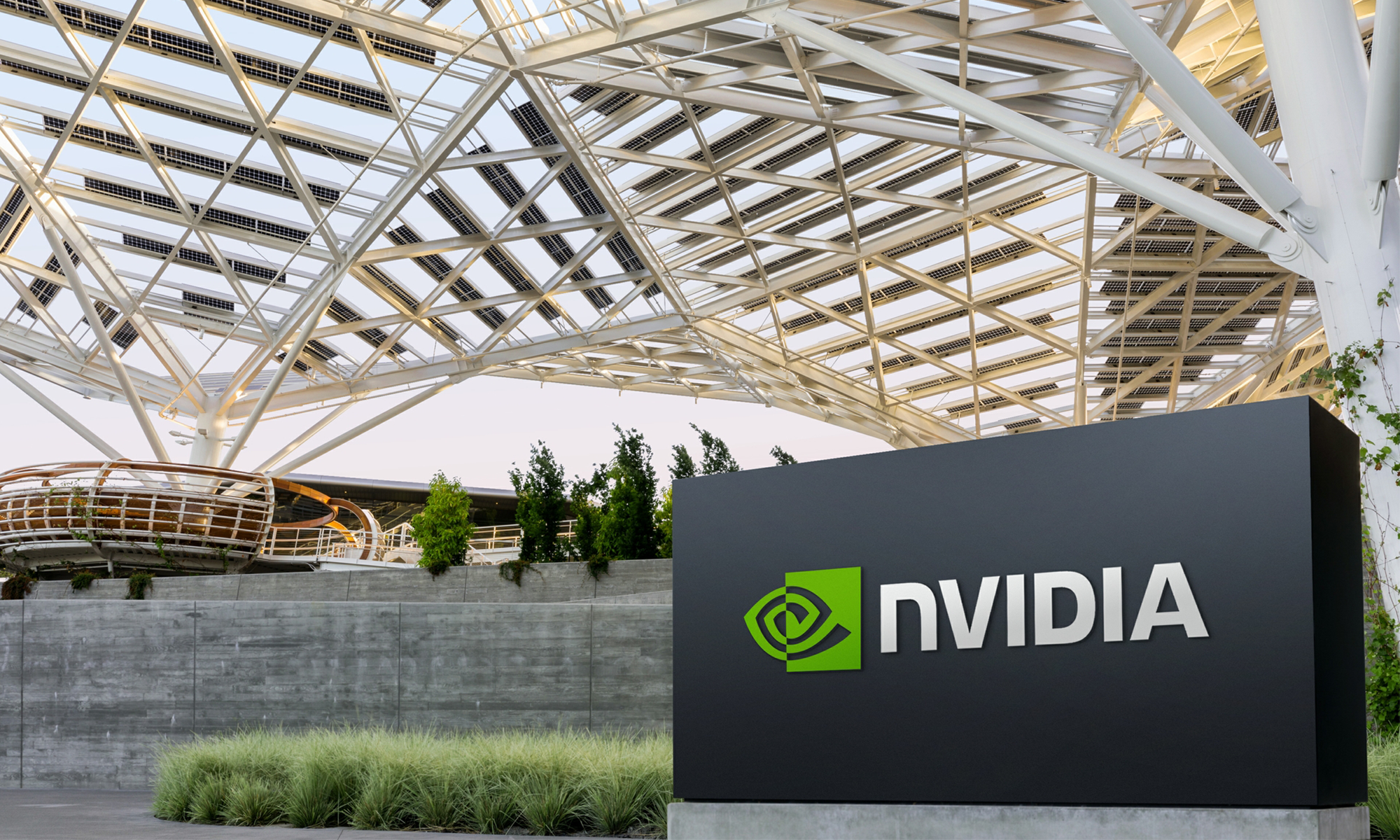
Image source: Getty Images.
So, if you invested $10,000 in Nvidia and contributed $100 per month, after five years with that 70% annualized return, you'd have about $171,000.
But if you waited five more years and held Nvidia stock for 10 years, that same $10,000 investment, with $100 added per month, would soar to $2.5 million with a 70% annualized return.
How Nvidia could make you a millionaire
That, of course, is an extreme example. Nvidia has been on a meteoric run the past decade, and it will be very hard to match that level of success. But the stock is still relatively cheap, trading at 35 times earnings and just 21 times forward earnings.
And its growth just keeps accelerating. In fiscal 2025, Nvidia generated a record $216 billion in revenue, up 65% year over year. Its earnings per share rose 67% to $4.90. In the fiscal first quarter, it projects $78 billion in revenue, up 15% from the previous quarter.

NASDAQ: NVDA
Key Data Points
For this full fiscal year, analysts expect 70% growth in revenue and 74% growth in earnings, followed by a 34% earnings increase in 2028.
Wall Street analysts project a median price target of $265 per share for Nvidia over the next 12 months, which would be a 54% increase over the current price.
It might be delusional to think Nvidia can average another 60% to 70% annual return over the next 10 years, but given the earnings growth and stock price projections for the near term, say it averaged a 23% return for the next 10 years. That might even be considered a conservative estimate.
So, if you invested $10,000 in Nvidia and contributed $100 per month, after 10 years, with a 23% average annualized return, you'd have about $120,000. But if you doubled that out to 20 years, you'd have close to $1 million saved -- about $990,000 to be more precise.
Now, is a 23% average return likely over the next 20 years? When you consider that Nvidia has averaged a 34% annualized return over the past 20 years, it is certainly within the realm of possibility.
Those extra 10 years really show how time in the market and compounding can supercharge your investments.