President Trump has set a deadline for Tuesday at 8:00 p.m ET, pledging to destroy Iran's bridges and power plants if it does not reopen the Strait of Hormuz.
As of 6:00 p.m. ET, there was still no such attack, and Pakistan's Prime Minister, Shehbaz Sharif, has asked for Trump to extend his deadline by two weeks.
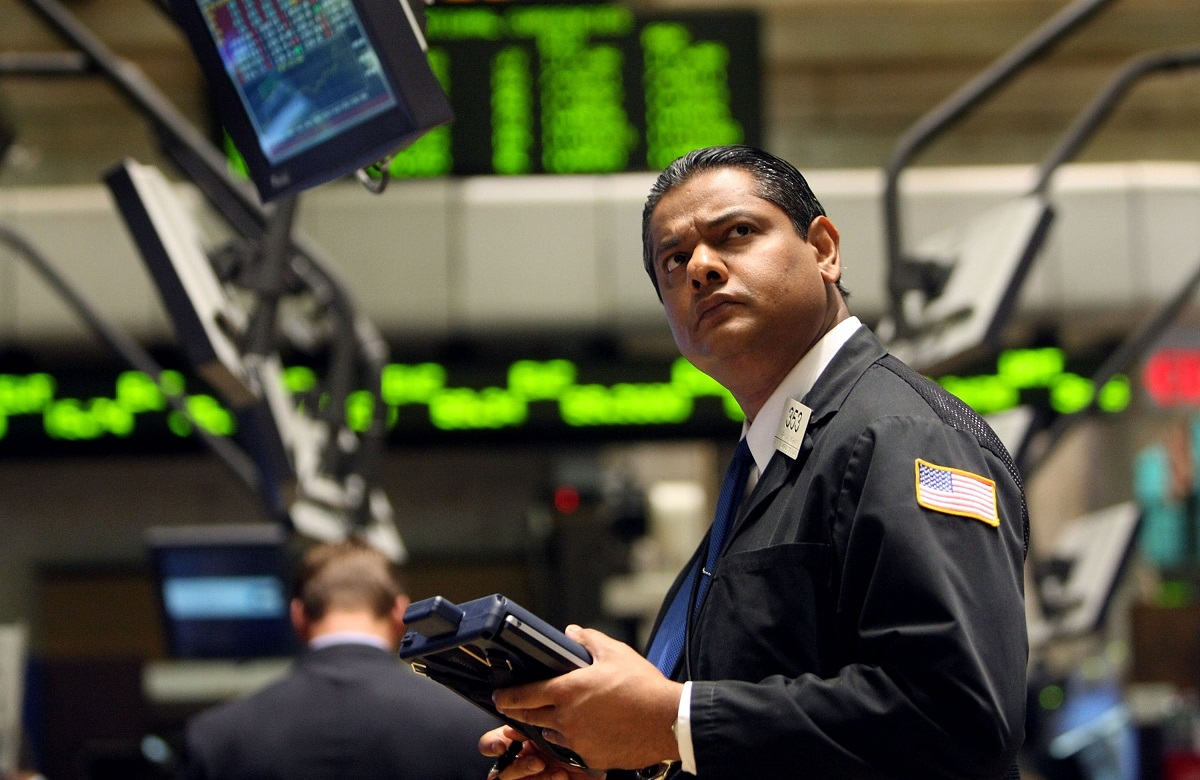
Markets have been on edge since the president made that promise over the weekend, rising on Monday in hopes that there would be a resolution to the war, and inched up on Tuesday with two of the three major indexes finishing in the green despite trading lower for nearly the whole session.
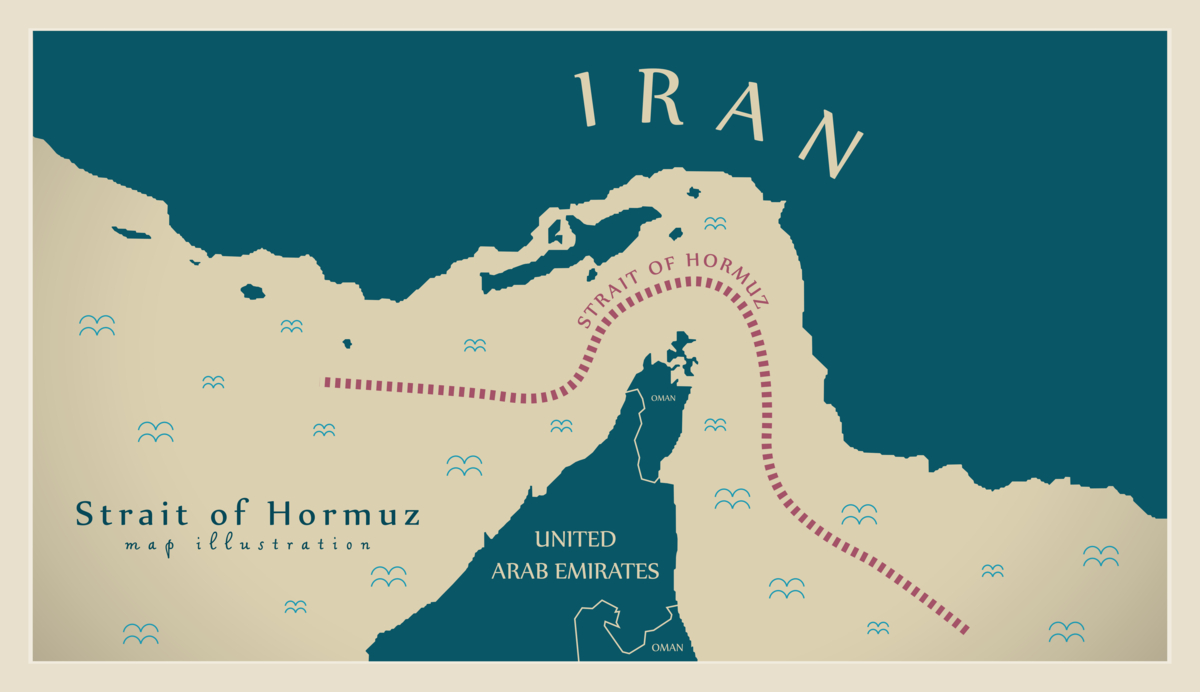
Image source: Getty Images.
What long-term investors should remember
Volatility has jumped since the U.S. and Israel attacked Iran, as oil and commodity prices have spiked, which is likely to lead to inflation in much of the world. A barrel of Brent crude, the global standard, rose from roughly $70 to more than $110.
However, there are a few things investors should keep in mind. First, there have been plenty of global shocks in history that have hit markets harder than the Iran war. Of course, the outcome is still unknown, which explains the uncertainty in the market, but stocks have bounced back from everything from the pandemic to the great financial crisis to multiple wars, and gone on to set all-time highs with enough time.
Second, a well-diversified portfolio like an S&P 500 (^GSPC +0.74%) index fund is built to withstand this kind of volatility and deliver over the long run. The S&P 500 gives investors exposure to 500 of the top American companies, and the index refreshes itself every quarter to weed out the laggards and bring in the rising stars. It's also well-diversified, so you'll get exposure to sectors like energy that have done well during the war, even as the broad market has fallen.
Finally, it's worth remembering that market sell-offs are great buying opportunities. While pessimism may seem appealing at a time like this, market corrections, defined as sell-offs of greater than 10% but less than 20%, often see a full recovery in just a matter of months. As my colleague Trevor Jennewine notes, bearish market sentiment tends to correlate with above-average gains, though that may sound counterintuitive.
The bottom line here is that no one knows what will happen with the war or with the stock market in the short term, but we can be reasonably well assured that it will bounce back in the long term.
After all, it's done that after every sell-off in market history.