For much of the last seven years, the bulls have ruled the roost on Wall Street. The S&P 500 (^GSPC +1.18%) has rallied at least 16% in six of the previous seven years (2019-2021 and 2023-2025), while the Nasdaq Composite (^IXIC +2.07%) and Dow Jones Industrial Average (^DJI +0.59%) have also normalized double-digit annual returns.
Although the stock market has been privy to several catalysts, including the rise of artificial intelligence, record S&P 500 share buybacks, and a Federal Reserve rate-easing cycle that began in September 2024, the current bull market may not be as bulletproof as it appears.
Based on the recently released Federal Open Market Committee (FOMC) minutes (commonly known as the "Fed minutes"), investors have reason to be worried about stocks.
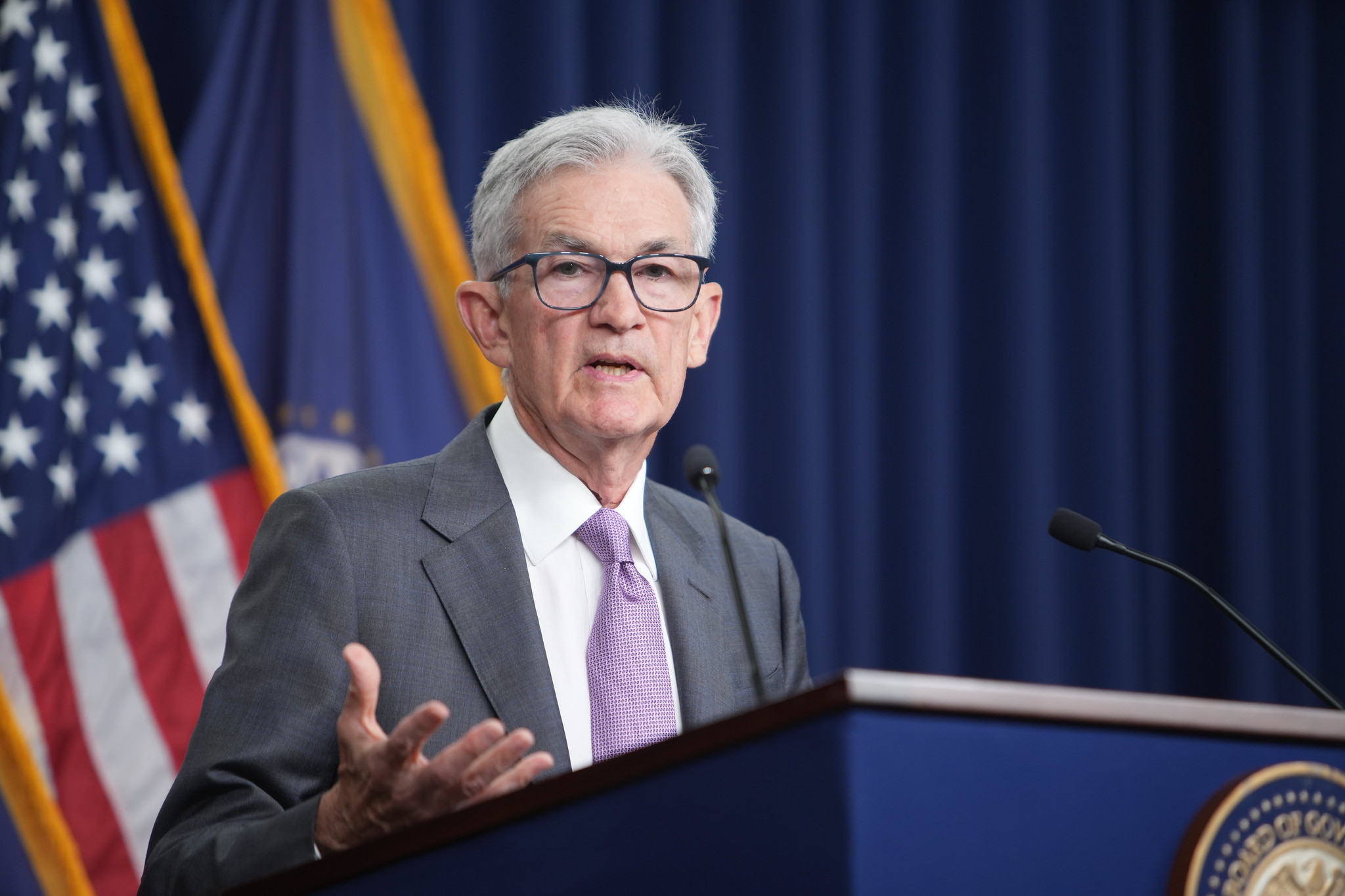
Fed Chair Jerome Powell delivering remarks. Image source: Official Federal Reserve Photo.
The Fed minutes just said the quiet part out loud
The FOMC is a 12-person body, including Fed Chair Jerome Powell, that's responsible for setting the nation's monetary policy. With the dual mandate of stabilizing prices and maximizing employment in mind, the voting members of the FOMC effect change by adjusting the federal funds target rate (the overnight lending rate between financial institutions) and/or undertaking open market operations, such as buying or selling long-term Treasury bonds.
While changes to the federal funds target rate hog the spotlight on FOMC meeting days, it's the FOMC meeting minutes -- the in-depth discussions and votes from these meetings -- that can be more telling. The Fed minutes are published three weeks after an FOMC meeting concludes.
While the mid-March meeting minutes show policymakers held firm on the forecast for one rate cut in 2026 and an additional rate cut next year, it's plainly evident that the inflationary effects of the Iran war are throwing FOMC members for a loop.
In discussing the staff's economic outlook, the FOMC minutes state:
With inflation having remained above 2 percent since early 2021, along with the potential effects of Middle East developments, a salient risk was that inflation could prove to be more persistent than the staff anticipated.
These final 11 words, "inflation could prove to be more persistent than the staff anticipated," are a chilling admission for Wall Street and investors.

Image source: Getty Images.
The Iran war has put rate hikes back on the table
The Iran war, which began on Feb. 28, led to the virtual closure of the Strait of Hormuz and the largest energy supply disruption in modern history. The result has been a surge in crude oil prices, leading to pain at the pump for consumers and higher transportation and production costs for businesses.
Even if this military conflict were to end relatively soon, the inflationary effects of the Iran war are likely to last for several quarters. With the inflation rate estimated to come in close to 3.6% in April, based on the Cleveland Fed's forecast, there's no catalyst for the FOMC to lower interest rates.
More worrisome for investors, the puzzle pieces appear to be in place for the central bank to raise interest rates. If President Donald Trump's tariffs remain sticky in the goods sector, this combination of tariffs and energy supply disruption could force the Fed's hand to raise rates.
Mere months ago, investors were counting on several FOMC rate cuts in 2026 to support the second-priciest stock market in history. If these cuts fail to materialize, there's a good chance that Wall Street pays the price.