The broader benchmark S&P 500 (^GSPC +1.18%) Index had surged past 7,100, as of this writing, hitting a new all-time high.
Crude oil futures plunged over 11% after Iran announced that it has reopened the Strait of Hormuz, through which one-fifth of global oil flows daily on a normal basis.
"In line with the ceasefire in Lebanon, the passage for all commercial vessels through Strait of Hormuz is declared completely open for the remaining period of ceasefire," Iran's Foreign Minister Seyed Abbas Araghchi said in a post on X. Araghchi, however, added that ships must pass through a "coordinated route" set up by Iran.

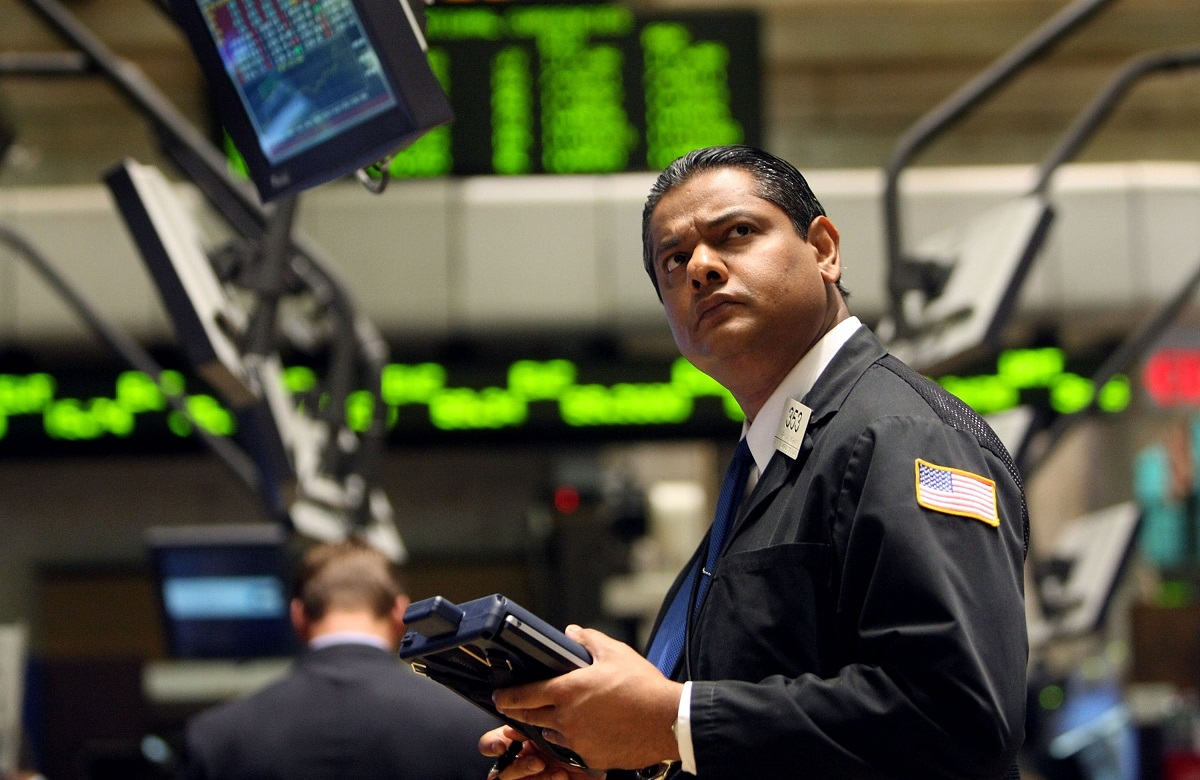
Image source: Getty Images.
Following Araghchi's post, President Donald Trump posted on social media, confirming that the Strait of Hormuz is open but that the U.S. naval blockade previously imposed will remain in effect until the U.S. and Iran reach a deal, which Trump said he believes will happen quickly. Based on Trump's post, the blockade may apply only to Iranian ships, though it was hard to know for sure.
The market ran with the news anyway, with all the major indexes blasting higher. Can the strong market rally last?
Investors shouldn't become too complacent
I think many market strategists and economists would tell you that the market held up better than expected during the Iran war, especially given the underlying issues before the war started.
However, the resilience and recent rally make some sense given that, heading into first-quarter earnings, analysts expected the S&P 500 to collectively grow earnings by more than 16% year over year, a four-year high.
The index has regained all its losses from the Iran war and is up roughly 4% this year.
While investors may be optimistic about progress in the Iran war, they should remember that things can change quickly. Furthermore, there is another conflict that investors need to watch, which is between Israel and Lebanon, specifically between Israel and Hezbollah, an Iranian proxy group that has frequently clashed with Israel.
The ceasefire is only set for 10 days right now, during which time leaders from Israel and Lebanon may meet at the White House to potentially discuss some kind of longer-term deal.
Still, the situation remains fluid, and Iran has previously said that a deal with the U.S. remains dependent on a ceasefire between Israel and Hezbollah. Furthermore, the U.S. Navy is still trying to find and dismantle mines deployed by Iran in the Strait of Hormuz during the war.
There are other broader market concerns investors need to keep an eye out for, including threats from artificial intelligence, private credit, potential further weakness in the labor market, and persistently elevated inflation.
Long-term investors can continue to do nothing with their portfolios and stay the course. But after such a big rally, I don't see a pressing need to add here, particularly if you are just investing in the major indexes.