For over a century, Wall Street has been a stomping ground for wealth creation. Technological advancements, mergers and acquisitions, and competitive advantages have helped power the major stock market indexes to new heights.
But at the heart of Wall Street's current bull market is the "Magnificent Seven," comprised of:
- Nvidia (NVDA +1.30%)
- Alphabet (GOOGL +4.79%)(GOOG +4.94%)
- Apple (AAPL 0.76%)
- Microsoft (MSFT 1.13%)
- Amazon (AMZN +3.23%)
- Meta Platforms (META +2.27%)
- Tesla (TSLA +8.49%)
These are seven of the largest and most influential public companies on the planet, and they're often on the leading edge of game-changing technological innovations.
Image source: Getty Images.
But the outlook for members of the Magnificent Seven can differ greatly. This is where cash flow can be a vital differentiator, helping investors identify bargains and avoid pitfalls.
Ranking the Magnificent Seven based on their future cash flow
While traditional fundamental metrics, such as the price-to-earnings ratio, can be useful when evaluating Magnificent Seven stocks, cash flow is, arguably, the crème-de-la-crème of all criteria. Since members of the Magnificent Seven are constantly reinvesting their operating cash flow into high-growth initiatives, cash flow tends to be the better measure for evaluating relative value in these stocks.
Based on Wall Street's consensus forward-year cash flow per share estimates, here's how the Magnificent Seven rank, from cheapest to priciest:
- Meta Platforms: 10.81 times estimated forward-year cash flow
- Amazon: 11.7
- Microsoft: 15.54
- Alphabet: 17.36
- Nvidia: 18.53
- Apple: 25.59
- Tesla: 84.7

Image source: Getty Images.
Meta and Amazon are screaming bargains, while Tesla's valuation is nightmare fuel
The two members that stand out as clear bargains are social media titan Meta and dual-industry leader Amazon.
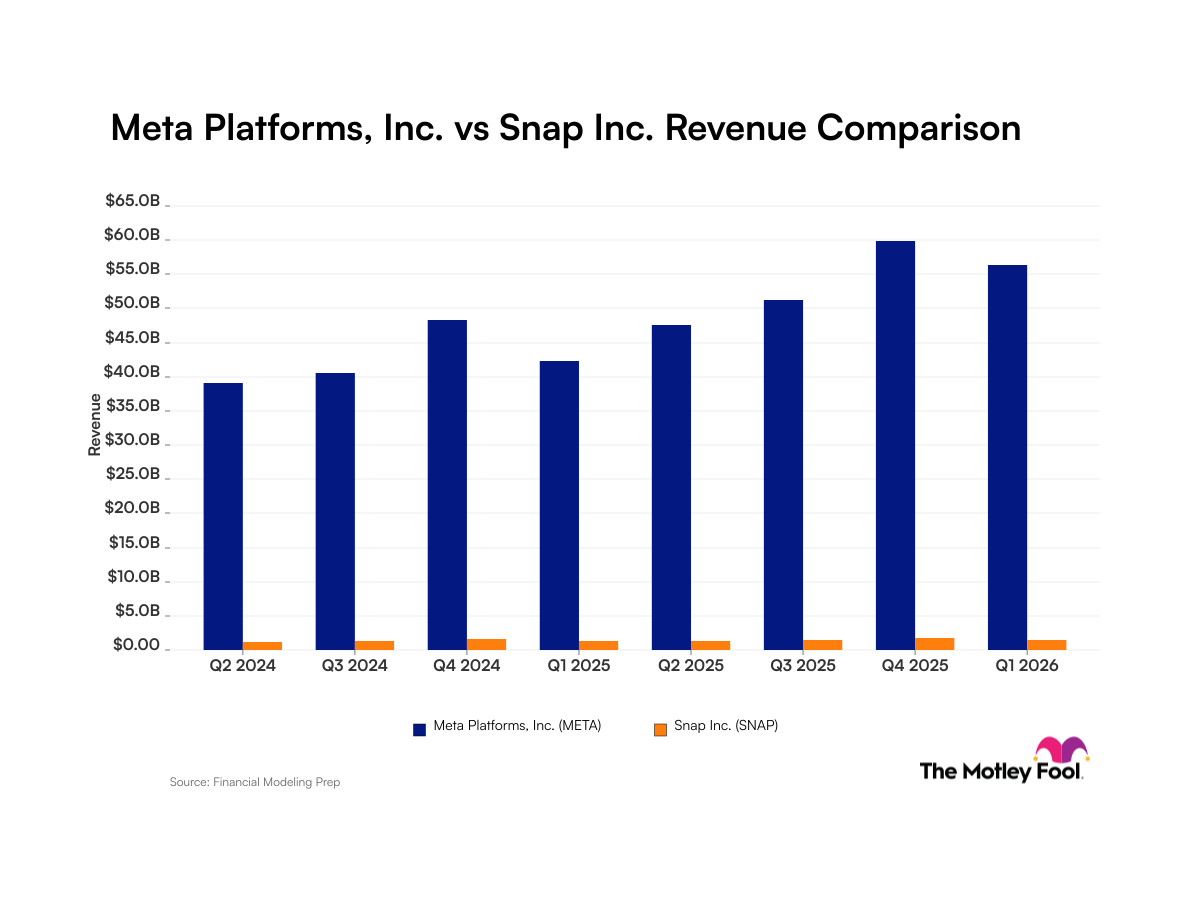
Although Meta is investing a small fortune in artificial intelligence (AI) infrastructure, it's still generating close to 98% of its revenue from advertising. In December, its social media platforms, including Facebook, Instagram, WhatsApp, Threads, and Facebook Messenger, attracted an average of 3.58 billion people to its family of apps daily.
Meta's cyclical ties, exceptional ad pricing power, and ability to lean on AI to make its existing ad platforms more efficient collectively point to its stock being a bargain.

NASDAQ: META
Key Data Points
Amazon looks to be a screaming bargain, as well. While most investors know Amazon has a dominant online marketplace, they might be overlooking its pole position in cloud infrastructure services. Based on total spend, Amazon Web Services (AWS) is the clear No. 1 worldwide. The integration of generative AI solutions and large language model capabilities into AWS reaccelerated its sales growth to 24% in the fourth quarter.
Whereas investors paid a median multiple of 30 times year-end cash flow to own shares of Amazon throughout the 2010s, they can buy shares right now for less than 12 times forward-year cash flow.

NASDAQ: AMZN
Key Data Points
Meanwhile, Tesla's valuation is a struggle to justify. Weaker global demand for electric vehicles (EVs), coupled with reducing the selling price for its EVs several times over the last three years, has constrained Tesla's vehicle margin.
Tesla is trading at a nosebleed premium to its projected cash flow per share in 2027, yet is only expected to grow its sales by 8% this year. Given that several of CEO Elon Musk's promises have failed to come to fruition, there's more than enough reason for investors to avoid Tesla stock.