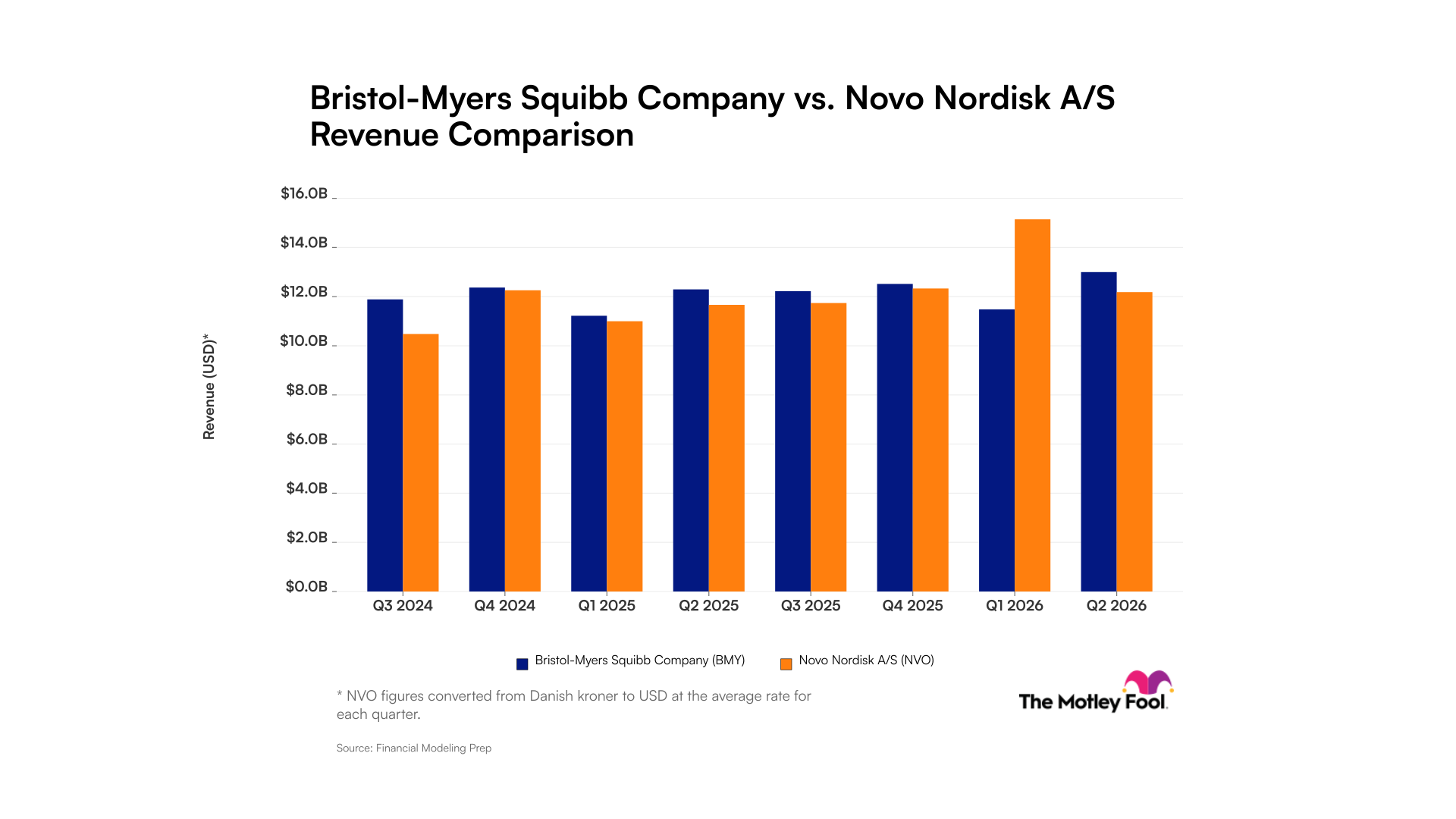
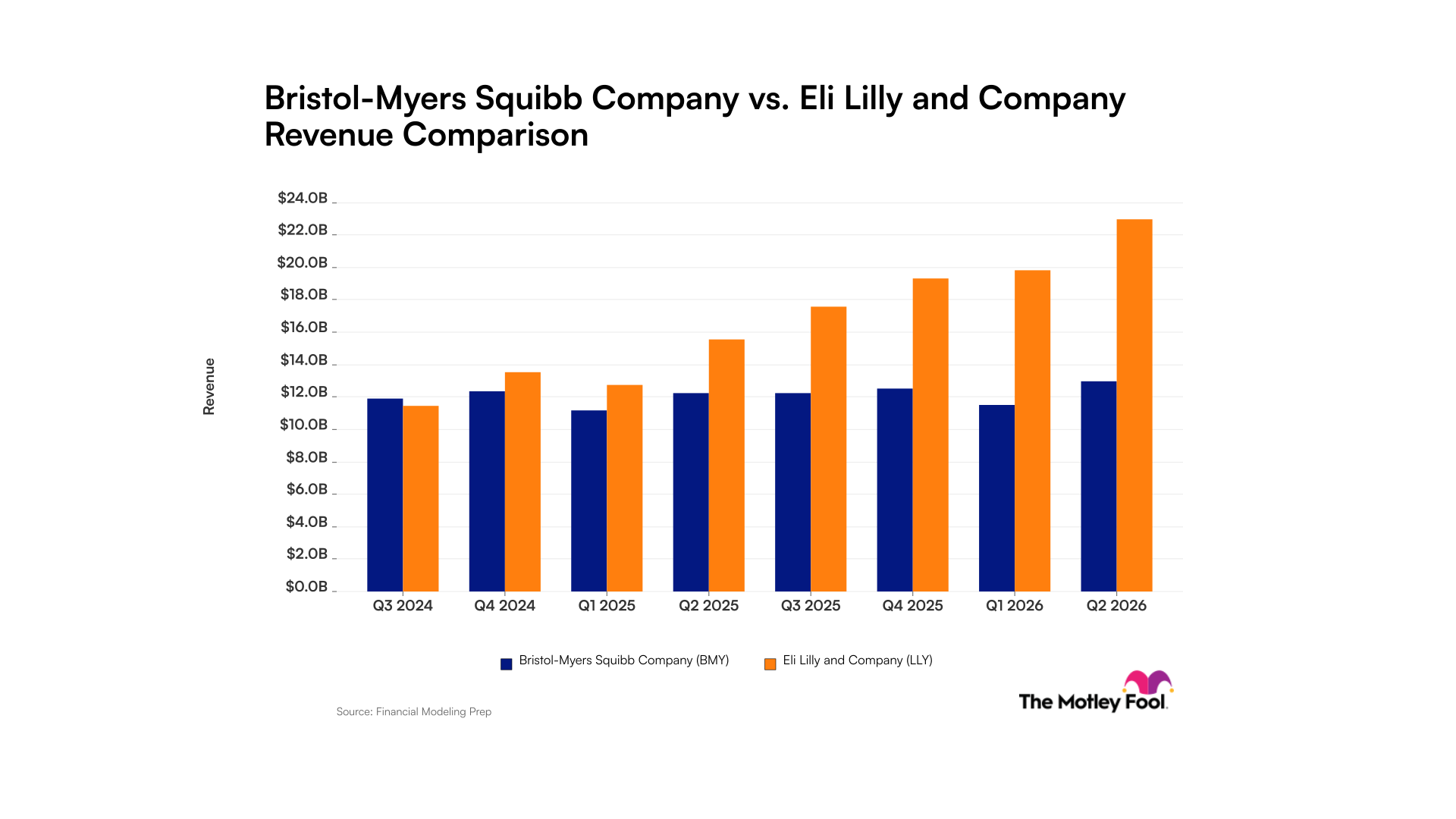
Investors looking to capitalize on the rapidly growing weight-loss market face a difficult choice. Eli Lilly (LLY -1.01%) is the leader in the field, but some will argue that its shares are overvalued. Novo Nordisk (NVO -0.74%) -- the maker of popular drugs like Ozempic and Wegovy -- is second, but it has faced significant clinical setbacks in recent years and expects its revenue to decline in 2026.
Many other drugmakers are working on weight loss medicines. However, some are smaller biotechs that carry significant risk, and even when they are larger, well-established companies, they are still some ways away from making a dent in this space. Fortunately, there is a way to cash in on this market regardless of who wins the weight-loss drug battle: invest in a medical device specialist like Dexcom (DXCM -6.39%).
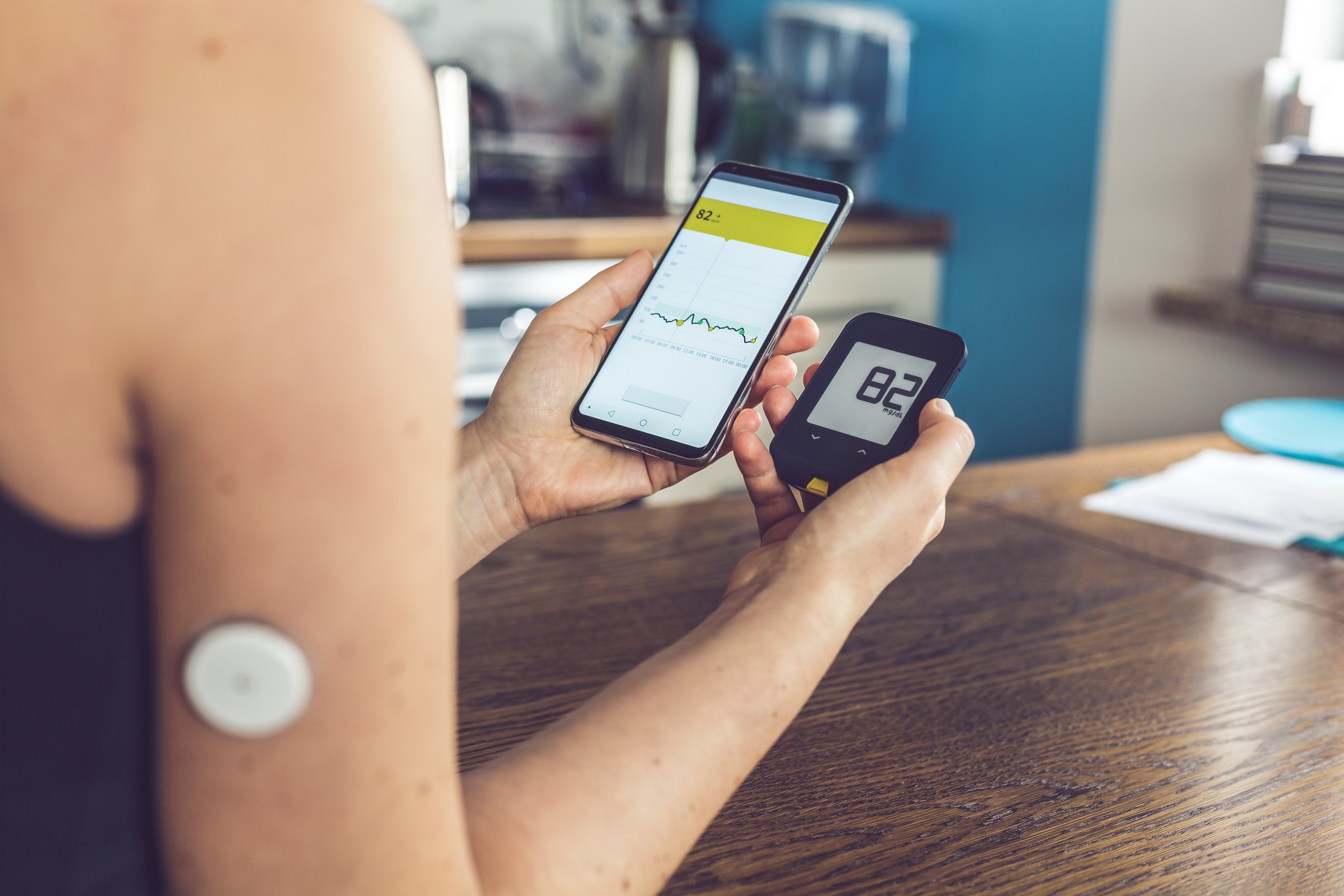
Image source: Getty Images.
Dexcom may benefit from weight loss drugs
Dexcom develops and sells continuous glucose monitoring (CGM) devices that diabetes patients use to track blood sugar levels in real time. When the popularity of GLP-1 weight loss drugs first started going through the roof, some investors thought this would mean trouble for Dexcom's business. After all, GLP-1s help diabetes patients lose weight and lower their blood sugar. With better control over their health, the need to constantly monitor glucose levels would decline, or so the argument went.
However, even with better control over their health thanks to GLP-1s, patients can still benefit from CGM devices. Further, one survey among physicians found that as more people seek obesity treatment, they are often diagnosed with diabetes in the process. If weight-loss drugs lead to the identification of undiagnosed cases of diabetes, they can help expand the CGM addressable market. Dexcom itself has argued that physicians tend to prescribe GLP-1s alongside CGM devices.
As the company's former CEO, Kevin Sayer, said: "The data clearly show that CGM usage grows faster in GLP-1 users than those who are not on therapy."
This suggests that the continued growth of anti-obesity treatments won't harm Dexcom's business; quite the contrary. Dexcom is particularly attractive for investors looking to cash in on this opportunity because it is not competing with other pharmaceutical leaders. Developing medicines in any field is a complex, lengthy process, and most drugmakers currently working on new obesity treatments will fail. Those that will succeed may generate outstanding returns, but it can be tough to pick the winners.
For investors not willing to take the time to do that, Dexcom is an easy choice. No matter who wins, the growing adoption of weight-loss drugs may drive the adoption of CGM technology.
DXCM DexCom
NASDAQ · As of 4:00 PM ET 10/21/26

Plenty of opportunities ahead
Here's more good news for investors considering Dexcom. The CGM market is arguably deeply underpenetrated. According to Dexcom, over nine million patients eligible for third-party coverage in the U.S. aren't using CGM devices. Yet, CGMs are superior to blood glucose meters that can only measure patients' sugar levels at one point in time and rely on pesky, painful fingersticks. Many studies have found improved health outcomes for patients with diabetes who use CGM technology. Dexcom's financial results have improved substantially over the past decade as CGM adoption has grown.
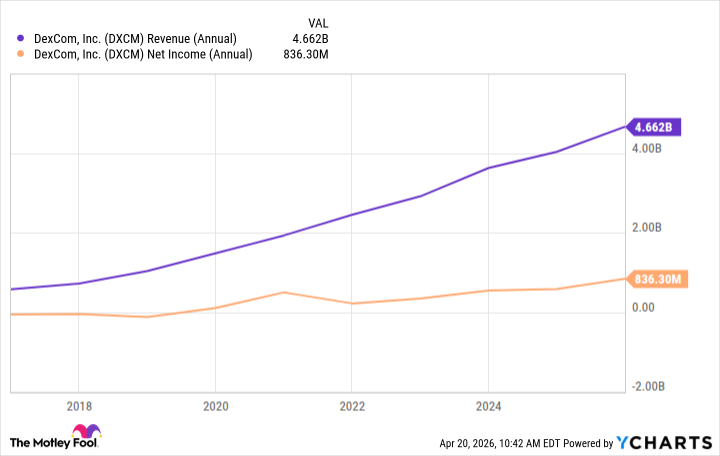
DXCM Revenue (Annual) data by YCharts
Dexcom can still expand its addressable market by entering new territories. And two years ago, the company earned clearance for Stelo, an over-the-counter CGM option that can be used by diabetes patients who aren't on insulin (CGM devices are particularly popular among people with Type 1 diabetes or those with Type 2 who need insulin) and even by those who are prediabetic. Now, could another company steal the show and dominate the CGM market -- knocking Dexcom aside -- as the market expands with GLP-1s?
That's unlikely, in my view. The medical device specialist has built a competitive advantage, since many third-party companies have developed devices compatible with its technology. That includes insulin pump makers, insulin pen manufacturers, etc. As Dexcom's installed base grows, it becomes more attractive for other companies to adapt to its technology, which attracts even more patients to its ecosystem -- a nice example of the network effect. In short, Dexcom is well-positioned to capitalize on the growth of the CGM market over the next decade and deliver strong returns, given the vast addressable opportunity and its competitive moat.