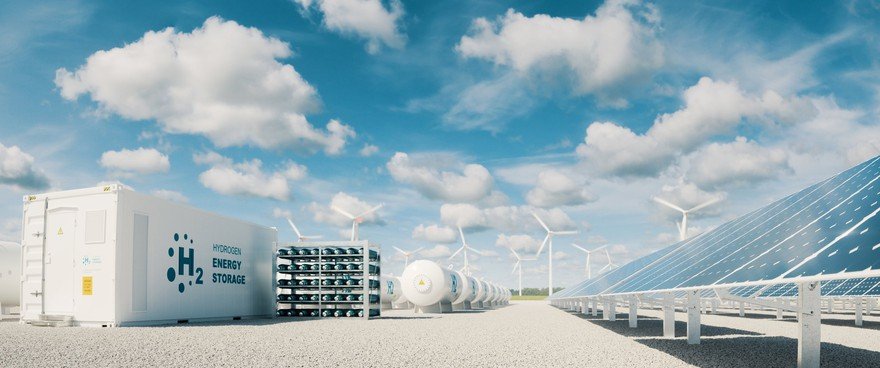
Plug Power (PLUG -2.89%) is a firm believer in a hydrogen-powered future. It created the first viable commercial market for hydrogen fuel cell technology and has deployed more than 72,000 fuel cells and over 275 fueling stations. It's investing heavily to build a leading end-to-end green hydrogen ecosystem.
While Plug Power has great promise, my problem with the company is its inability to turn a profit. It currently doesn't expect to start making money until 2028. That's why I think investors should forget about investing in Plug Power and consider the already profitable Bloom Energy (BE +2.81%).
Image source: The Motley Fool.
Plug is still deep in the red, while Bloom's earnings are growing
Plug Power generated over $700 million in revenue last year. While that was up from $628 million in 2024, it was down from $891 million in 2023. Meanwhile, Plug's operations are losing money and burning through cash. The company posted a loss of more than $1.6 billion last year, up from nearly $1.4 billion in 2023. It used $536 million in cash from operations last year, requiring it to issue stock to bridge the gap, diluting existing investors and weighing on the share price.
Plug Power expects to steadily reach profitability over the next few years. It aims to achieve positive earnings before interest, taxes, depreciation, and amortization (EBITDA) in the fourth quarter of this year, positive operating earnings by the end of 2027, and overall profitability by 2028.

NASDAQ: PLUG
Key Data Points
While Plug Power is still years away from reaching profitability, Bloom Energy is already there. It generated $2 billion in revenue last year (up 37%) while reporting $72.8 million in operating income. Bloom also generated $113.9 million in operating cash flow last year, its second straight year of positive free cash flow.
Bloom's focus is paying off
One reason Plug Power continues to lose money is its grand ambitions to build end-to-end green hydrogen businesses across the U.S. and Europe. It's building hydrogen production capacity, electrolyzers to produce hydrogen, and fuel cells. Its broad strategy gives it multiple ways to win as the hydrogen market grows. However, it's an expensive plan to execute.
The company has started streamlining its strategy over the past year. For example, it monetized its electricity rights (which it secured to support green hydrogen production) in New York and another location to strengthen its balance sheet. It also partnered with a data center developer to explore providing auxiliary and back-up power solutions using Plug's advanced fuel cell technology.

NYSE: BE
Key Data Points
While Plug is in the early stages of exploring the potential of using its fuel cells to power data centers, Bloom Energy has emerged as a leader in that space. For example, last fall, Brookfield Asset Management formed a strategic AI partnership with Bloom Energy. As part of the deal, Brookfield will invest up to $5 billion to deploy Bloom's advanced fuel cell technology in data centers. They're also collaborating on the design and delivery of AI factories (specialized AI data centers) worldwide. Additionally, Bloom recently expanded its strategic partnership with Oracle to deploy up to 2.8 GW of its fuel cell systems in data centers. With these and other deals, Bloom now has a sales backlog of about $20 billion, supporting its continued growth and profitability.
Bloom is already where Plug wants to go
Plug Power wants to eventually become a profitable clean energy leader. However, it still has a long way to go before it achieves that goal. Bloom Energy, on the other hand, is already profitable. It has also emerged as a leader in providing clean power solutions to data centers, a market Plug wants to tap into. Those features make Bloom Energy the better energy stock to buy to ride the clean energy transition.