Oklo (OKLO +5.52%) had a run for the ages in 2025, with a 238% gain that topped the broader market and most nuclear energy exchange-traded funds (ETFs).
This year, however, has been a different story.
Last year's market darling has fallen 15% in the last three months and is roughly flat for 2026. Indeed, investors seem to be taking a closer look at where the nuclear stock is right now, versus the promises that had amplified its momentous gains.
For investors who missed last year's rally, the recent pause might entice you to buy the dip. Before jumping in, however, it's worth asking if the pullback has actually made Oklo cheap, or if it has made a risky stock look more tempting.
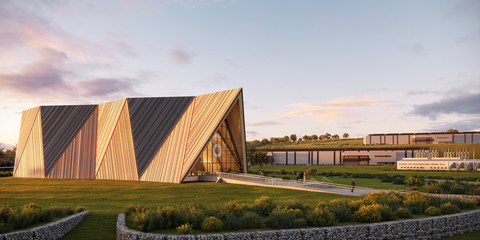
Image source: Oklo.
Fuel supply, reactor costs, and other big unknowns
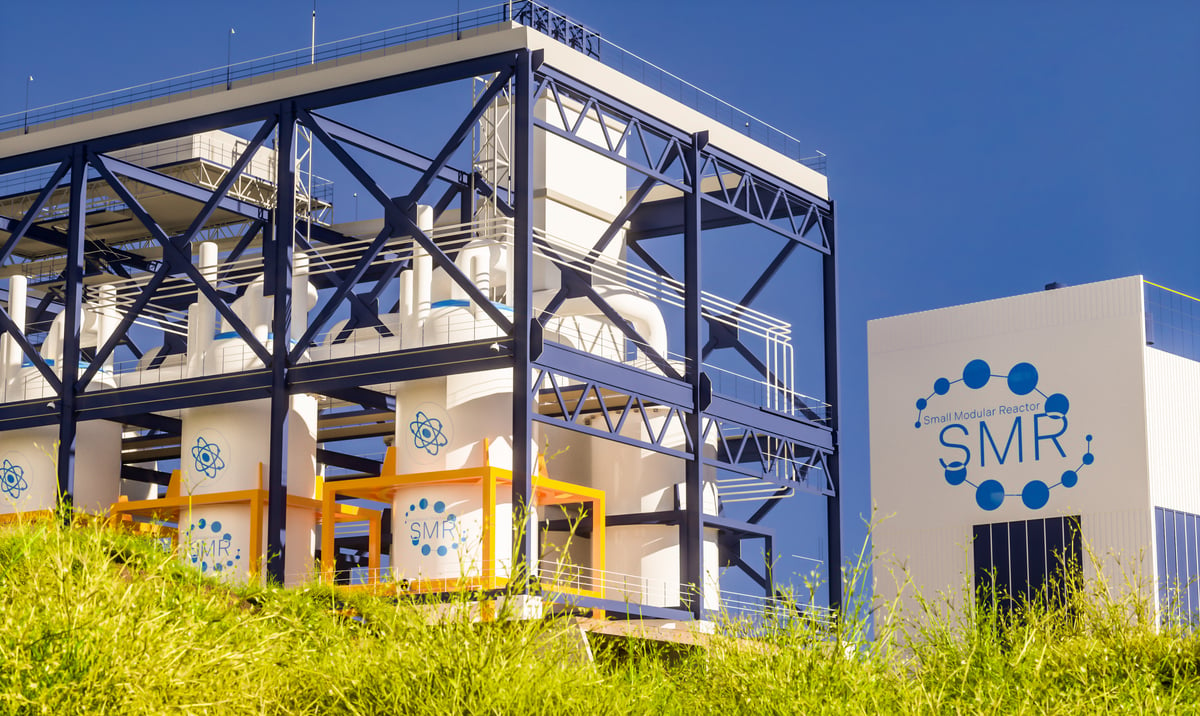
Oklo is designing small fast-spectrum reactors -- called Aurora powerhouses -- for on-site power generation. Its reactors are designed to be built and deployed close to wherever customers need power, which could make them useful for data centers, industrial sites, mining camps, military zones, and other remote areas.

NYSE: OKLO
Key Data Points
Oklo's reactor design has amassed partnerships and endorsements that have lent it credibility. Most recently, it partnered with Meta Platforms to collaborate on a 1.2 gigawatt (GW) nuclear energy campus in Ohio, which could entail deploying a dozen or so reactors. Oklo also has ties to the White House, which has given it strong tailwinds as the Trump administration continues to push for more advanced nuclear energy.
However, Oklo doesn't have a nuclear reactor design that's been approved by the Nuclear Regulatory Commission (NRC). As such, it doesn't have an Aurora powerhouse up and running, and it likely won't have one built until late 2027 or 2028.
Which brings us to this: We're essentially looking at two more years of speculation. That is, two years of talking about Oklo in hypothetical and conditional terms (it could do this, it might do that). We'll have very few first-hand observations of what deployment of its first reactors actually entails. That not only leaves a lot of room for execution risk, but it could also make its stock extremely volatile as it hammers out a process.
For example, one might press hard on the Meta collaboration with the question: How exactly will Oklo get the nuclear fuel to power a dozen or so reactors?
Its Aurora powerhouses are designed to run on high-assay low-enriched uranium (HALEU), a specialized fuel that the U.S. does not have in large supply. Indeed, in 2025, the only supplier of HALEU in the U.S.-- Centrus Energy -- delivered about 0.9 metric tons to the Department of Energy. Considering that Oklo is using 5 metric tons of HALEU to power its first Aurora powerhouse, Centrus' total 2025 delivery would power roughly one-fifth of a reactor.
True, Centrus' supply of HALEU could accelerate by 2028, and Oklo is also using recycled nuclear fuel from a planned recycling facility in Tennessee to power reactors. This facility, however, likely won't produce fuel for powerhouses until the early 2030s, leaving a two-year gap between the (planned) commercialization of Aurora and a supply of recycled fuel.
Don't get me wrong; I like Oklo's long-term potential. But it's definitely one of those stocks where the closer you look, the more its risks and unknowns multiply. It will likely experience intense volatility in the near term. In short, this sell-off likely won't be its last.