Nearly a month after President Trump announced a ceasefire with Iran, tensions are heating up in the region again.
The United Arab Emirates said it was facing an attack from Iranian missiles and drones on Tuesday, one day after the two sides exchanged fire as the U.S. attempted to reopen the Strait of Hormuz. The U.S. said it had destroyed six Iranian small boats, but nonetheless said that the ceasefire was holding.
A barrel of Brent Crude oil jumped 6%, but gave back some of those gains today, hovering around $110, as the U.S. defended the ceasefire, signaling that it doesn't intend to reignite the war and is still looking to "make a deal."
While oil prices remain near the highest they've been since the war broke out, the S&P 500 was on track to close at another all-time high on Tuesday, up 0.8% to 7,260 in afternoon trading.
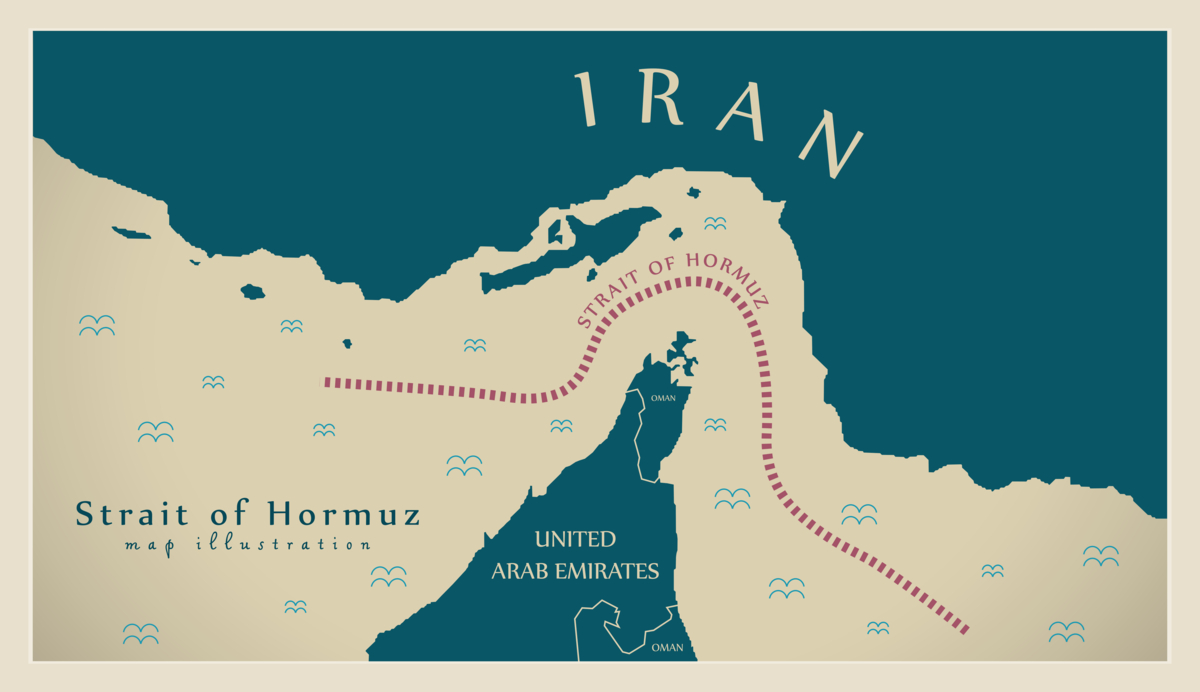
Image source: Getty Images.
Iran takes a back seat
Iran news dominated the stock market in March, but stocks rebounded in April after the ceasefire was announced, even as tensions remained over the Strait of Hormuz amid the U.S. blockade.
However, with today's gains, investors continue to signal that they believe the war is effectively contained and that the worst-case scenarios are off the table.
Even the earlier concerns about an energy crisis seemed to have faded, despite both countries keeping the Strait closed, and investors have latched on to other narratives, including that the AI boom remains alive and well.
For example, the iShares MSCI South Korea ETF (EWY +0.11%) just hit an all-time high, gaining 7% on positive news from Samsung, its biggest component, which is benefiting from a boom in the memory chip market. The stock gained on reports that Apple is considering using Samsung and Intel to manufacture chips in order to diversify away from TSMC.
Meanwhile, earnings season is in full swing, and the investor response to corporate earnings has been mixed. The general message from the top U.S. companies is that the economy remains resilient, and revenue and profits continue to grow.

NYSEMKT: EWY
Key Data Points
Is the Iran war risk over?
With a barrel of Brent Crude still trading above $100, it's too soon to say the risk from the war is over, but the example of the EWY South Korean ETF is notable because a majority of the oil South Korea uses comes from the Strait of Hormuz. The ETF had fallen more than 20% at one point during the war due to its exposure to oil prices, but continues to soar now even as oil prices remain elevated.
If the ceasefire ends and full-on attacks begin, we're likely to see markets react, but without a major escalation, markets look poised to remain on a glide path to more gains as long as the AI trade remains hot.