Rivian Automotive's (RIVN -4.61%) strategy for success was never solely about retail electric vehicle (EV) sales. Early in its development, the company announced a deal with e-commerce giant Amazon to deliver 100,000 commercial electric delivery vans by the end of the decade.
More than 30,000 are now in service, and Rivian is now growing its fleet business through a new agreement with Uber Technologies (UBER -1.29%). But there's a twist with the Uber business, and it could have big ramifications for Rivian and its stock.

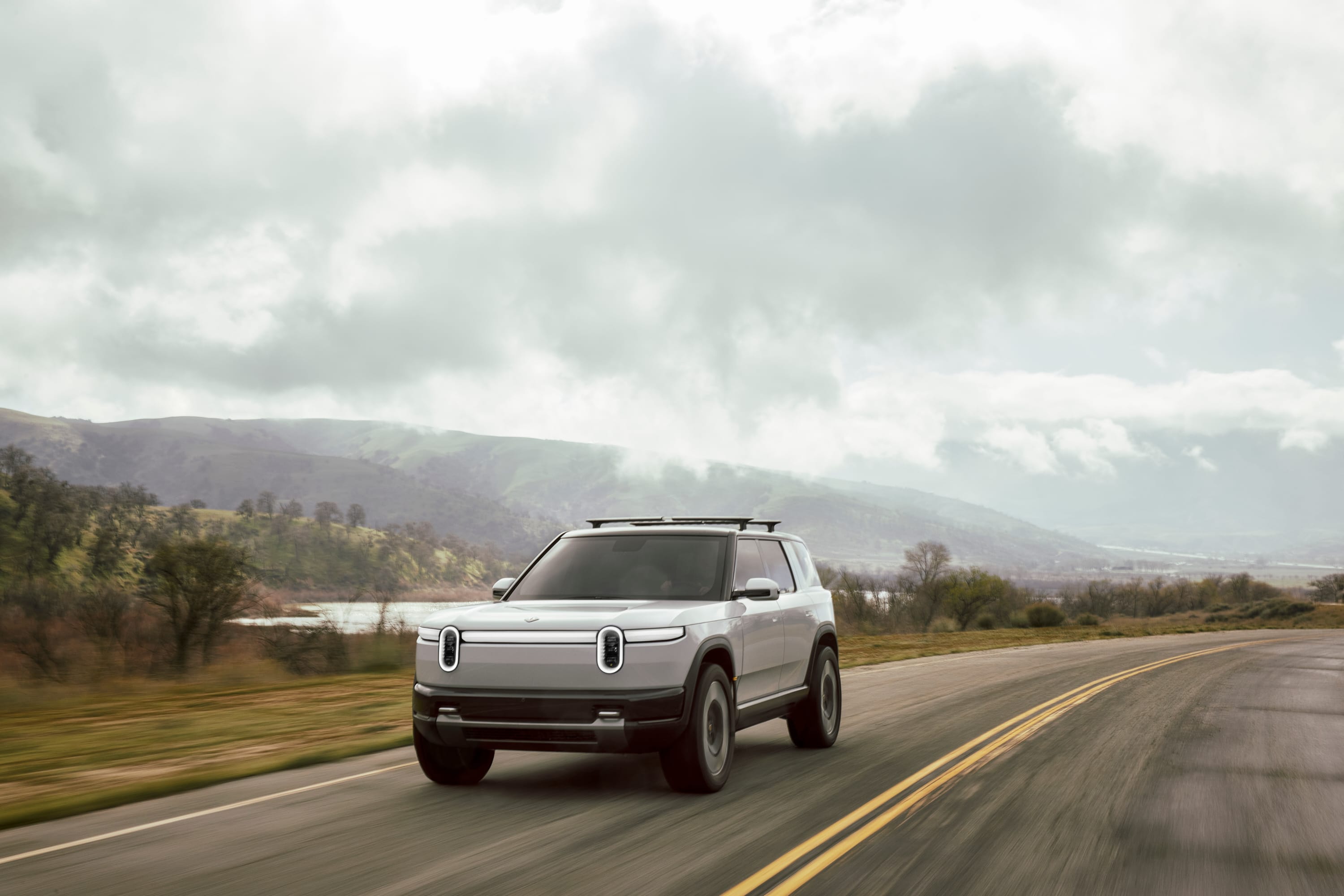
Image source: Rivian Automotive.
Focus on technology
Rivian and Uber announced a new partnership last month that is expected to bring more than $1 billion of new capital to Rivian and a fleet of electric vehicles to Uber. Rather than commercial vans like Amazon, this fleet business will use Rivian's new R2 SUV, which just began customer production. Uber ordered 10,000 new R2 SUVs for delivery in 2028 and plans to purchase 40,000 more in 2030.
These will be fully autonomous R2 EVs, though, and that's what makes this deal a game changer for both Rivian and Uber. The deal with Uber highlights Rivian's push into self-driving technology. Late last year, Rivian held its first "Autonomy and AI Day," during which it revealed an in-house autonomy processor. Uber's investment could bring up to $1.25 billion in capital to Rivian over the next five years, but it's the underlying technology that investors will be paying most attention to. Uber will help highlight that as it did today. In its earnings release today, Uber CFO Balaji Krishnamurthy stated,
From this position of strength, we're investing with conviction in the significant opportunities ahead, while taking a capital-efficient approach to AVs [autonomous vehicles] and embracing AI to drive growth and productivity.
The investment in Rivian and its AI technology will be at the core of this drive toward autonomy.
Direct challenge to Tesla
Rivian's internally developed artificial intelligence (AI) processors will form the foundation of the company's autonomy platform. The advanced driver-assistance system is designed to enhance over time by utilizing data collected from Rivian's fleet of deployed vehicles.
By later this year, the R2 vehicles featuring Rivian's third-generation platform will be equipped with cameras, a robust radar array, and a front-facing long-range lidar. The foundation of Rivian's autonomy will be with these retail customer R2 sales.
Subsequently, Uber will help roll out that technology, beginning with its 10,000-vehicle delivery fleet in 2028, and that should catch investors' eyes. Rivian's stock price will likely move in response to how this partnership evolves as Uber R2 robotaxis roll out.
RIVN Rivian Automotive
NASDAQ · As of 4:00 PM ET 10/16/26

It's no secret that investors are valuing EV leader Tesla mainly on its AI and autonomy potential. Tesla and Alphabet's Waymo are the robotaxi makers investors have been focusing on. Investors shouldn't count out Rivian and Uber, though.
In the short term, updates on R2 demand and retail sales will drive Rivian's share price. Assuming the rollout goes well, the next stage of Rivian's growth could come from feedback on Uber's R2 robotaxi fleet. Positive feedback could drive Rivian's share price meaningfully higher. That's the bet investors are making today when they buy Rivian shares.