When screening for high dividend-yielding stocks, Energy Transfer (ET +0.79%) comes up. After all, the shares yield 6.7%, which puts it near the top of most lists.
That's a particularly attractive yield compared to the overall stock market. It's 6 times the S&P 500 index's 1.1% yield.
But investing in dividend stocks isn't that simple, of course. If it were, you could just buy the highest dividend-yielding stocks.
It takes more work to better understand the company, including examining its fundamentals to determine whether it can afford the current dividends.

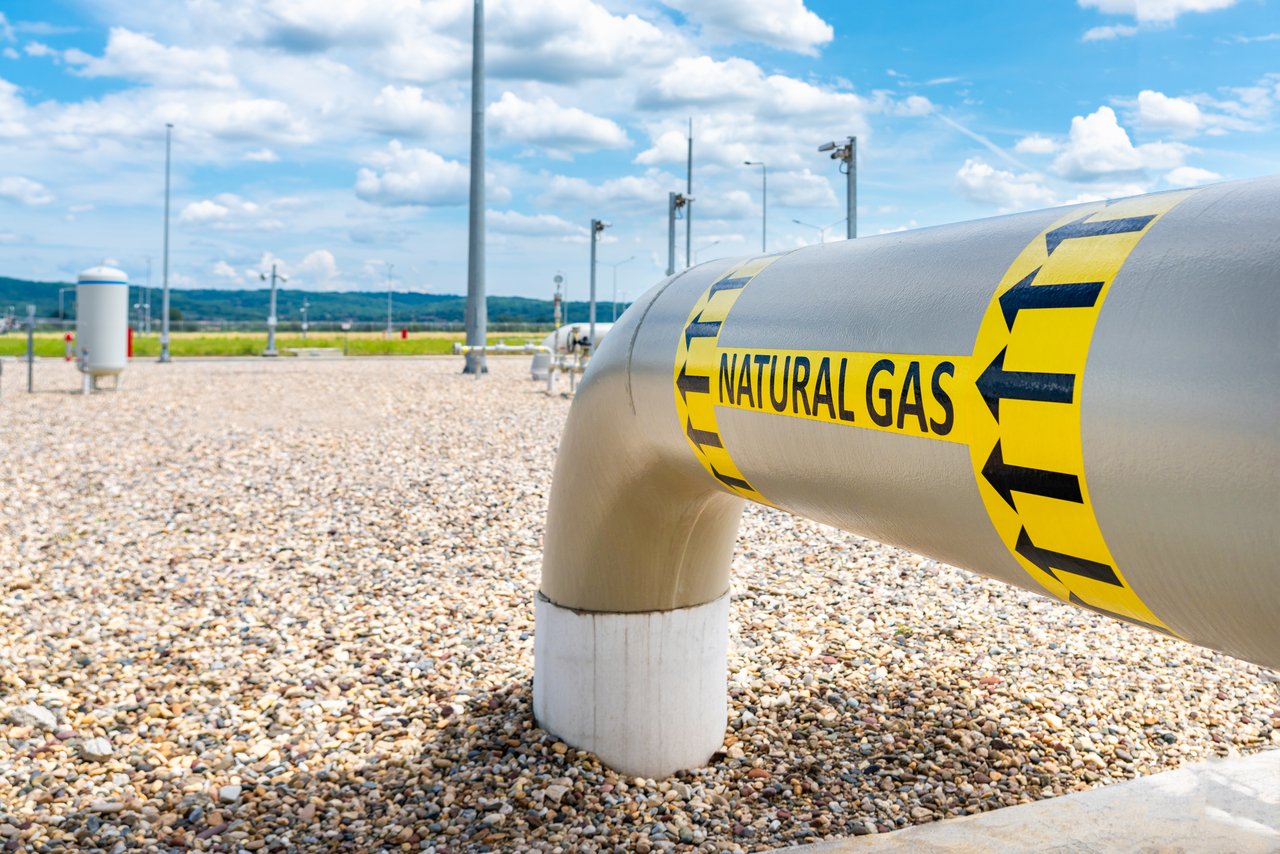
Image source: Getty Images.
History lesson
Before taking a look ahead to see about future payouts, it's worthwhile to take a step back. Energy Transfer has a bit of a checkered history when it comes to dividends. It slashed its quarterly payout in half, to $0.1525 a share, back in 2020. Energy Transfer cited the need to conserve cash, particularly in light of a downturn caused by COVID-19 and a high debt burden.
However, starting in 2021, the board of directors raised dividends regularly. In fact, Energy Transfer has raised the payment quarterly, including April's announcement that it would boost the dividend from $0.335 to $0.3375.
The company currently pays $1.35 per year, and investors have gotten used to regular increases over the last few years. It's time to look to see if Energy Transfer can afford to continue raising payouts.
Can it afford to raise dividends?
Energy Transfer's current results have been very good in the wake of market conditions caused by the Iran war. That caused disruptions in crude oil, causing U.S. energy companies to increase exports. That helps Energy Transfer's results since it transports and stores energy like oil, natural gas, and natural gas liquids (NGLs).
It set various company volume records in the recently reported first quarter. For instance, crude oil transportation volume grew 8% year over year.
This has translated into healthy cash flow. Q1 adjusted distributable cash flow grew to $2.7 billion, a 16.9% year-over-year increase. Distributable cash flow provides a useful metric about whether Energy Transfer can afford dividends since it's net income adjusted for certain non-cash items (e.g., depreciation, depletion, and amortization) minus distributions to preferred stockholders and maintenance capital expenditures.
ET Energy Transfer
TXSE · As of 12:06 PM ET 10/26/26
Fortunately, the $2.7 billion in distributable cash flow provides more than enough to cover the $1.2 billion in dividends. What does the company plan to do with this excess cash flow? Invest in pipeline projects to fuel growth. It's positive that the company has enough to pay dividends and invest in the future.
Future dividends
Given the favorable climate and cash flow, it seems like a good bet that Energy Transfer will continue raising dividends, at least in the near term. Still, it'd be nice if the company had a longer record of increasing payouts, or even keeping them stable, during difficult times.
Encouragingly, management has made the balance sheet healthier over the years. It had $69.3 billion in long-term debt as of March 31, or a 67% debt-to-total capital ratio. At the end of 2020, Energy Transfer's long-term debt totaled $51.4 billion, which equated to a 74% debt-to-total capital ratio.
That should provide investors with a degree of comfort since the higher debt burden was one of the reasons management and the board of directors cut dividends.
Still, while the short-term outlook looks promising, investors should note that results can fluctuate. However, given its focus on fee-based revenue, it's much less reliant on oil and gas prices than energy and production (i.e., upstream) companies. Hence, it produces steadier cash flow to support distributions.
For those interested in regular dividend increases and high dividend yields, Energy Transfer seems to fit the bill. However, given its dividend history, I'd monitor the situation closely to see if conditions warrant sticking around.