Transition day at Wall Street's foremost financial institution is nearly here. Friday, May 15, marks the final day of Jerome Powell's second term as Fed chair, and the presumed start of Kevin Warsh's first term as head of the Fed.
But it may also signal the dawn of a new era for Wall Street and the Dow Jones Industrial Average (^DJI +1.08%), S&P 500 (^GSPC +0.33%), and Nasdaq Composite (^IXIC +0.08%). A Warsh-led Fed will almost certainly lead to changes, first and foremost of which may be how investors think about inflation.
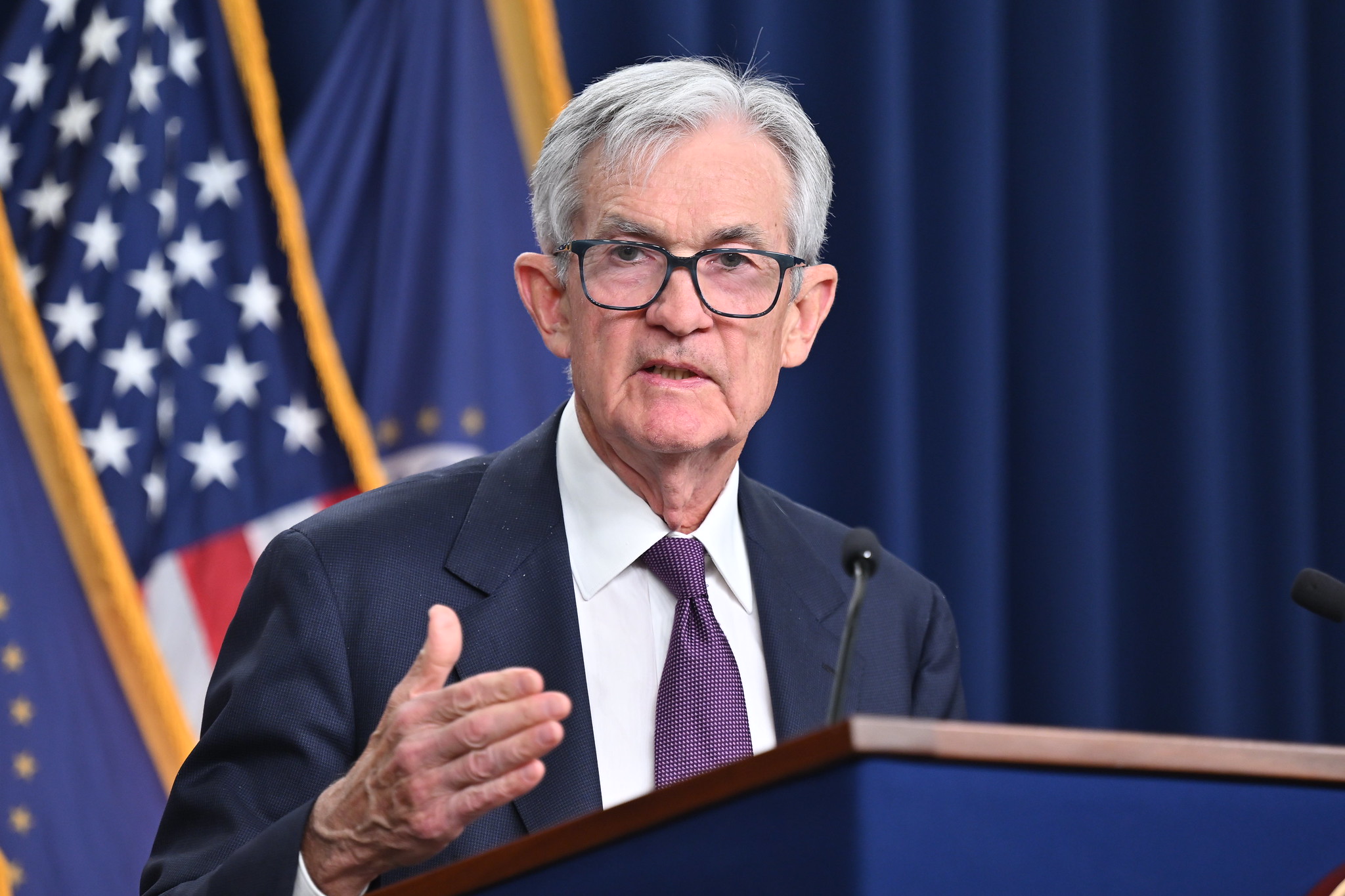
Jerome Powell's final day as Fed chair is May 15. Image source: Official Federal Reserve Photo.
Trump's Fed chair nominee wants to change the narrative on inflation
In January 2012, the Federal Open Market Committee (FOMC) -- the 12-person body responsible for setting the nation's monetary policy -- formally adopted a long-term inflation target of 2%. This arbitrary line in the sand has served as a measure of success or failure for the FOMC's efforts.
President Donald Trump's Fed chair nominee wants to toss this 14-year milestone out the window and completely reshape how investors (and consumers) think about inflation. During his 2.5-hour testimony in front of the Senate Banking Committee on April 21, Kevin Warsh opined on what "inflation" is in his eyes:
I believe that price stability should be a change in prices such that no one's talking about it.
Though the FOMC's long-term 2% inflation target has been criticized as dated and in need of refreshing in light of fiscal policy changes and the arrival of game-changing technologies, such as artificial intelligence, Warsh's narrative change on inflation is highly subjective. It introduces a degree of uncertainty about inflation that hasn't existed in more than a decade -- and that's potentially terrible news for Wall Street.

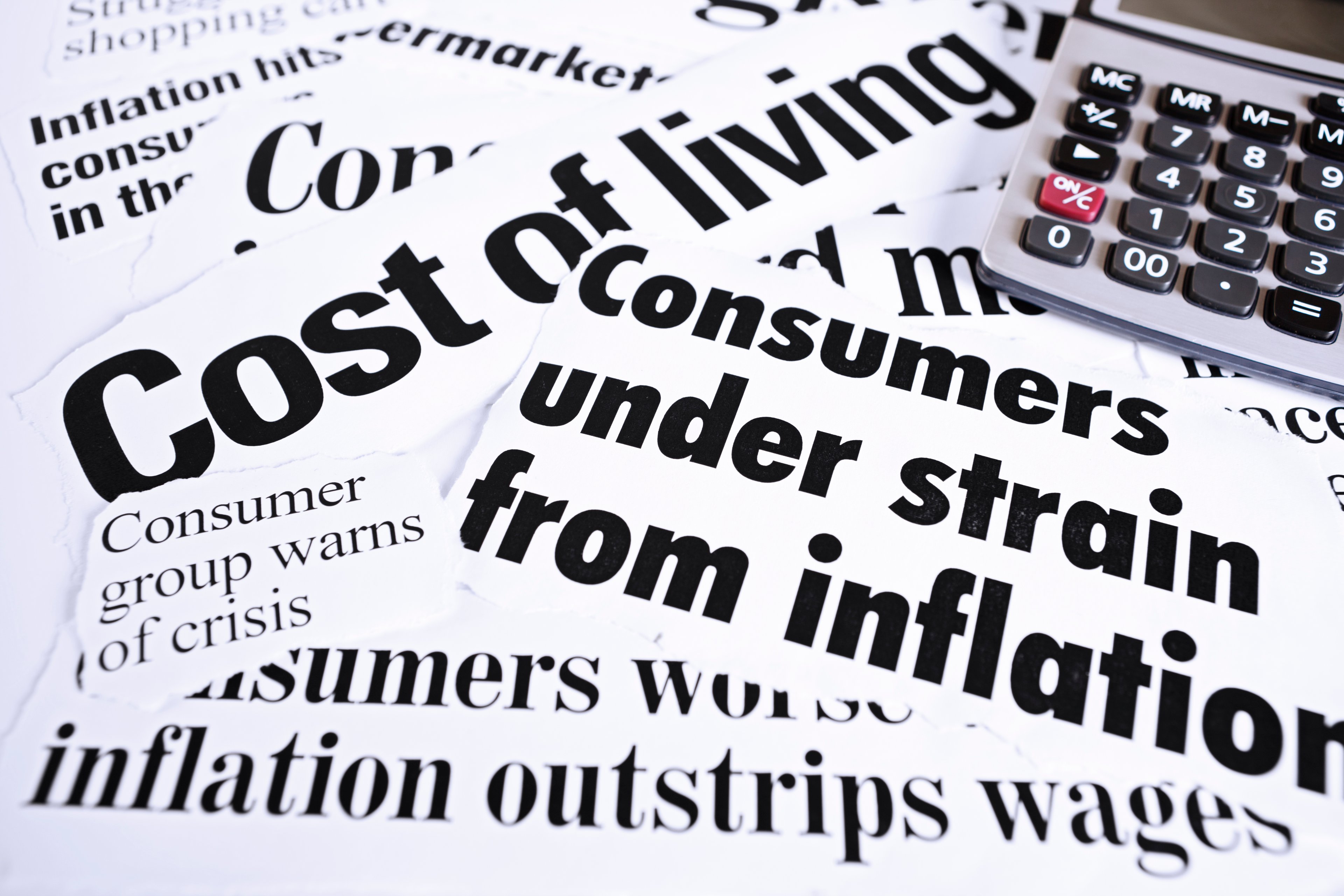
Image source: Getty Images.
Most people are talking about inflationary pressures
Kevin Warsh's relatively vague definition of inflation opens the door for the FOMC to alter its monetary policy stance without being confined to rigid guidelines -- and with most Americans openly talking about inflation at the moment, change may be a foregone conclusion.
Since the Iran war began on Feb. 28, gas prices have risen at their fastest pace in over 30 years. According to data from AAA, gas prices are $0.45/gallon below their all-time high. There's no way to sweep price changes of this magnitude under the rug.
⛽ Average U.S. gas prices per gallon on May 6, per AAA:
-- NBC News (@NBCNews) May 6, 2026
• Regular: $4.54 (⬆️ $1.56 since war in Iran began on Feb. 28)
• Premium: $5.39 (⬆️ $1.85 since war began)
• Diesel: $5.67 (⬆️ $1.81 since war began)
Worse yet, the inflationary effects on businesses often lag by a few months. Higher transportation and production costs threaten to further pressure the inflation rate.
When Warsh was previously a member of the Board of Governors of the Federal Reserve (Feb. 24, 2006 – March 31, 2011), his voting record and commentary leaned decisively hawkish. Even as the unemployment rate surged during the height of the financial crisis, Warsh favored higher interest rates to prevent inflationary pressures from mounting.
While the past can't guarantee the future, Warsh is going to have a hard time ignoring the rapid price increases driven by the Iran war. An FOMC policy stance change and/or the growing prospect of rate hikes are worrisome developments for a historically expensive stock market that's been fueled by relatively low borrowing costs.