The market was pretty down on Nvidia (NVDA +1.30%) earlier this year, and it dipped back below the $5 trillion market-cap threshold. Smart investors saw the opportunity in March, and Nvidia is back to hitting new highs.
It's up 18% year to date, trouncing the S&P 500, and it has a record $5.36 trillion value. Is it too late to buy?
Why everything is about Nvidia
Nvidia was hardly a household name over its many decades of operation, mostly selling graphics processing units (GPUs) to power gaming. But it was well positioned to drive artificial intelligence (AI) development when the generative kind took off a few years ago. And having honed its technology to create and refine the GPU, it has become arguably the most important piece of AI development.
The GPU is the building block for the most powerful AI right now, but the company hasn't let the growth opportunity pass it by, and it has rapidly launched new, related products that keep it at the forefront of AI. Invariably, if there are updates about the technology, they include the chipmaker.
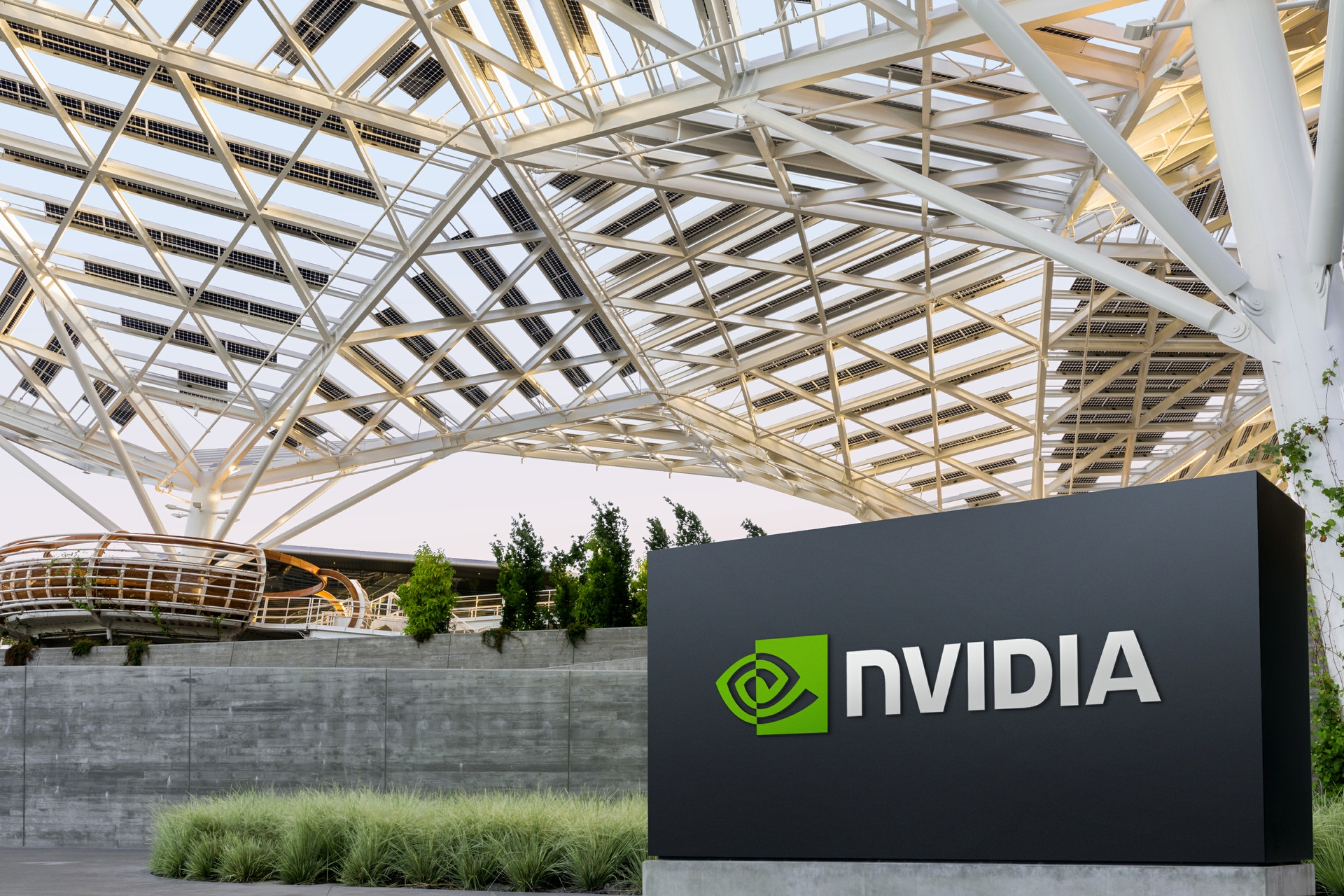
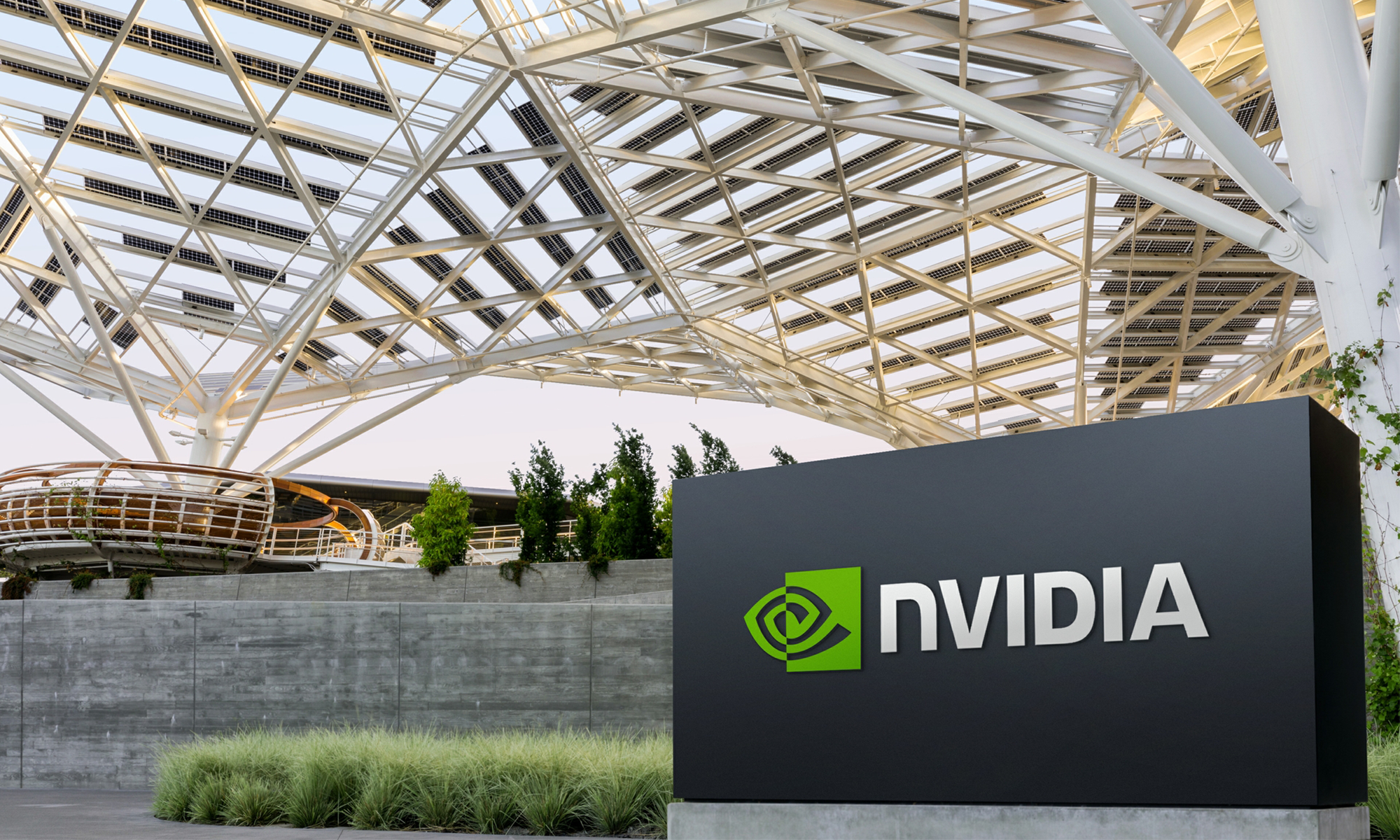
Nvidia headquarters. Image source: Nvidia.
Its core business is still GPUs, and it has launched new, more powerful GPU architectures annually for several years. Its newest line is called Vera Rubin, and CEO Jensen Huang said that he expects "every cloud model builder to deploy Vera Rubin."
But it has much more sophisticated products coming out to power data centers and data factories, with complete frameworks that have incredible processing power. The Rubin platform itself features the Vera CPU (central processing unit), Rubin GPU, and several other pieces, and it can train models using fewer GPUs, as well as sharply reduce inference costs compared to the Blackwell platform.
This strengthens the company's moat, since clients are becoming increasingly invested in Nvidia's equipment.
An update is coming next week
When the stock fell in March, the market had been worried about hyperscaler overspending. The largest AI developers, like Amazon and Alphabet, had announced capital expenditure expectations for 2026 in the range of hundreds of billions of dollars, and the market had a hard time stomaching that kind of spending without seeing instant results. That led to sinking confidence in Nvidia's chances to keep growing at high or accelerated rates.

NASDAQ: NVDA
Key Data Points
Since then, these companies have reported solid first-quarter earnings that have assuaged the market's fears. Investors' hopes were also buoyed by Huang's assertion, at the company's 2026 GTC conference, that he sees a $1 trillion opportunity in sales through 2027 from the Blackwell and Rubin chip lines alone. That doesn't include the company's older chips and other products.
On May 20, Nvidia reports 2027 first-quarter earnings for the period that ended April 26. Wall Street is looking for a 79% sales increase over last year, and earnings per share of $1.78, up from $0.81 last year. The company tends to beat forecasts across the board, and with its clients' new and higher spending, it could be a blowout quarter.
So no, I don't think it's too late to buy Nvidia. However, as the stock rises in anticipation of the report, some of the near-term gains could already be baked into the price.