The big news in the GLP-1 weight loss drug space right now is the introduction of pills. That seems to have broadened the appeal of GLP-1s, as many consumers simply don't like to take shots. Eli Lilly (LLY +1.53%) just introduced its own pill, trailing slightly behind competitor Novo Nordisk (NVO +0.58%). But the long-term story for Eli Lilly is likely to be about its next-generation GLP-1 drug. Here's why and what it means for investors.
The big GLP-1 story
Eli Lilly generates nearly 65% of its revenues from just two drugs, Mounjaro and Zepbound. These are both GLP-1 weight loss drugs delivered by injection. It is an understatement to suggest that GLP-1 drugs are important to Eli Lilly's business; they are integral. Which is why the company is competing so intensely with rival Novo Nordisk.

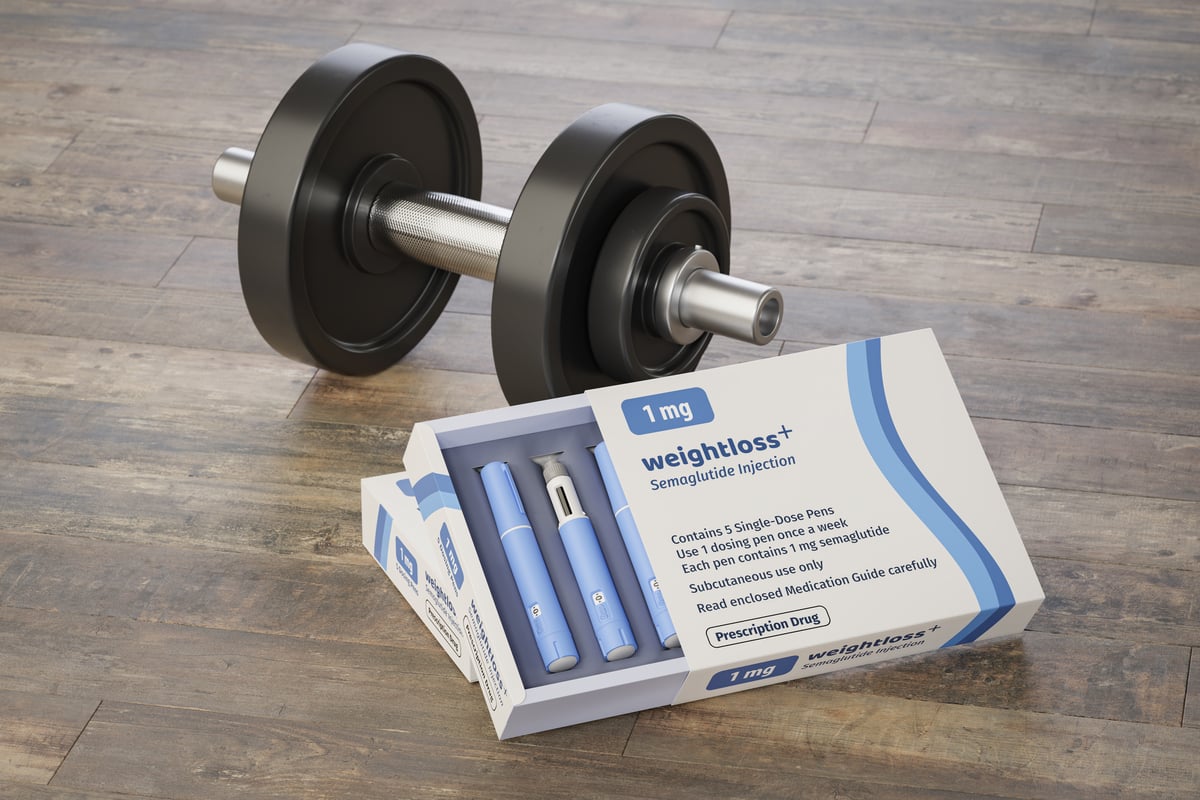
Image source: Getty Images.
The biggest financial story right now is that Novo Nordisk's GLP-1 pill, launched at the start of 2026, appears to be more effective than Eli Lilly's GLP-1 pill, introduced shortly afterward. Worse, Eli Lilly's pill is a different medicine than its shots, while Novo Nordisk's is the same. That suggests that the market acceptance of Eli Lilly's GLP-1 pill could take longer, if it happens at all.
Nothing to look at now, but maybe soon
This is where Eli Lilly's next-stage GLP-1 drug, Retatrutide, comes in. The drug is still in development, but early results indicate it could be more effective than any current GLP-1 option on the market. Some trial patients lost 30% or more of their weight, which is in the same range as that achieved with bariatric surgery. That could take GLP-1 drugs to the next level.

NYSE: LLY
Key Data Points
The only problem is that the drug is still being tested. So investors shouldn't expect anything to come of this development today. And the impressive weight loss noted above isn't universal. Only a subset of patients lost that much weight; many reduced their weight by a smaller percentage. That isn't meant to suggest that the development is unimportant or that the drug isn't effective. What Eli Lilly is doing with Retatrutide could be vital to the company's future, and the results so far are quite good. But the headlines around Retatrutide may not capture the full picture of the research findings, instead focusing on what will most attract a reader's attention. You will need to dig deeper if you want to really understand what is happening with this new drug's development.
However, for now, the big story is still the pharmaceutical giant's hugely successful Mounjaro and Zepbound shots, and its new GLP-1 pill, which may face an uphill climb in the market. Still, the market tends to be forward-looking, so you should keep a close eye on the GLP-1 pipeline if you own Eli Lilly or are thinking of buying it.
Eli Lilly is an expensive stock for a reason
Eli Lilly's price-to-earnings ratio is well off its five-year high of 57x, but it remains elevated at 37x. That compares to the pharma average of roughly 24x. That said, if the company's new GLP-1 drug lives up to expectations and drives a new leg of growth, the current valuation could be more attractive than it seems.