In its infancy, high-performance processors largely made by Nvidia were the key to modern-day artificial intelligence's (AI) success. As is the case with most new technologies, however, time and proliferation have highlighted a limiting factor: a lack of capacity to manage and store all the data being used -- and created -- by AI.
The solution to this problem is giving rise to the next generation of trillion-dollar technology companies, several of which are off most investors' radars.
AI's insatiable need
The equipment found within artificial intelligence data centers isn't really all that different than the technology you're using right now. Your computer requires a central processor (or CPU), dynamic random access memory (DRAM), and a data storage (hard drive), all of which are attached to a motherboard; in all cases, more capacity is better than less. Data centers require the same equipment. They just tether all these motherboards together into a massive network that functions as a single unit.
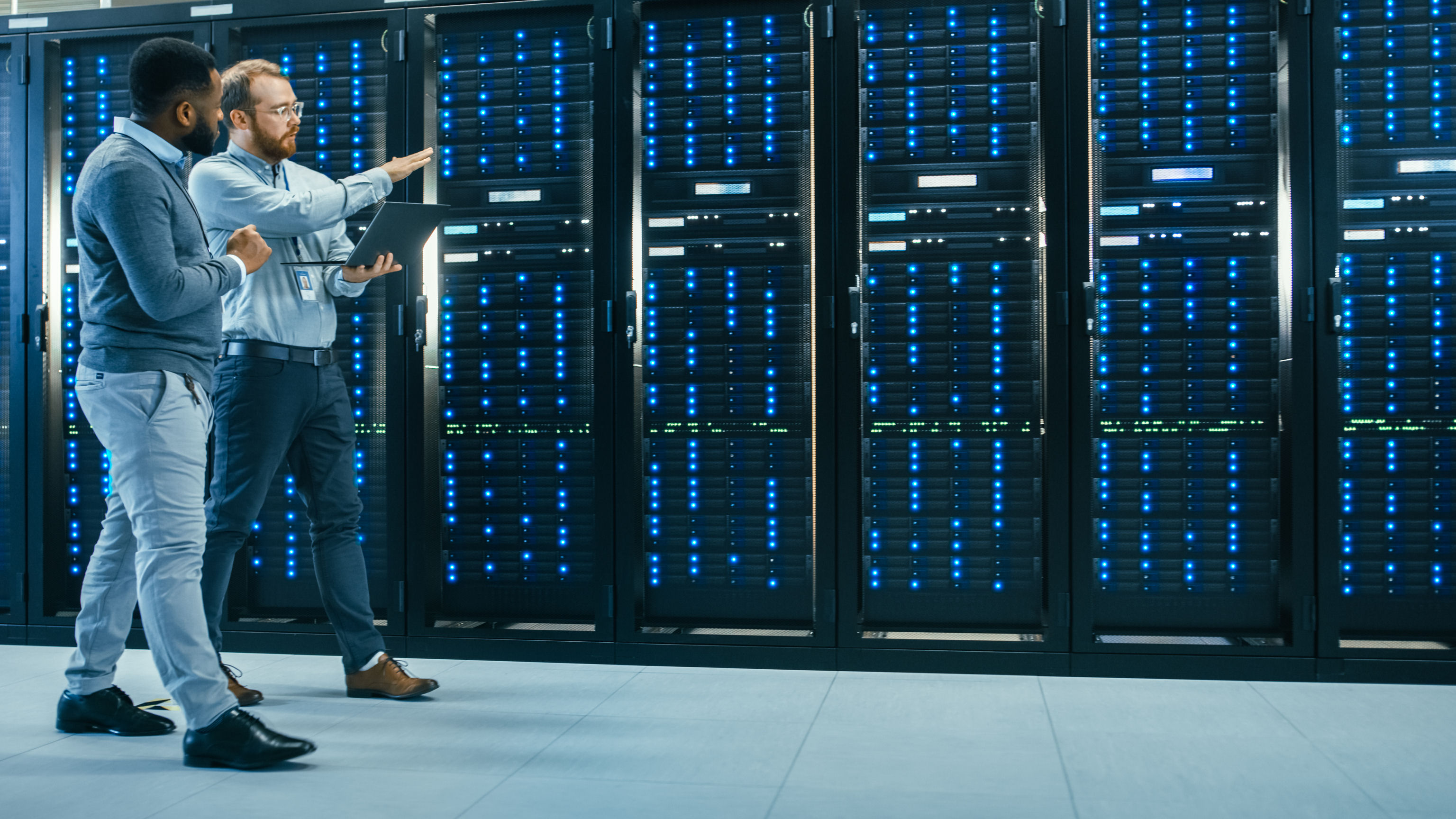
Image source: Getty Images.
And as it turns out, data center owners and operators arguably underestimated the amount of memory they would need.
This has proven a boon for Micron Technology (MU -0.66%), of course, which makes computer memory. Its net income more than tripled year over year on revenue growth of 74% for the fiscal quarter ending in February, reflecting the roughly 40% year-to-date increase in memory prices and their 240% run-up for the past 12 months. Most important to investors, Micron's stock price has soared more than 237% just in 2026, and is up roughly 900% for the past 12 months, pushing its market cap to over $1 trillion in the process.

NASDAQ: MU
Key Data Points
It's not just Micron, though, nor is it just DRAM. South Korea's SK Hynix (KOSE: A000660) is benefiting from the same insatiable demand for temporary computer memory and permanent data storage as well, since it makes memory chips in addition to hard drives. Its stock -- which isn't yet listed within the United States -- has also been catapulted since the middle of last year, making it another one of the market's few trillion-dollar companies. Shares of better-known Samsung (SSNLF +0.00%) are also soaring thanks to its strong presence in the memory and storage markets.
And the party isn't over yet
The shocking part? Despite their pronounced and prolonged run-ups, prices for computer memory and data storage could still move higher. That's what analysts with Citigroup think, anyway, suggesting that DRAM prices will continue to rise through next year. Gartner's outlook is even more aggressive and shorter-term. It expects DRAM prices to grow by 125% for the entirety of 2026, while data storage prices soar a stunning 234%.
Even more amazing is that companies are willingly paying these outrageous prices that are causing consumers to balk. Micron, Samsung, and SK Hynix are very nearly sold out through next year. Indeed, Mordor Intelligence expects the global DRAM market -- as measured by revenue -- to grow at an average annualized pace of nearly 15% through 2031.
More to the point for investors, if you were looking for the next big thing in artificial intelligence, you may have just found it. You just might want to shop around for slightly better entry prices.