"This time is different."
Has any phrase in investing aged worse?
- Railroads were going to change everything in the late 1800s. They did, but most railroad stocks still went bust.
- Radio was the future in the 1920s. It was, and RCA shareholders got crushed anyway.
- The internet was a new paradigm. Yes indeed; Pets.com is still dead.
Now it's artificial intelligence (AI). The pitch is familiar: AI will transform every industry, unlock trillions of dollars in productivity improvements, and mint new corporate giants. As a whole, the thesis may well prove correct. I'd actually be really surprised if it didn't.

Image source: Getty Images.
But the dot-com bubble and other new-era shifts proved something important: A transformative technology and a good investment are not the same thing. Timing and price still matter, even when the story is real. There will be big winners but also plenty of long-term losers as AI changes how people do business.
Which raises the question: Are investors making a mistake by sitting on the sidelines, waiting for better prices? Well, it depends on what they do with that patience.
CSCO Cisco Systems
NASDAQ · As of 4:00 PM ET 10/22/26

Lessons from the dot-com wreckage
Let's give the late-1990s investors some credit: They saw the future. Amazon (AMZN -4.57%) did become a juggernaut. Apple (AAPL +1.23%) did put a supercomputer in everyone's pocket.
The problem wasn't the vision. It was the valuation.
Amazon dropped 93% before eventually proving the believers right. Cisco Systems (CSCO -2.21%) didn't reclaim its 2000 peak until last December's AI-powered rush.
But at least those companies survived. Pets.com, Webvan, and eToys didn't make it out of the wreckage at all.
Even Enron, now synonymous with corporate fraud, surfed the internet wave while it lasted. Enron Online only existed for two years, but was briefly one of the largest e-commerce platforms by transaction volume. The company pitched itself as a tech-forward logistics innovator, not a stodgy energy utility. Fortune named it "America's Most Innovative Company" for six consecutive years. The stock peaked around $90 in August 2000 before collapsing to $0.26 by late 2001.
Enron's fraud was real, but the bubble gave it cover. When everyone wants to believe in a new paradigm, skeptics are dismissed as dinosaurs who "just don't get it."
The investors who waited for better prices in 2000 and 2001 weren't cowards. They were right.
The case for optimism (with discipline)
Here's the good news: investors have seen this movie before, and they can learn from it.
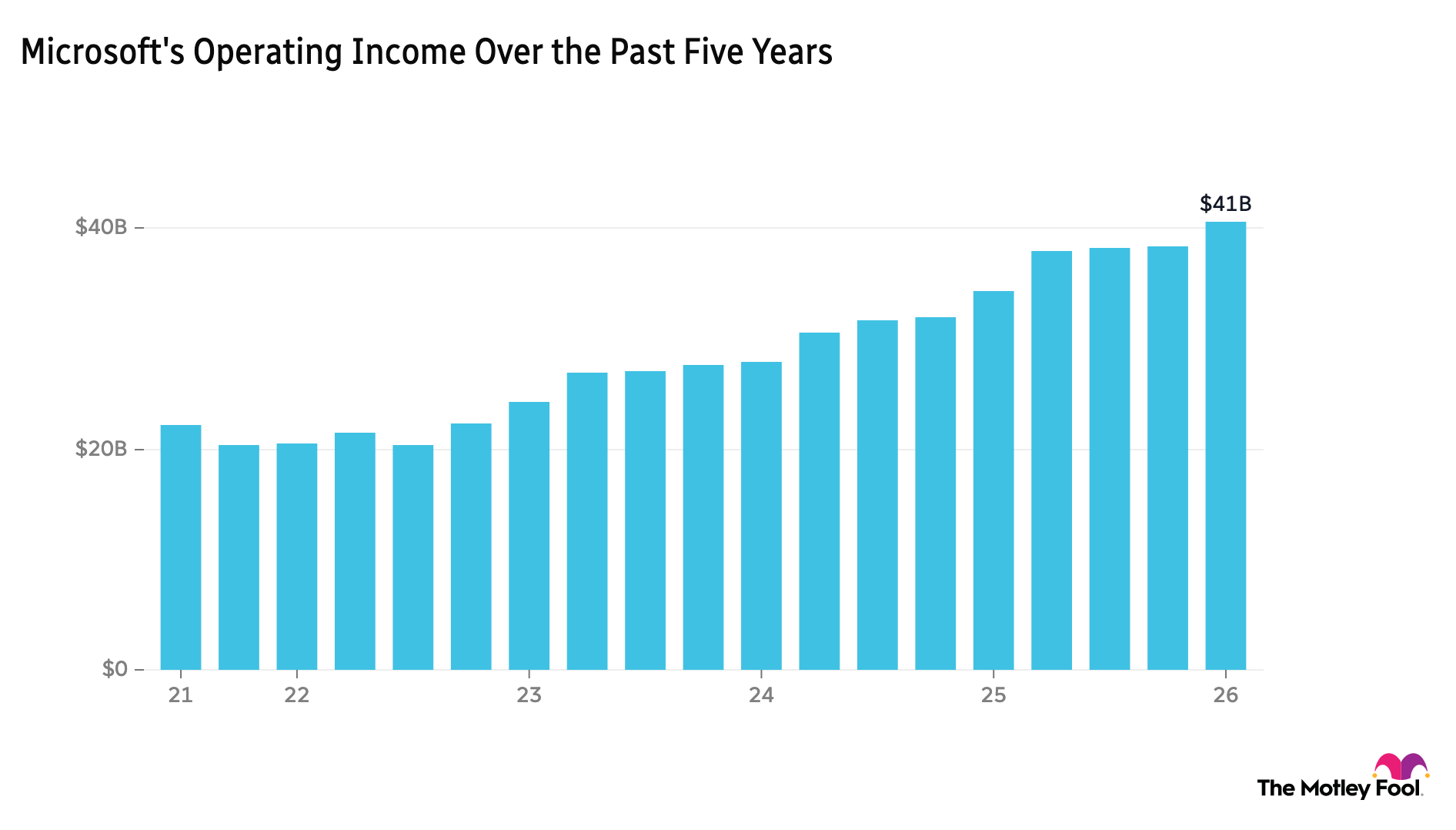
Nvidia (NVDA -4.40%) is selling real chips for real money. Microsoft (MSFT -2.23%) and Alphabet (GOOG -3.08%) (GOOGL -3.15%) are integrating AI into products with actual users. Unlike Webvan or Kozmo, these aren't high-flying start-ups burning cash on a dream. They are established giants with durable businesses layering on new capabilities.
That doesn't mean every AI stock is a buy at today's prices. Absolutely not.
Valuations still matter. So does long-term planning and execution. But today's investors have better tools to separate substance from hype than they did 25 years ago.
Waiting isn't losing
The financial media often frames patience as a missed opportunity. "You're missing the rally!" "The train is leaving the station!" Gen-Z investors might say "FOMO!" and "YOLO!" before slamming the "buy" button again.
This bullish attitude assumes that prices only go up, and that buying later always means buying higher. History suggests otherwise.
Waiting for a better entry point isn't the same as sitting out forever. It's a recognition that price matters, that cycles exist, and that enthusiasm can outrun fundamentals. Investors who stayed patient during past fads often received better opportunities down the road.
Believe in the AI revolution if you want. Just don't let enthusiasm override arithmetic. Even proven money-makers like Nvidia, Microsoft, and Alphabet might be overvalued from time to time.
Being right about the technology doesn't guarantee being right about the stock, the price, or the timing. A recent Motley Fool research report suggests that AI is the real deal, just as railroads, radio, and the internet were. But "real deal" and "buy at any price" have never been synonyms.
This time might actually be different. History says that's not enough. Be careful out there, dear AI investor.