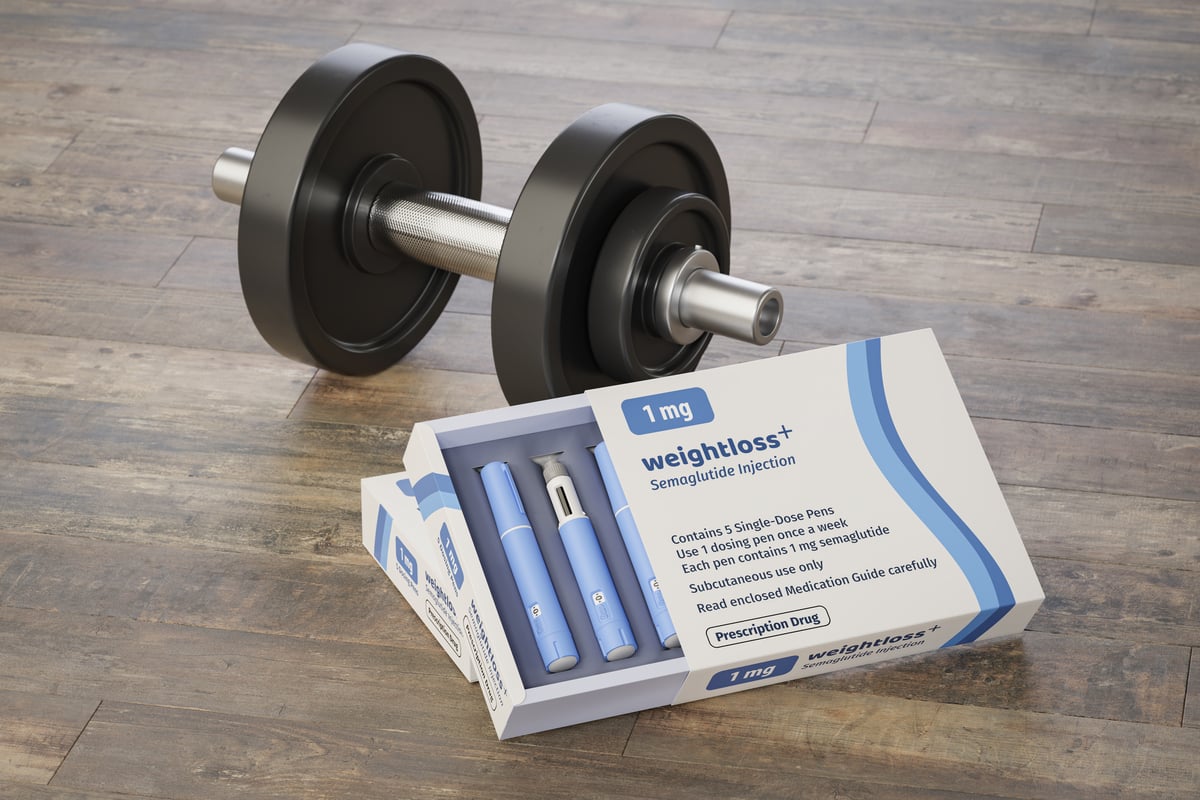
The market for chronic weight management drugs has grown significantly in recent years. Analysts project that this trend will continue into the next decade. Novo Nordisk (NVO +0.58%) is one of the undisputed leaders in this niche, so one might think the company has performed well -- and will continue to do so -- as it rides this tailwind. However, over the past two years, Novo Nordisk's shares have lost about 68% of their value. What is going on with the Denmark-based pharmaceutical giant? Let's find out.
Image source: The Motley Fool.
Competition came for Novo Nordisk
Clinical and regulatory wins are important catalysts for pharmaceutical companies. In fact, these often drive the stock price just as much as financial results. The market rewarded Novo Nordisk for its work in the anti-obesity market, as the company launched its now-famous medicine, Wegovy, whose sales were once growing incredibly rapidly. Wegovy became so popular that it even encountered shortages.
However, Novo Nordisk began facing competition from Eli Lilly's (LLY +1.53%) Zepbound, which posted better weight-loss efficacy in clinical trials. Further, Novo Nordisk hit some clinical setbacks. The company's next-gen weight-loss medicine, CagriSema, failed to meet management's projected 25% mean weight loss in a phase 3 study and proved inferior to Zepbound in a head-to-head trial.
Lastly, Novo Nordisk's financial results worsened as the company lost share in the GLP-1 market. It had to adjust its guidance downward several times in 2025, and it expects its revenue to move in the wrong direction for the fiscal year 2026.

NYSE: NVO
Key Data Points
Can Novo Nordisk bounce back?
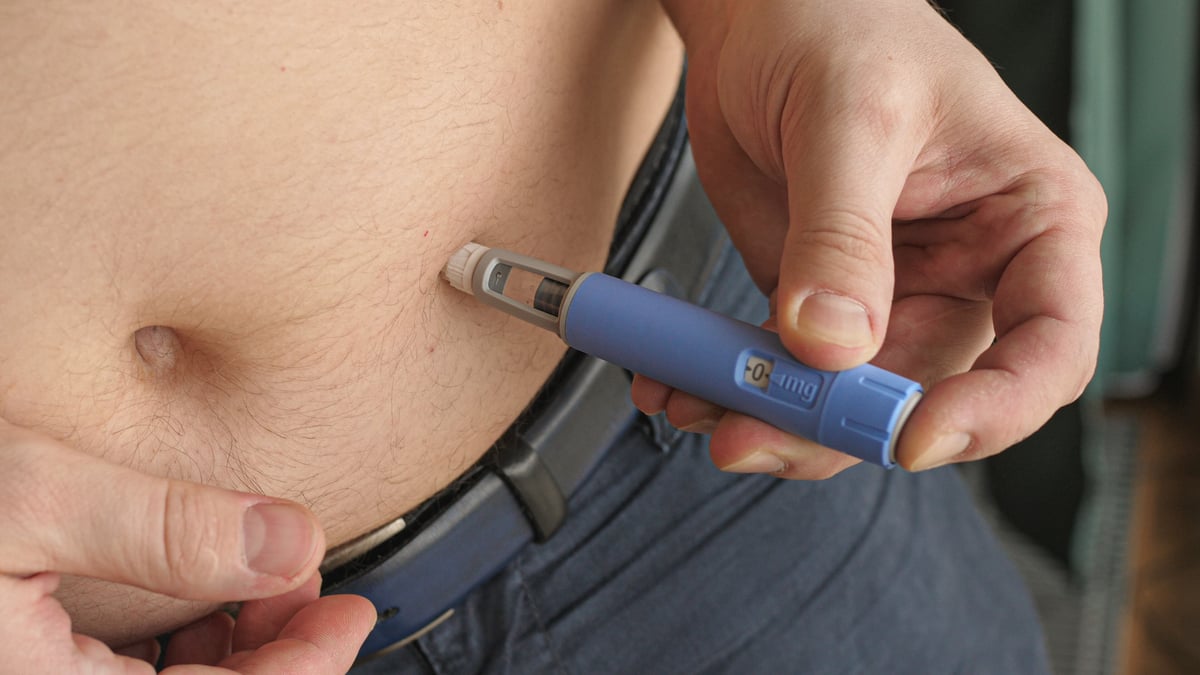
Despite Novo Nordisk's obstacles, there are reasons to be optimistic. The company has made moves to strengthen its position in the weight-loss market, perhaps the most important being the launch of an oral formulation of Wegovy. The pill is proving extremely popular and attracting a large number of brand-new patients who were probably hesitant to start treatment because the original subcutaneous Wegovy was inconvenient for them.
This is highly encouraging for Novo Nordisk, as it suggests that there may be other untapped opportunities in the market. Novo Nordisk is developing several new products that may also see significant success. There is Amycretin, a medicine that mimics the action of two gut hormones: GLP-1 and amylin, just like CagriSema. However, whereas CagriSema combines two molecules into one (Semaglutide and Cagrilintide), Amycretin is a single molecule, a fact that could lead to better efficacy and easier manufacturing than CagriSema. Amycretin is currently undergoing phase 3 studies.
Next, Novo Nordisk is working on UBT251. This medicine targets three distinct gut hormones (which could also boost efficacy) and has shown highly promising phase 2 results in China. These candidates could help Novo Nordisk cement its market position and fend off competitors. My view is that the worst is over for Novo Nordisk. The company's deep pipeline in diabetes and weight loss, and manufacturing capabilities in its core field of expertise, grant it a significant advantage over its peers not named Eli Lilly. Novo Nordisk is still one of the best stocks to capitalize on the rapidly growing weight loss market.