If there was any doubt that space-launch company SpaceX also owns and operates a serious artificial intelligence (AI) infrastructure business, Alphabet's (GOOG -1.62%) (GOOGL -1.62%) Google just wiped that concern away.
SpaceX recently announced that Google will rent AI computing capacity from it for the next three years, for $920 million per month. That's a $30 billion contract, if you're keeping score. That's also almost twice SpaceX's total 2025 top line of $18.7 billion, for perspective.
More than anything, though, this deal injects a last-minute detail into the discussion that some investors weren't expecting, changing the IPO's rhetoric from pessimistic to optimistic.
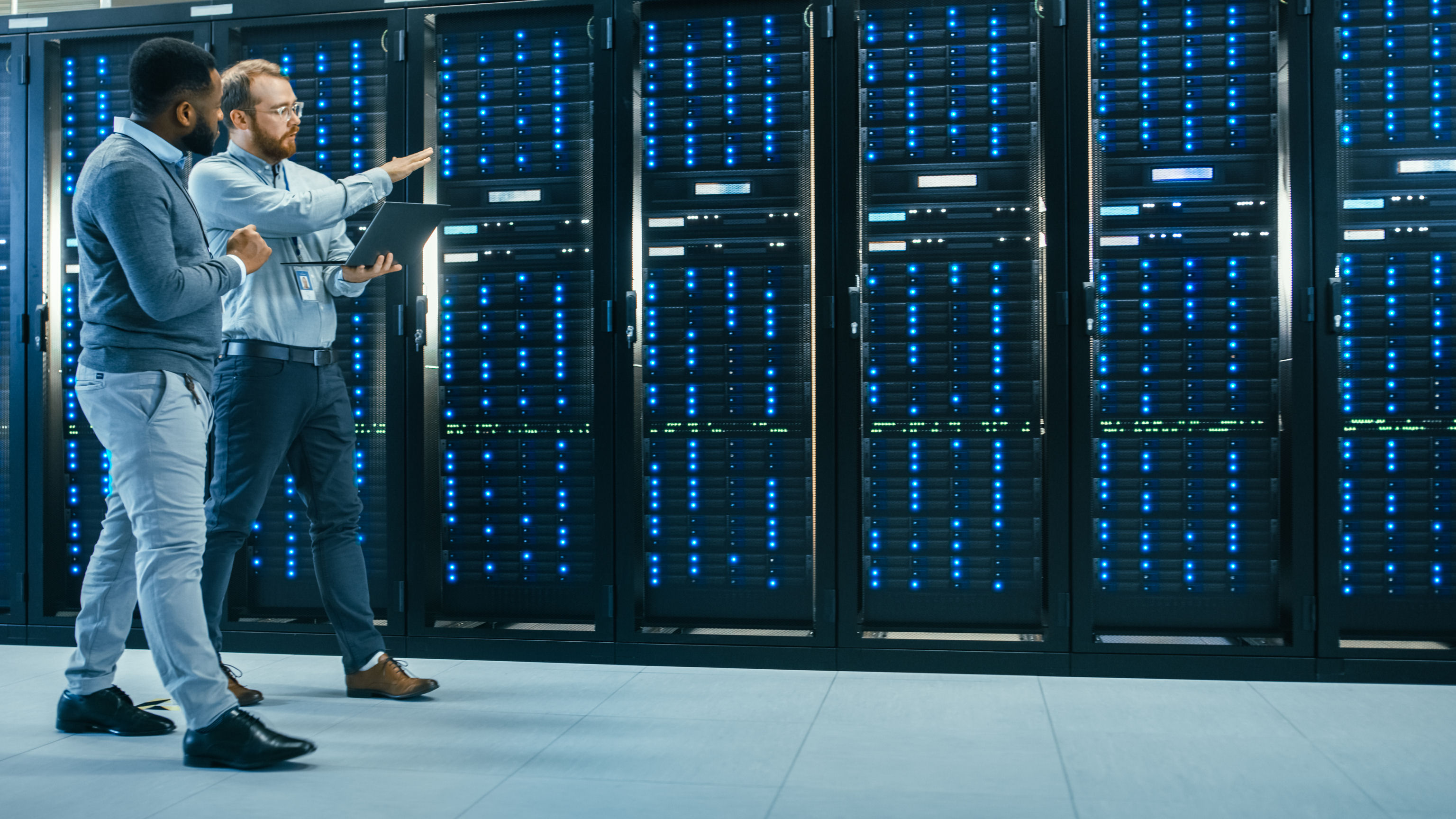
Image source: Getty Images.
SpaceX is more than you might think it is
While the sheer $1.77 trillion valuation that SpaceX's upcoming initial public offering implies is jaw-dropping, doubts have been raised about whether the company could sustain it for very long. Analysts with Morningstar contend that the space-launch specialist is only worth about half its implied market cap, for instance. After all, the privatized space launch business is big, but not that big.
SpaceX was never just a rocket company, though. For that matter, it was never predominantly about its satellite-based internet service Starlink and the 10.3 million subscribers it now serves, even though that's its biggest breadwinner right now. The company continues laying the groundwork to manufacture its own high-performance AI accelerator chips, too... an initiative called Terafab.
Rather, SpaceX's potential upside has been and remains rooted in a combination of all its businesses -- including AI infrastructure that's only been built out in earnest recently and, even more recently, marketed and monetized.
And it's all going somewhere, even if that destination seems fantastical. As SpaceX's IPO prospectus explains, "The sun contains approximately 99.8% of the solar system's energy and offers what we believe is the only truly scalable solution to the challenge of accelerating demand for compute relative to terrestrial energy constraints." It then goes on to explain "the logical path forward is to move power-intensive AI workloads into orbit, where solar energy is near-constant and uninterrupted."
You're reading that right. SpaceX wants to put artificial intelligence data centers in space, where their inherent heat also isn't a problem. Space is plenty cold on its own, as you may know.
The thing is, the company appears to have all the tools it needs to do exactly that.
A not-so-small nudge for SpaceX
It will likely be several years before orbiting data centers become mainstream. That's OK, though. SpaceX doesn't need to make them commonplace in the immediate future to help support its upcoming IPO. It only needs to demonstrate that it can and eventually will. Google's high-dollar commitment to SpaceX's AI infrastructure offerings simply confirms it's a serious player in the AI data center business.
And for many investors, this may be their first realization that SpaceX was even in business. Now forced to dig deeper into all that this company is and is becoming, its soon-to-be-issued stock may find considerably more bullish support out of the gate and for longer than expected. It might even mean the difference between a poor post-IPO performance and a bullish one.