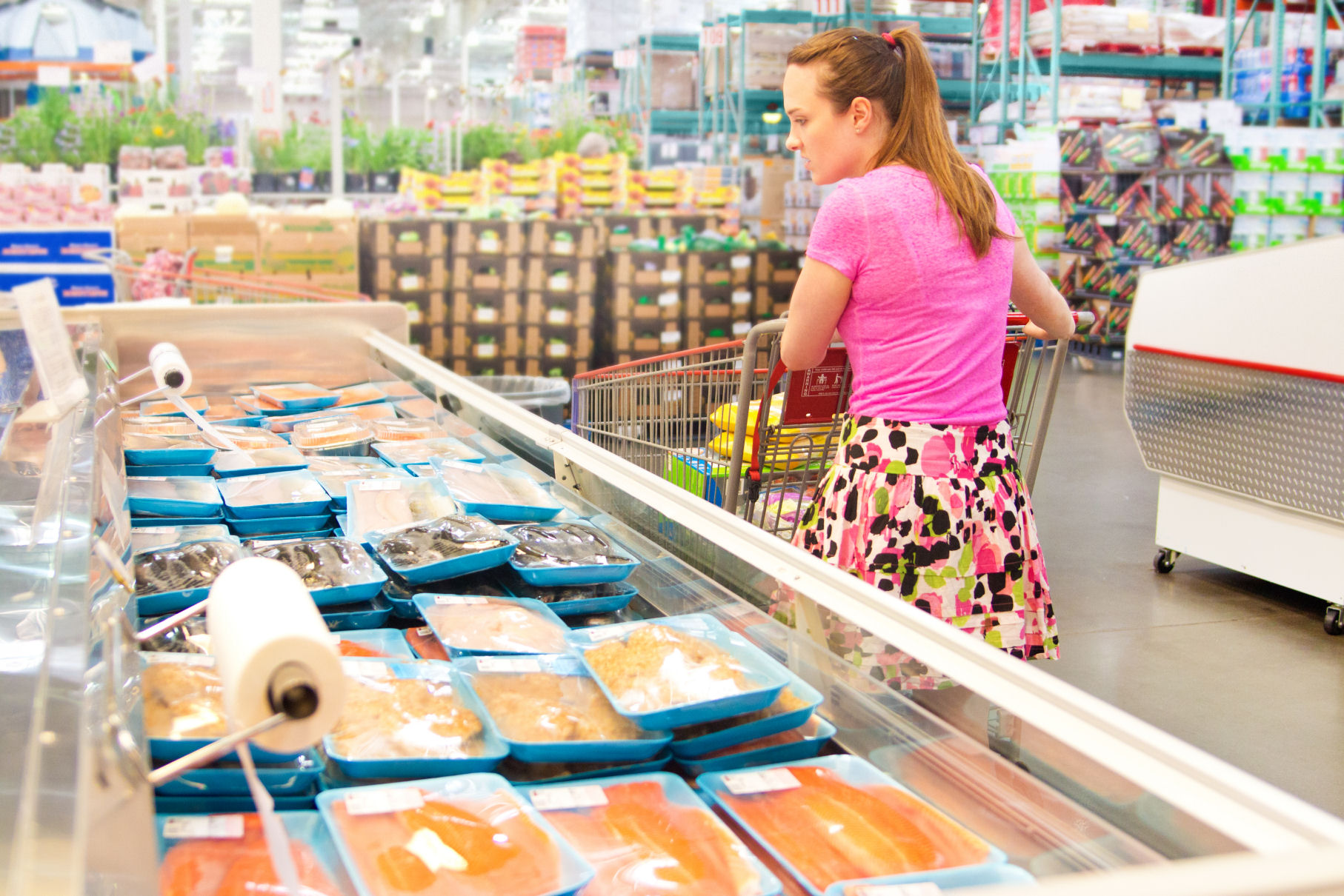
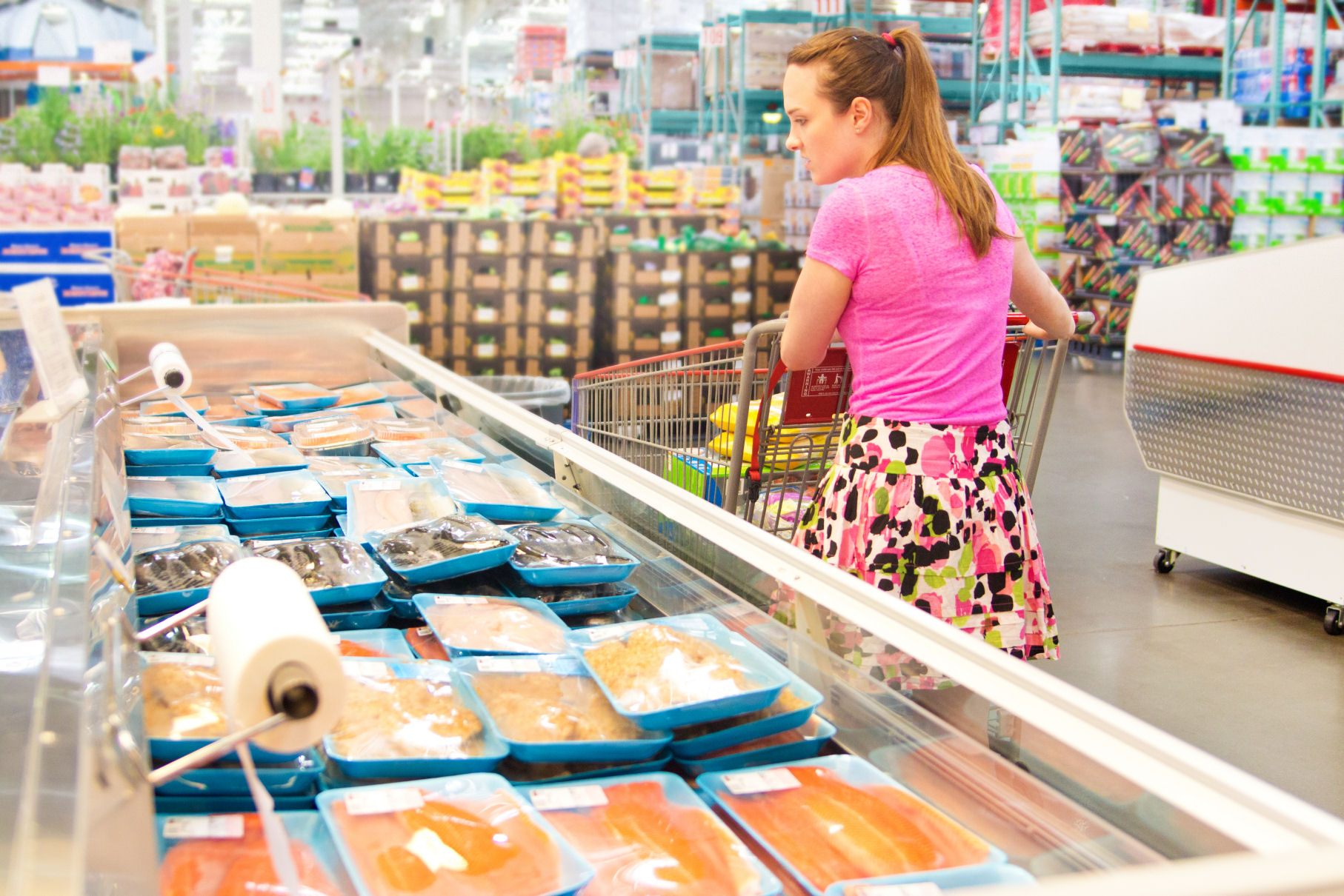
Last Thursday was a rough day for Kroger (KR -0.76%) shareholders. The stock fell nearly 8% -- its largest single-day drop in close to five years -- after the grocery chain's first-quarter results landed one penny below Wall Street's earnings estimate. One penny. The irony of that drop is almost too on-the-nose for a company whose new CEO has spent his first 100 days publicly declaring that lower prices and more value for shoppers are his top priorities.
This is how the market works sometimes. A company posts $46.12 billion in quarterly revenue (beating expectations) and maintains its full-year guidance -- and yet the stock falls 8% because of a rounding error in earnings per share.
The reaction has little to do with what Kroger actually is and everything to do with how investors feel right now: scared. Inflation just hit its fastest annual pace in more than three years. The Federal Reserve signaled the possibility of a rate hike in its most recent meeting, sending stocks to their worst "Fed day" since 1994. Consumer confidence sat at 93.1 in May. People are rattled, and rattled people sell.
But that creates a window -- in this case, for Kroger investors.

NYSE: KR
Key Data Points
What Kroger is building
Greg Foran took over as CEO in February with a resume investors should know: he ran Walmart's U.S. division and is credited with one of the most successful operational turnarounds in modern retail history. His strategy at Kroger isn't complicated. "The basket has to come down," he said publicly in May. He plans to cut prices on thousands of products, funded by better supplier sourcing and technological efficiency, not by squeezing margins blindly.
Behind that price-cut strategy is a digital business that has posted seven consecutive quarters of double-digit growth and is expected to reach profitability in the first half of 2026. Kroger's e-commerce operation is now a $16 billion business. It has partnerships with Instacart and DoorDash for same-day delivery. It launched an agentic AI shopping tool -- the kind that helps customers build grocery baskets, plan meals, and find deals -- that it is rolling out to more divisions this year.
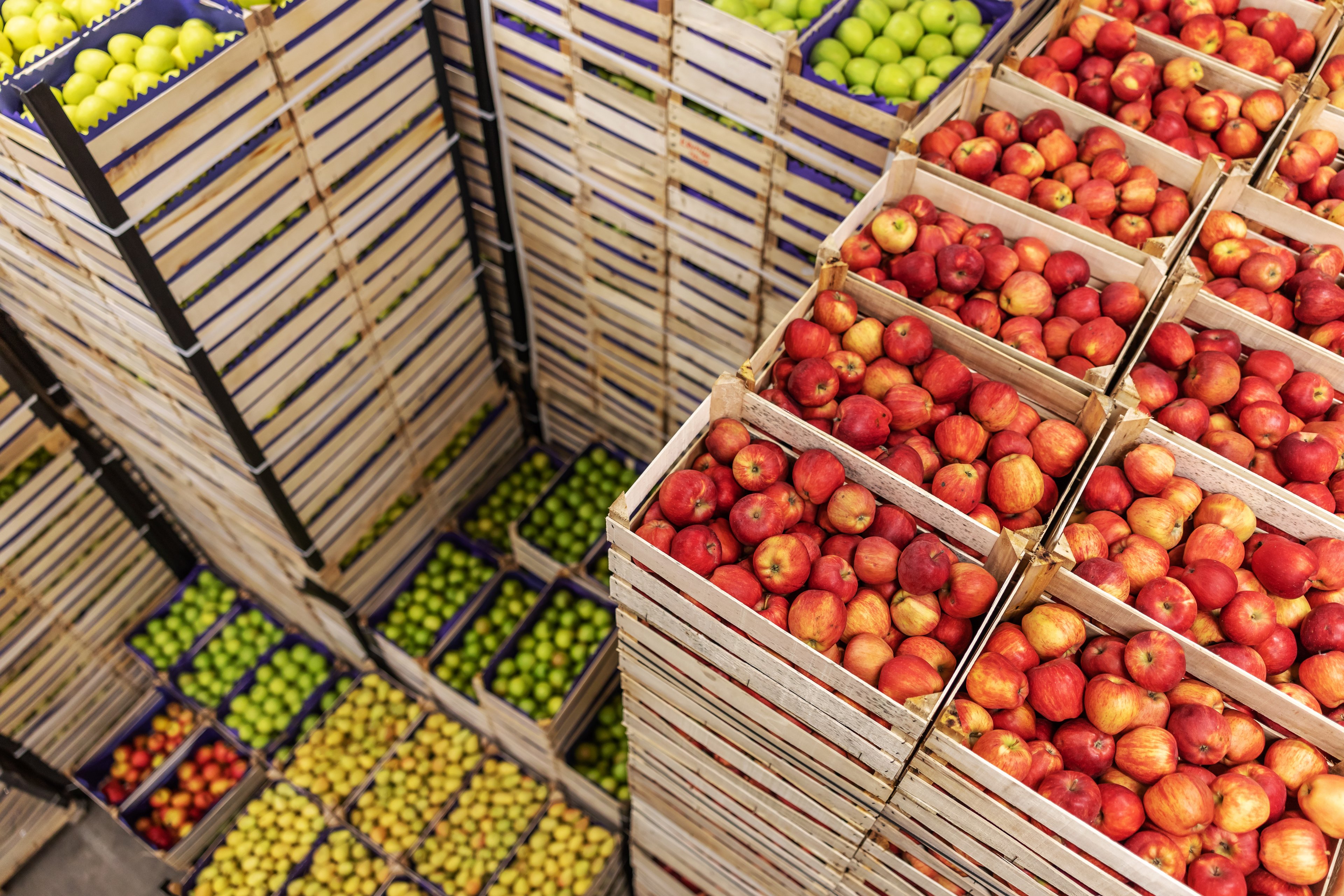
Image source: Getty Images.
Kroger also introduced more than 1,100 new private-label products in fiscal 2025, up from 900 the prior year. Private label is what happens when a retailer becomes a brand. These are the products where margins are highest, loyalty is deepest, and consumers return regardless of what the economy is doing.
Why this dip is a great buying opportunity
Kroger's shares are now trading near a 52-week low. The stock yields around 2.26% at current prices. The company is planning capital expenditures of $3.8 billion to $4 billion in 2026, with a 30% increase in new store openings and expansion into two new geographic regions.
None of that changed yesterday. The grocery category is one of the most durable in all of retail. People eat regardless of what the Fed does.
Kroger is not a growth stock. It is a compounding machine for patient capital -- a business with 2,700 stores, a growing digital arm, and a CEO who knows how to turn the flywheel. For investors with a long time horizon, the fear-driven sell-off looks less like a warning and more like the kind of entry point that, in hindsight, looks obvious.