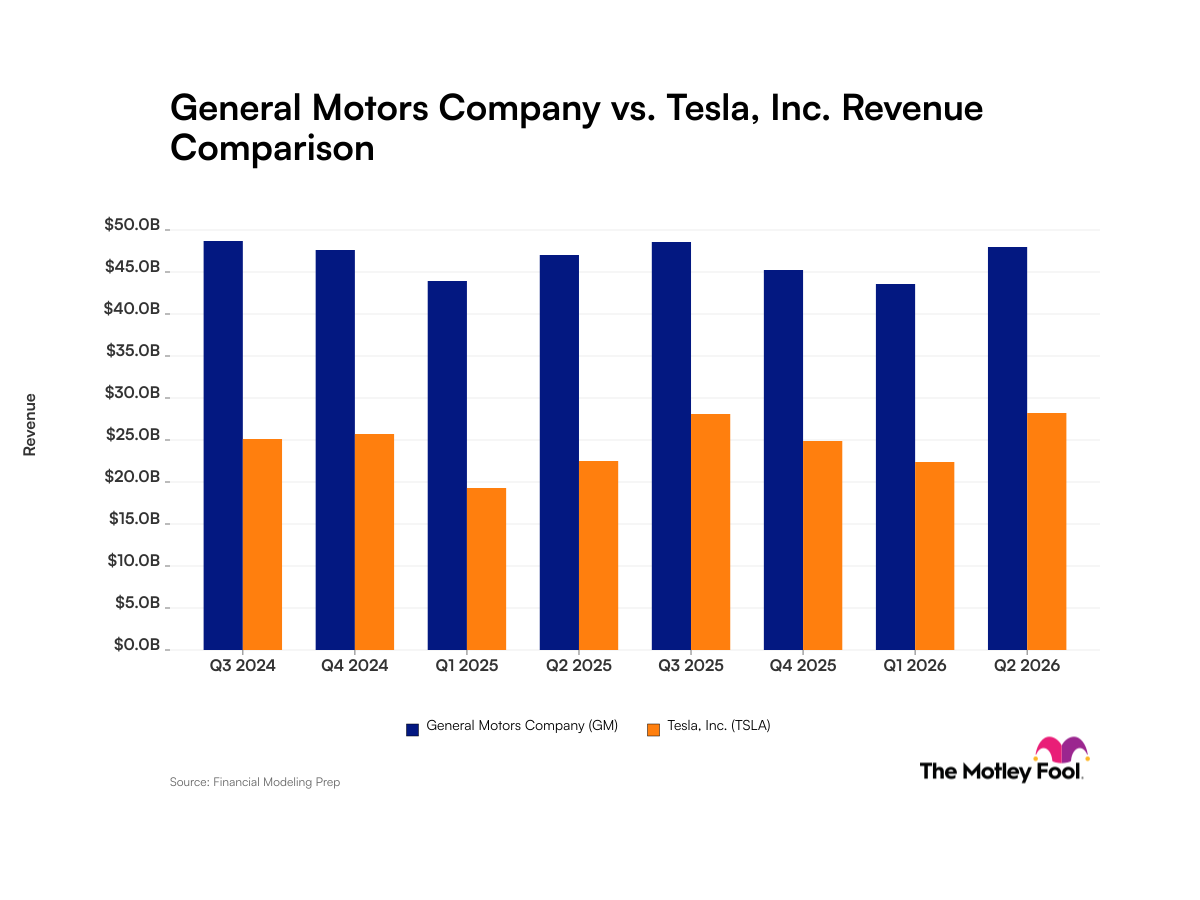
As competition heats up and demand for electric vehicles (EVs) in the U.S. cools down, shares of Tesla (TSLA -0.74%) have unsurprisingly fallen more than 14% in 2026. Simultaneously, Tesla's self-driving capabilities have come under intense scrutiny for both safety reasons and the pace at which they're being rolled out. Is the dip in Tesla's price an opportunity to buy, despite these challenges?

NASDAQ: TSLA
Key Data Points
There is good news for Tesla's investors. Sales in Europe are rebounding, and the appetite for EVs abroad doesn't seem to be as sluggish as at home. Tesla's energy division, particularly in battery storage, is growing, and its revenue is likely to increase substantially in the coming quarters. Wall Street's consensus estimates suggest that the company's energy segment could generate $18.3 billion this year.
Between energy storage demand and a rebounding European market, momentum is building in Tesla's favor. The slowdown in the U.S. market could also be cyclical and due for a rebound, but that's still a risk.
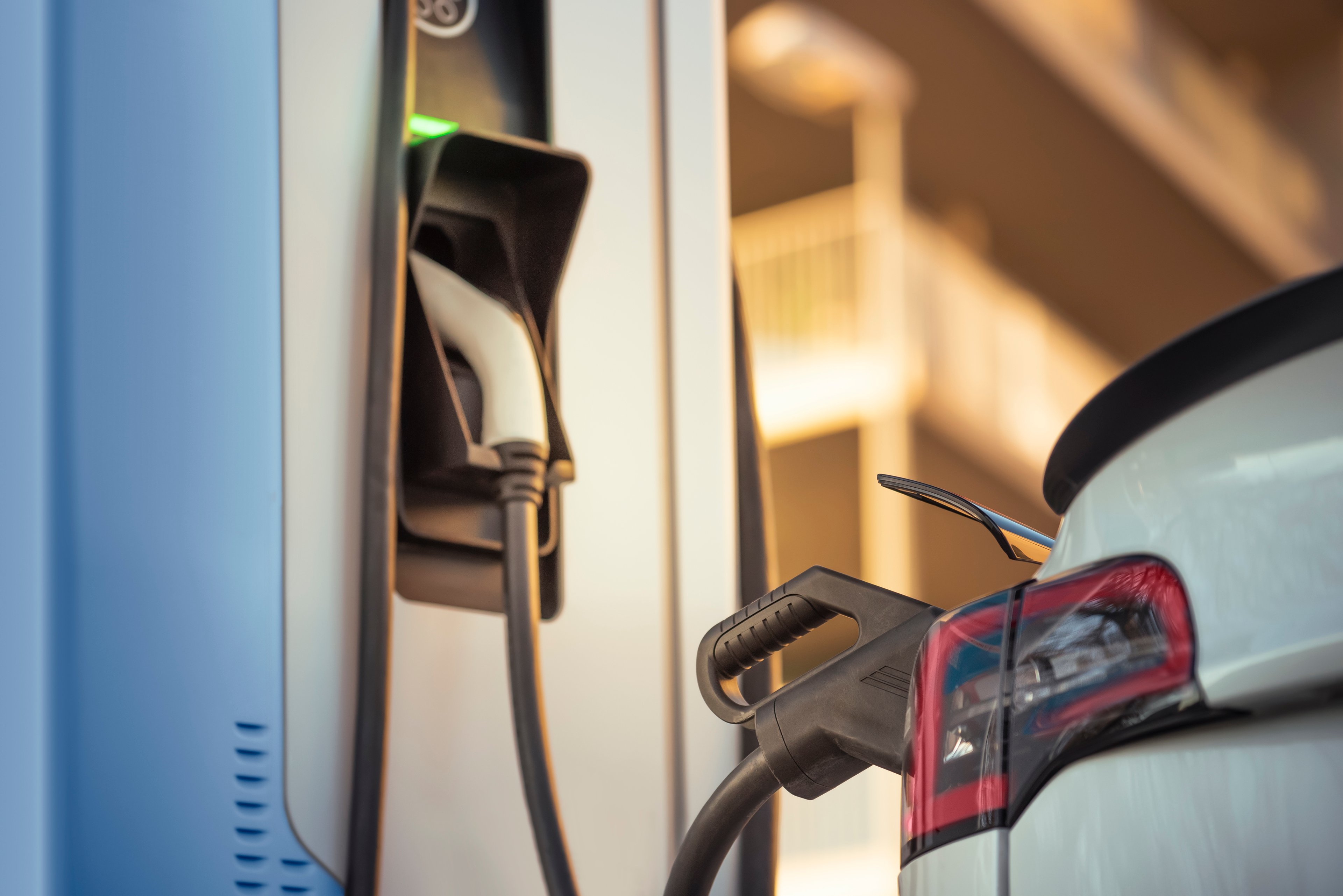
Image source: Getty Images.
If Tesla goes the way of Ford Motor Company and General Motors by focusing more heavily on energy storage solutions, there's real money to be made in the short and intermediate terms, with potential for sustainable long-term growth on the other side. The incredible need for energy storage isn't slowing down. The energy storage market is expected to grow by nearly 22% year over year through 2033, according to market research firm Grand View Research.
Tesla's stock is still trading at a premium, even after the 14% dip. I believe Tesla Energy's potential justifies the inflated price, though, and this year's decline presents a compelling reason to buy.