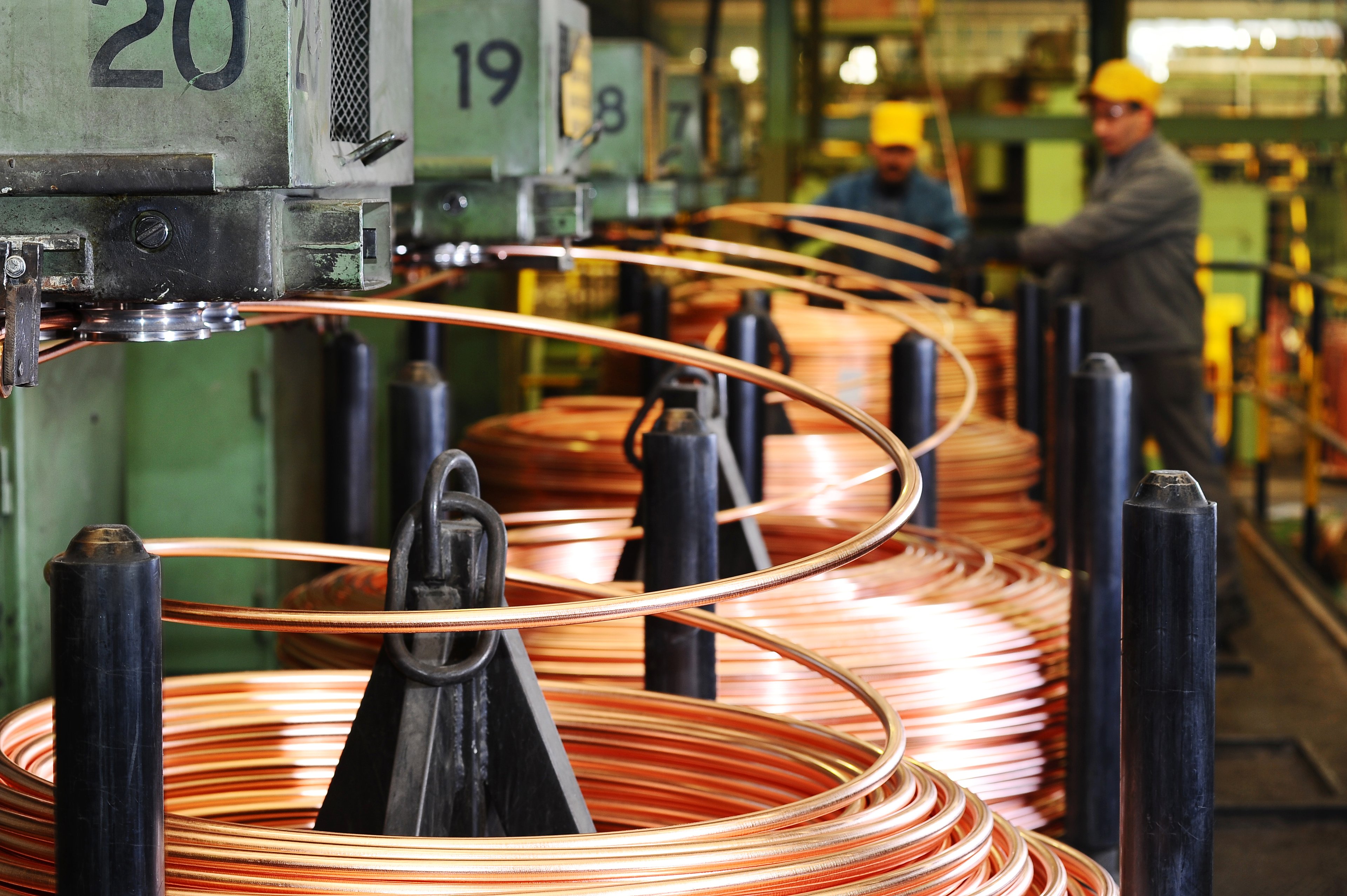
Shares in alumina and aluminum products company Alcoa (AA -0.26%) declined by more than 15% in the week to late Thursday afternoon. The sliding share price comes at a time when commodity markets have begun to price in a reopening of the Strait of Hormuz as part of an agreement between the U.S. and Iran.
Why the Strait of Hormuz matters for Aluminum and Alcoa
Having finished last week trading at about $3,400 per tonne, it's trading below $3,200 per tonne as I write. The price correction negatively impacted aluminum product companies this week, and it's no coincidence that Century Aluminum also declined by a mid-teens percentage for the week.

NYSE: AA
Key Data Points
While oil and liquefied natural gas naturally (pun intended) captured attention when Iran closed the Strait, a host of other commodities were also affected by the lack of commercial traffic through it. One of them is aluminum, given that the Middle East produces up to 9% of global aluminum production.
The inability to receive raw materials caused aluminum smelters in the Gulf to curtail activity, and the lack of aluminum product supply sent the commodity's price soaring as traders priced in a premium. In addition, aluminum smelters are highly energy-intensive operations, and the concomitant rise in energy prices also sent aluminum prices higher.
Given that the market is now pricing in a gradual resumption of normality to traffic through the Gulf, and smelters in China and Indonesia were able to ramp production anyway, there's been downward pressure on aluminum and Alcoa stock too.
Image source: Getty Images.
Where next for Alcoa
The news wasn't lost on Wall Street: a Wells Fargo analyst lowered the stock's price target to $71 from $82 this week while maintaining an overweight rating. The implied buy rating may prove a good call, as it's still unclear how badly the region's smelters were damaged, and aluminum stocks remain significantly lower than at the start of the year.