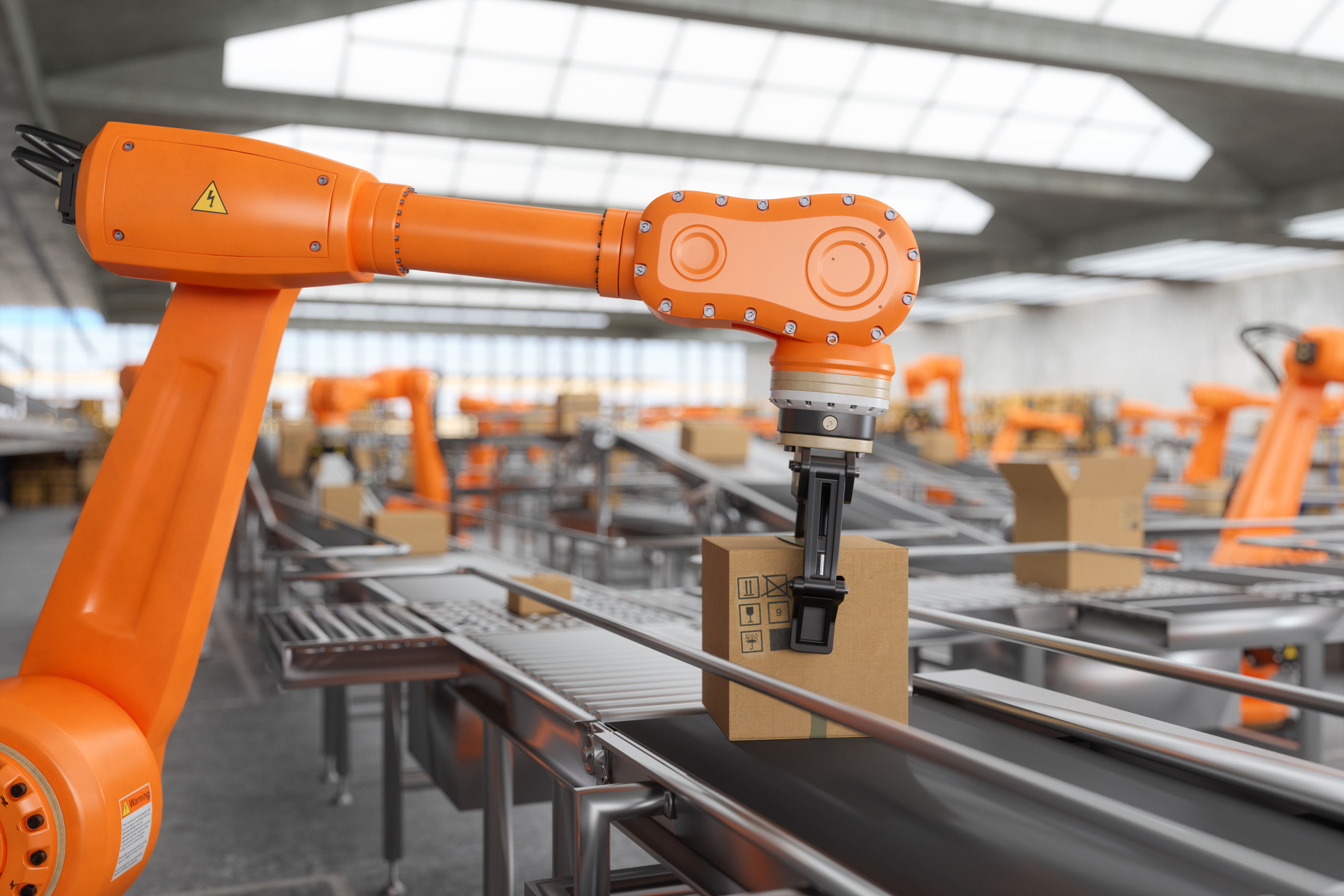
Amazon (AMZN +1.95%) recently announced that it would spend at least €10 billion ($11.4 billion) to modernize its European fulfillment network with robots over the next few years. These robots include Proteus, its fully autonomous warehouse robot; STARK, which picks up heavy bins from conveyor belts and stacks them into carts; and Vulcan, its first tactile-sensing robot that can handle a wide variety of packaging shapes and materials with extreme precision.
Will Amazon's robotics expansion create headwinds for Symbotic (SYM +2.99%), or could it accelerate the automation arms race and drive its stock even higher?
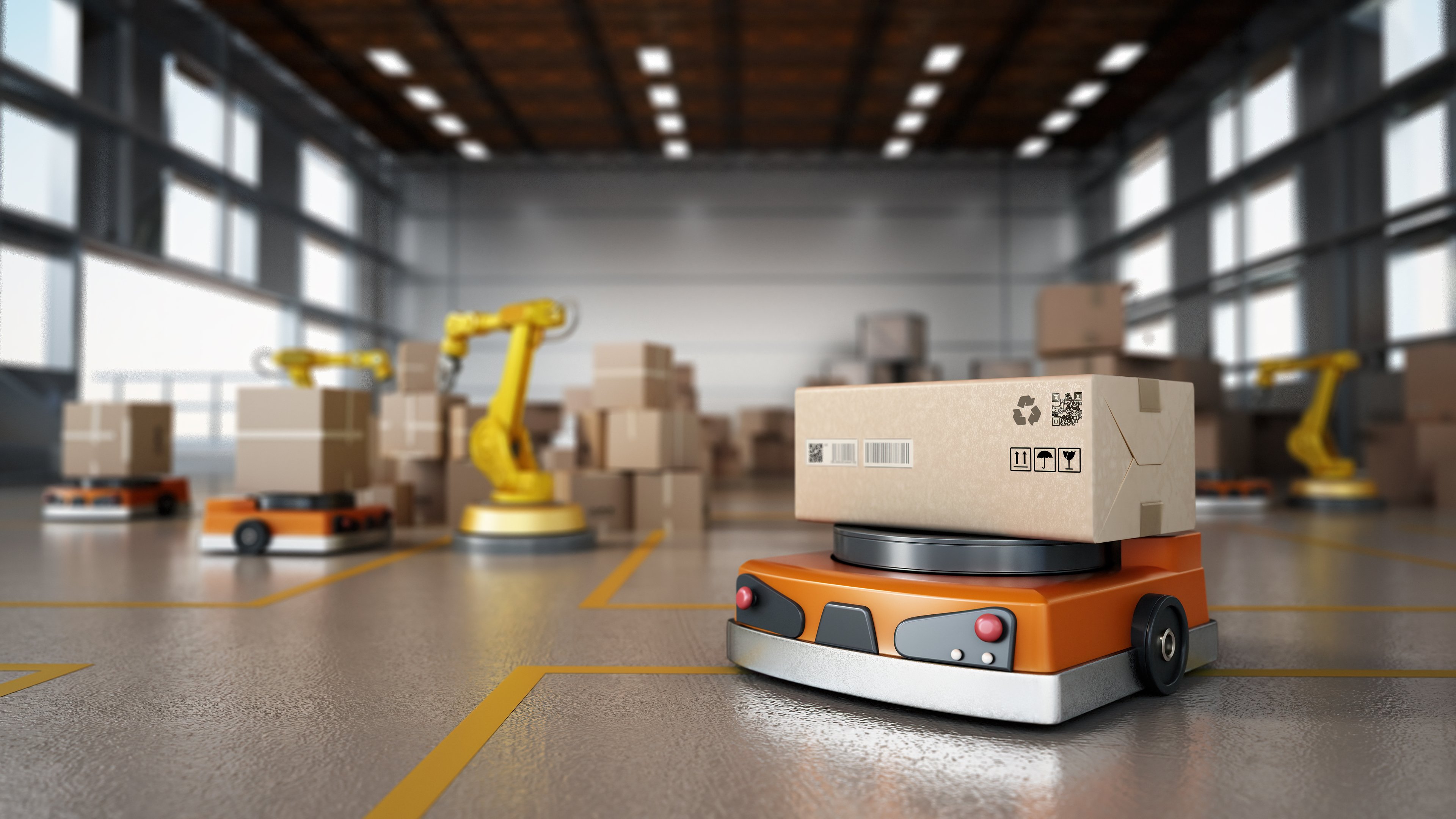
Image source: Getty Images.
What does Symbotic do?
Symbotic develops fully autonomous warehouse robots that process pallets and cases. It claims a $50 million investment in just one of its modules (which includes its robots and software) can generate $250 million in savings over 25 years.

NASDAQ: SYM
Key Data Points
Walmart (WMT +2.03%) is Symbotic's largest customer and one of its top investors. Symbotic generated 85% of its revenue from Walmart in fiscal 2025 (which ended last September), and it holds a contract to automate all of its U.S. regional distribution centers by 2034. Symbotic also acquired Walmart's own robotics division in early 2025, and the two companies are co-developing automated micro-fulfillment systems for individual stores.
Symbotic's other smaller customers include Target, Albertsons, C&S Wholesale, and GreenBox -- a warehouse-as-a-service joint venture it formed with its other major investor, SoftBank.
Why Amazon's move could be great news for Symbotic
Amazon's new warehouse robots might initially seem like a threat to Symbotic, since the e-commerce giant could eventually sell its robots to third-party customers to offset its own spending. However, most of Symbotic's revenue still comes from Amazon's top competitor, Walmart, which will likely ramp up its own robotics spending in response to Amazon's accelerated investments.
That automation "arms race" could also drive other retail giants to sign more deals with Symbotic and its industry peers. According to Fortune Business Insights, the warehouse automation market could expand at a 16.1% CAGR from 2026 to 2034 as more of those tailwinds kick in.
From fiscal 2025 to fiscal 2028, analysts expect Symbotic's revenue and adjusted earnings before interest, taxes, depreciation, and amortization (EBITDA) to grow at CAGRs of 26% and 73%, respectively.
With an enterprise value of $3.2 billion, it still looks undervalued at one times this year's sales and 10 times its adjusted EBITDA. Therefore, this underappreciated robotics stock could still be a great long-term play on the booming warehouse automation market.