The nuclear renaissance is upon us. Investors will have ample opportunity to profit from the energy transition. But there's a lot to understand first before diving in. From the 1960s through much of the 1980s, global nuclear energy capacity consistently rose. Then, in the 1990s, nuclear energy generation capacity plateaued. Growth would remain stagnant for decades.
In 1990, nuclear energy contributed roughly 17% to 18% of the world's electricity generation. Today, nuclear meets less than 10% of global electricity demand. There are many reasons for this, but the takeaway for investors was clear: Very little growth was expected from the nuclear energy industry for many decades.
That growth plateau, however, is already a relic of history. "[N]uclear energy has, in many ways, been recently 'rediscovered' amid surging electricity demand," concludes a recent report from Bank of America.
Image source: Getty Images.
Why is electricity demand surging? One factor is mostly to blame: the rapid rise of energy-intensive AI technologies. In the coming years, $7 trillion is expected to be spent scaling AI data center infrastructure. All of those data centers will need massive amounts of energy to operate, and the current electricity grid simply isn't equipped to meet that increased demand.
In other words, more energy sources will be needed to fuel the AI revolution. And nuclear energy looks like an ideal solution. "Compared with other energy sources, [nuclear] offers reliable baseload power, a smaller carbon footprint, and a higher energy return on investment," observes Bank of America.
All these points are critical. AI data centers need a reliable, consistent power source. Meanwhile, many big tech companies currently scaling their own data center infrastructure have climate pledges, limiting their investment in power generation from fossil fuels. Finally, investment dollars are finite, forcing these companies to pursue energy options with the highest long-term payoff.
In all, Bank of America sees the nuclear renaissance creating a $10 trillion investable opportunity. Where should investors be focusing their research? Two innovative nuclear energy stocks top the list.

NYSE: SMR
Key Data Points
1. NuScale Power
Due to its relatively small size, NuScale Power (SMR +4.46%) arguably has more raw upside potential than the next stock on this list. But the company has disadvantages from an investment perspective.
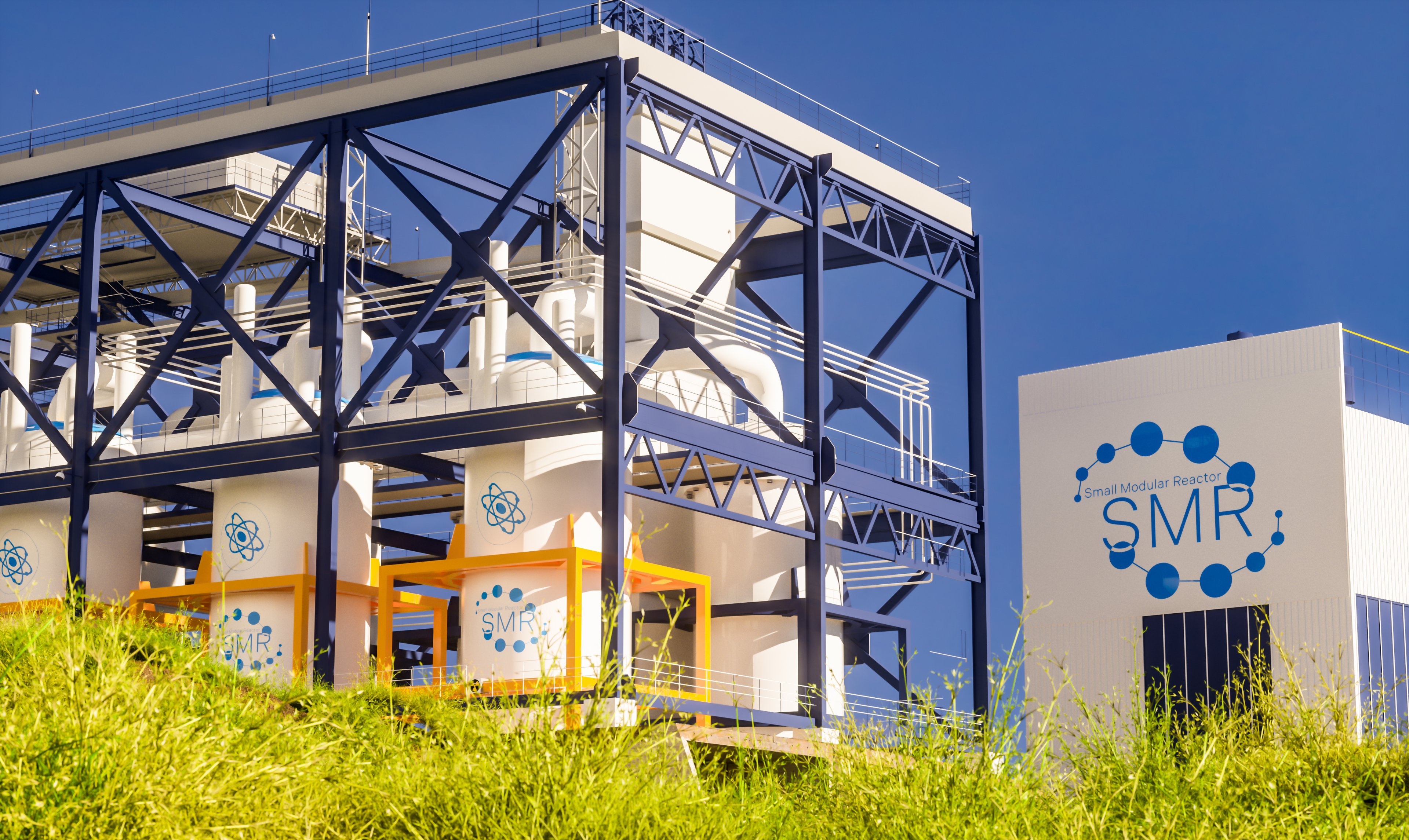
NuScale is focused on designing, building, and deploying small modular reactor systems (SMRs). Only a handful of SMR systems are online globally today. In a nutshell, these miniature nuclear power plants can -- at least on paper -- be built faster and more cheaply than conventionally large nuclear power plants. They also have smaller footprints, with arguably better safety profiles.
So why aren't there more SMR systems in the world today? While cheaper to construct initially, these systems may ultimately be more expensive on a per-megawatt basis. Additionally, government regulations in many parts of the world have yet to catch up with these smaller reactor designs. In fact, NuScale is the only company approved by U.S. regulators to build an SMR system -- at least for now.
NuScale already has several projects in its pipeline, including a 6-GW project in the eastern U.S. But no projects have officially broken ground yet. Most aren't expected to be completed until 2030 at the earliest.
So while NuScale's $3.2 billion market capitalization provides plenty of upside, there's also plenty of financing risk. The investment thesis for NuScale is a bet that the company's project pipeline will advance faster than the required shareholder dilution to keep the company afloat.

NYSE: OKLO
Key Data Points
2. Oklo
Oklo (OKLO +1.76%) is very similar to NuScale in terms of its focus on SMRs. But instead of marketing its systems to utilities, Oklo is focused on selling directly to big tech and data center businesses. It already has several valuable deals lined up, including a 1.2-MW system ordered by Meta Platforms.
Notably, OpenAI CEO Sam Altman is a major investor in Oklo. This lends a ton of social validation to the company's technology and growth vision. With a $7.7 billion market value, Oklo arguably has a better ability to finance itself over the near term than NuScale. But losses are piling up, and an investment in Oklo today hinges on the same factors affecting NuScale, namely: Will the execution of its project pipeline advance faster than the pace of shareholder dilution?
Both Oklo and NuScale are pure-play stocks for betting on the nuclear renaissance. Both, however, should be relegated to aggressive growth investors willing to stomach extra volatility in return for high long-term upside potential.