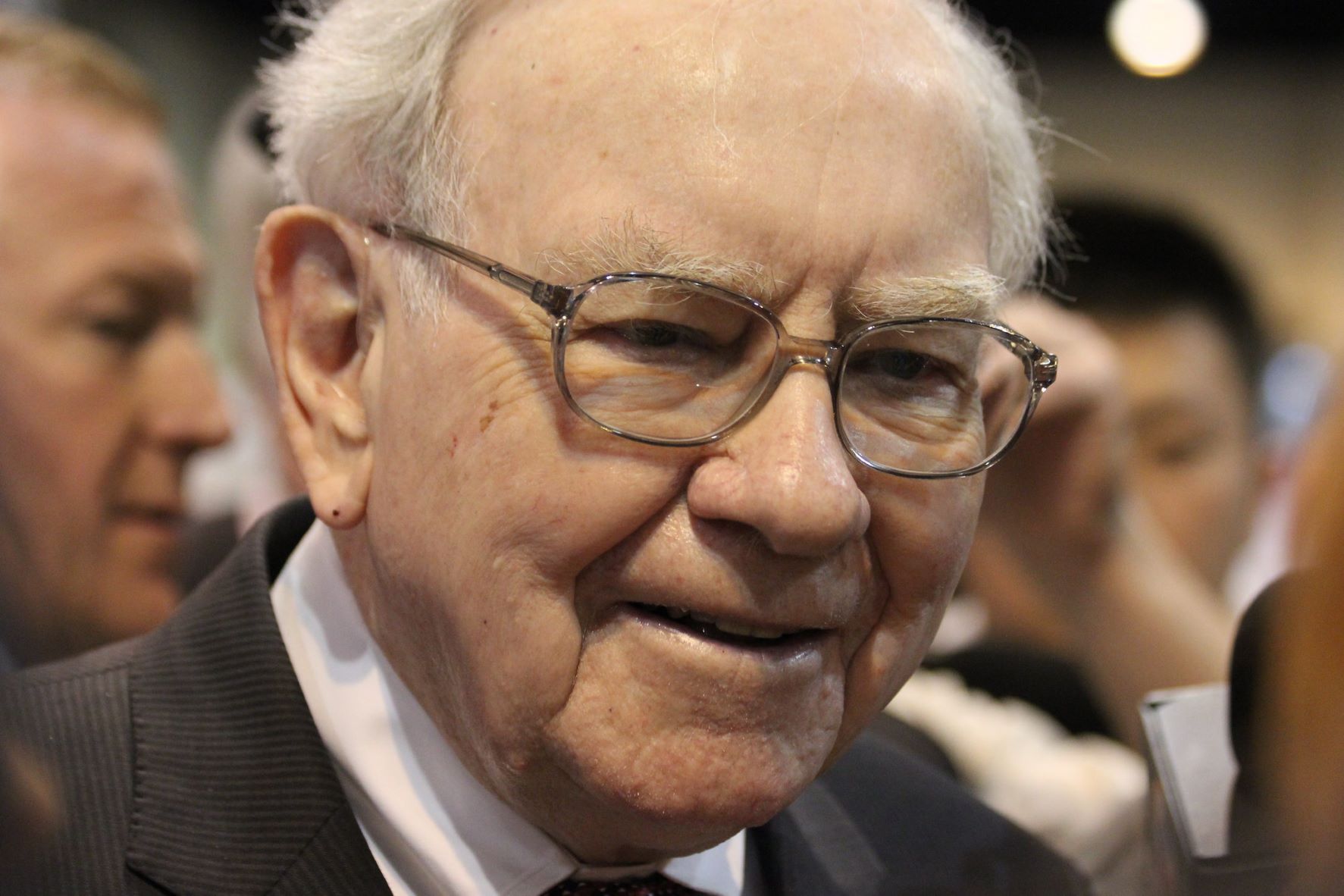
Berkshire Hathaway (BRKA -0.74%) (BRKB -0.55%) is sitting on a mountain of money that keeps getting taller. The company ended its most recent quarter with a record of roughly $397 billion in cash and Treasury bills, up from about $348 billion a year earlier and just $129 billion three years ago.
That raises two questions worth exploring: Why does the pile keep growing, and where might new CEO Greg Abel finally put some of it to work, especially in artificial intelligence?
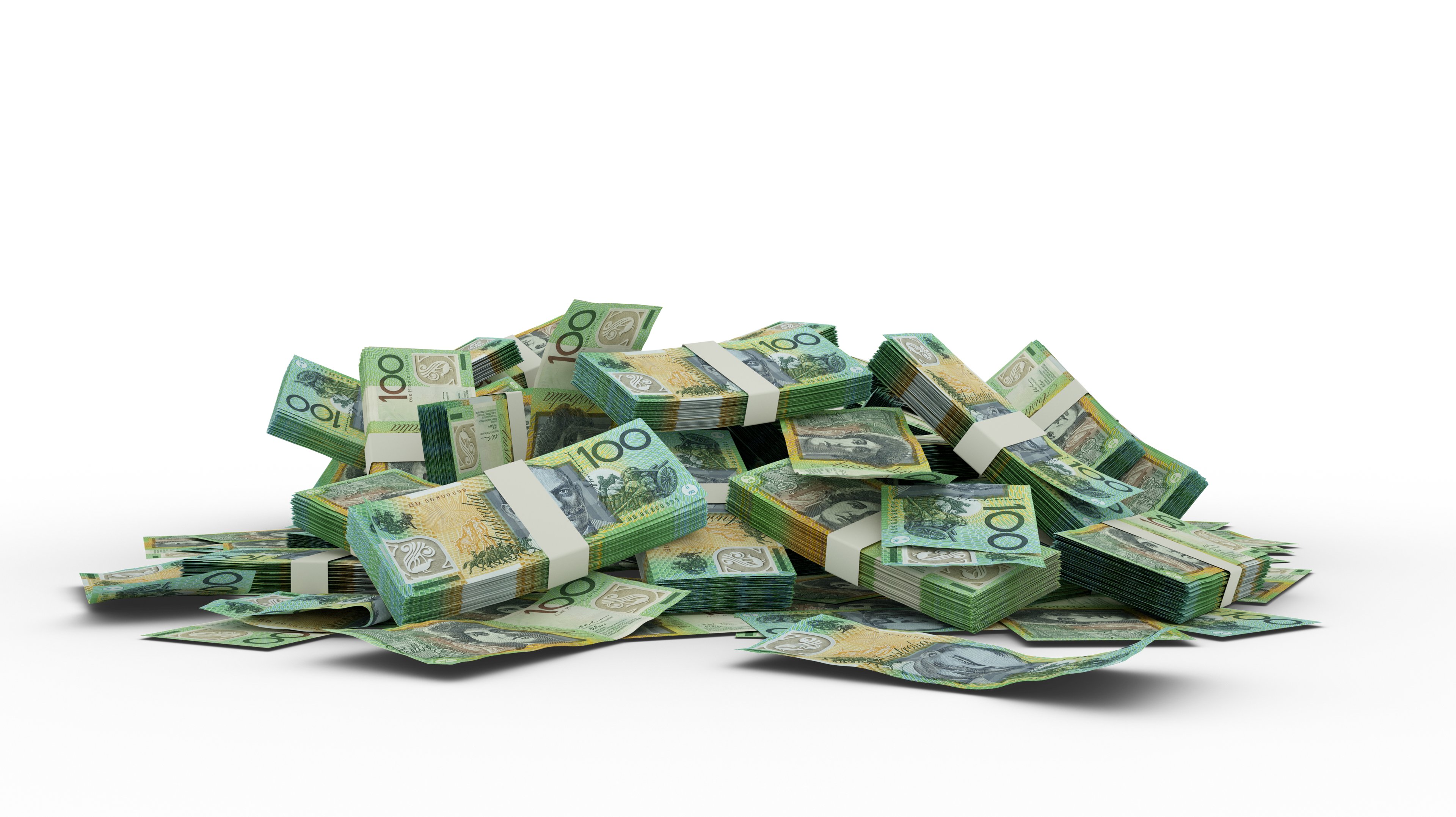
Image source: Getty Images.
Why the cash keeps piling up
The simplest reason is that Berkshire has been a net seller of stocks for more than a dozen quarters in a row, unloading well over $150 billion more in equities than it has bought since late 2022. It trimmed its enormous Apple stake, and it has struggled to find bargains in a market trading near record highs. Buffett built his career on refusing to overpay, and Abel is carrying that discipline forward.
Meanwhile, cash is no longer dead money. With interest rates elevated, Berkshire parks most of its hoard in short-term Treasury bills that now generate enormous income. In fact, the interest on that cash alone earns more in a year than most companies in the S&P 500 make in total profit. So the pile grows from two directions at once: Berkshire keeps selling stock, and the cash it holds keeps compounding.

NYSE: BRKB
Key Data Points
A record cash pile is a high-class problem, but it is still a problem, because cash left idle drags on returns over time. Abel has already signaled he is willing to act, most notably by building a stake worth tens of billions of dollars in Alphabet, a rare and telling move into big technology. That suggests the next major purchase could well carry an AI flavor, an area where Berkshire remains underexposed relative to its size.
Which AI stock might be next
If I had to name the most logical candidate, it would be Taiwan Semiconductor Manufacturing (TSM +0.95%). It fits the Berkshire mold almost perfectly: a dominant, wide-moat business that manufactures nearly every advanced AI chip on earth, gushes cash, and trades at a reasonable valuation, far cheaper than most AI stocks. Best of all, Berkshire already knows it. The company bought a stake in late 2022, then sold it within months, with Buffett citing geopolitical tension around Taiwan as a reason.
Here is why that history matters. Abel has shown more willingness than Buffett to tolerate that kind of risk, and Taiwan Semiconductor has only grown more essential to the AI economy since Berkshire exited. Revisiting a wonderful business it once owned, now at the heart of the biggest technology shift in a generation, would be a very Berkshire thing to do.
Microsoft (MSFT -0.47%), with its enterprise moat and its stake in OpenAI, is another name that fits the mold, one that Buffett largely avoided partly because of his friendship with Bill Gates.

NASDAQ: MSFT
Key Data Points
The caveat worth naming
This is a prediction and is not a certainty, and I would hold it loosely. The same geopolitical worries that pushed Buffett out of Taiwan Semiconductor have not disappeared, and Abel may simply keep hoarding cash until a fat pitch arrives. The real lesson is less about guessing the exact trade and more about the kind of business Berkshire hunts for: durable, cash-rich, and fairly priced.
Berkshire's swelling cash pile reflects patience and discipline, not panic, and it gives Abel enormous firepower for the day the right opportunity appears. When he does deploy, expect a wonderful business bought at a sensible price, and among AI-linked names, Taiwan Semiconductor fits that description better than almost anything else. My honest read is that watching how Berkshire spends this cash will reveal a great deal about how the post-Buffett era intends to invest.