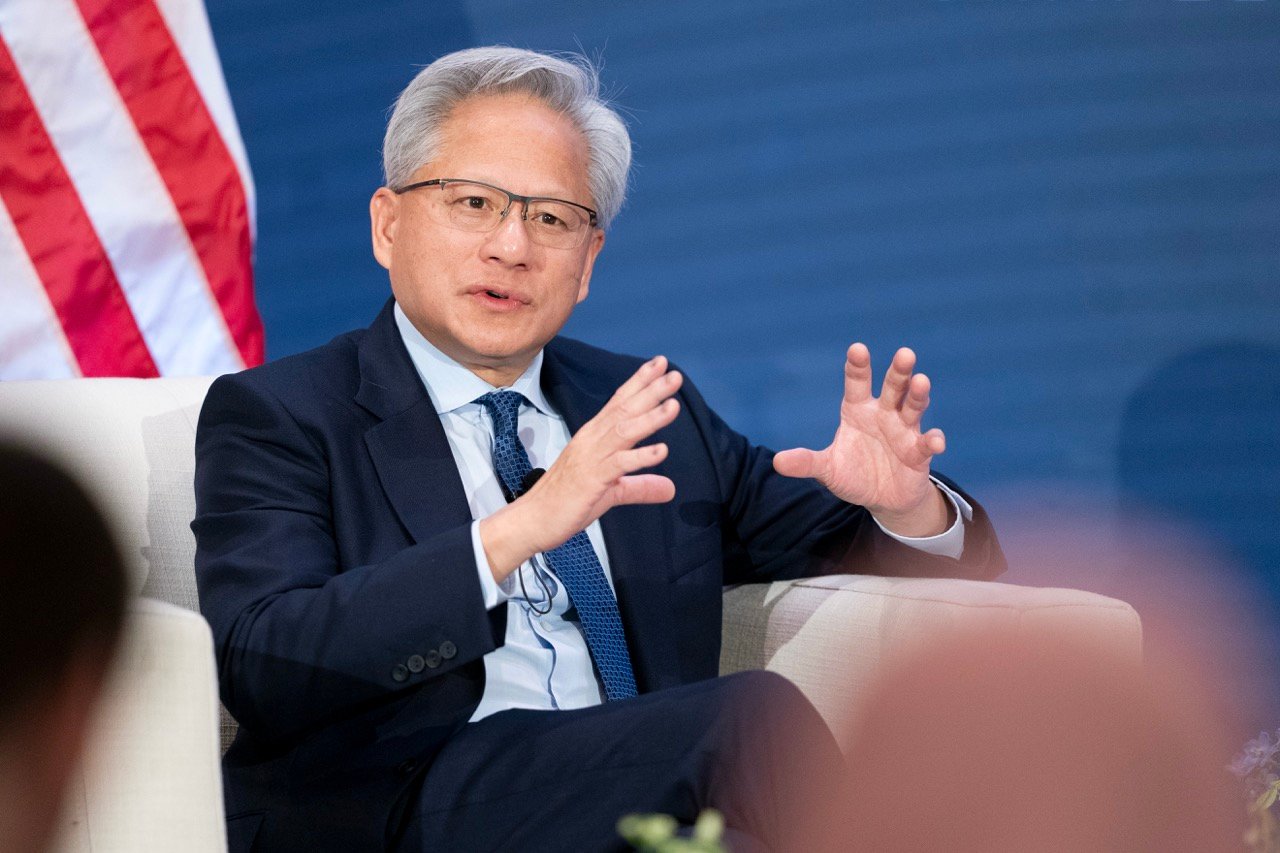
Jensen Huang has become a vocal champion of open-weight artificial intelligence (AI) models, the kind anyone can download, customize, and run themselves. He even organized a letter urging Washington not to restrict them, one that quickly gathered dozens of corporate signatories, including OpenAI and Alphabet.
It sounds like a principled stand for open technology. But for Nvidia (NVDA -0.74%), it is also a shrewd business move, one aimed squarely at expanding the company's total addressable market.
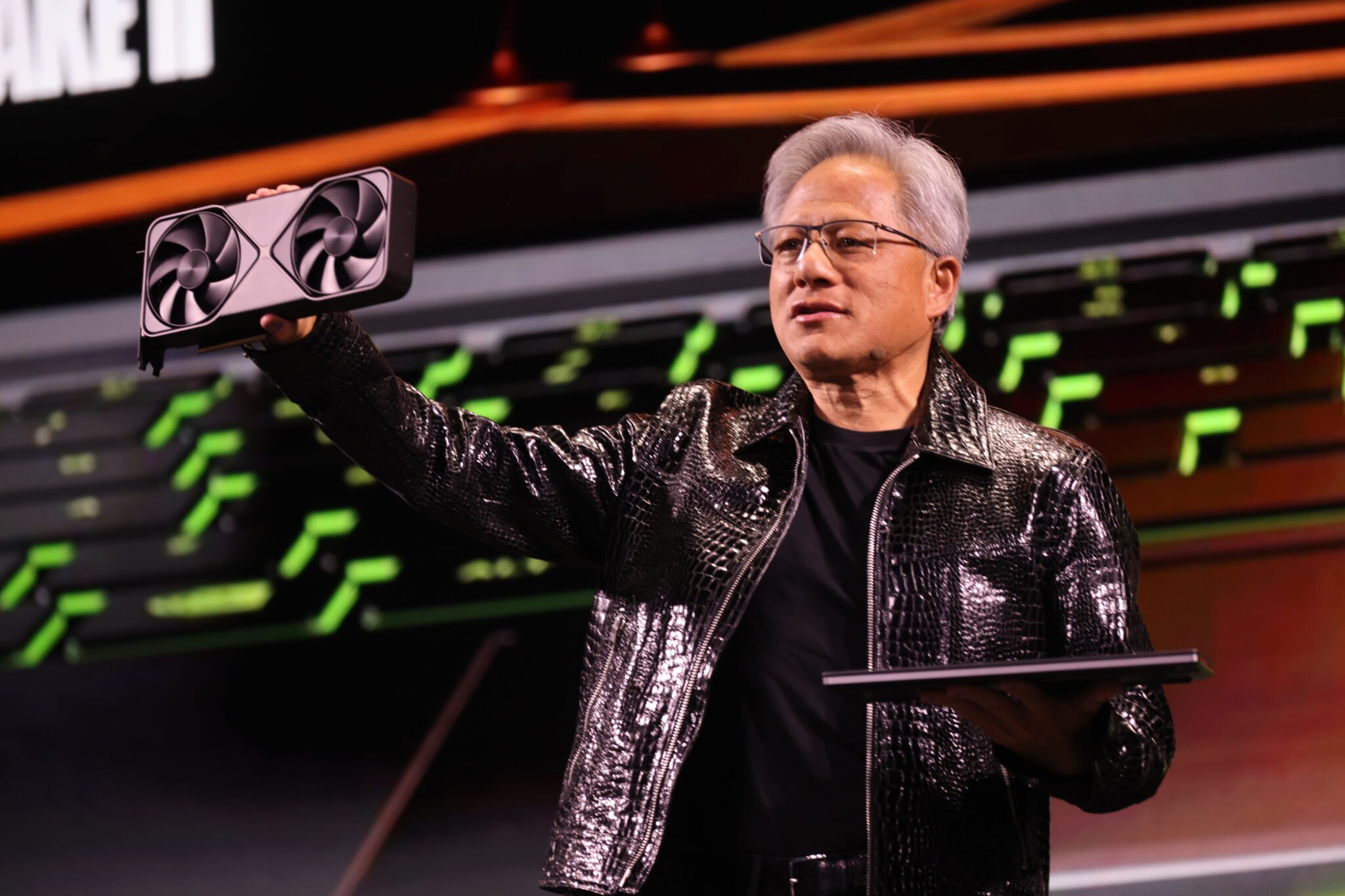
Nvidia CEO Jensen Huang. Image source: Nvidia.
Why open models mean more Nvidia chips
Here is the logic. Closed AI models keep development bottled up inside a handful of well-funded labs. Open-weight models blow that open, letting millions of companies, start-ups, researchers, and even entire countries build and run their own AI. And every one of those deployments needs computing power, the vast majority of which runs on Nvidia's chips.
Huang has pointed out that roughly 1-in-4 AI tokens generated today already come from an open model, and he wants that share to keep climbing. The more places AI takes root, the more Nvidia hardware the world needs.
Nvidia is not just cheering from the sidelines, either. It builds its own open models, releasing its Nemotron family free to the public along with the training recipes and code. Giving away powerful models seeds demand for the one thing Nvidia actually sells: the silicon to run them.

NASDAQ: NVDA
Key Data Points
The strategic logic
Step back, and the strategy is elegant. In my opinion, Nvidia does not care which AI model wins, as long as the world keeps building more of them. Closed models concentrate demand; open models democratize it across the entire economy. By pushing to make AI universal and freely available, Jensen Huang is quietly ensuring that the whole ecosystem, from a solo developer to a national government, runs on Nvidia's platform. His idealism and his order book point in the same direction.
The strategy is not without danger. Open models also let rivals, including China, build competitive AI cheaply, and the gap between the best American and Chinese open models is narrowing. That has stirred real concern about U.S. technological leadership. There is also a subtler risk: Hyper-efficient open models could, in theory, accomplish more with less computing power, softening the very demand Nvidia is counting on.
The takeaway for investors
I read Huang's open-weight crusade as a smart strategy wrapped in principle. It is a bet that making AI universal grows the pie for Nvidia far faster than it feeds its rivals. For investors, it signals a company playing the long game to keep the entire AI economy running on its chips, even if the open-model genie cuts both ways.