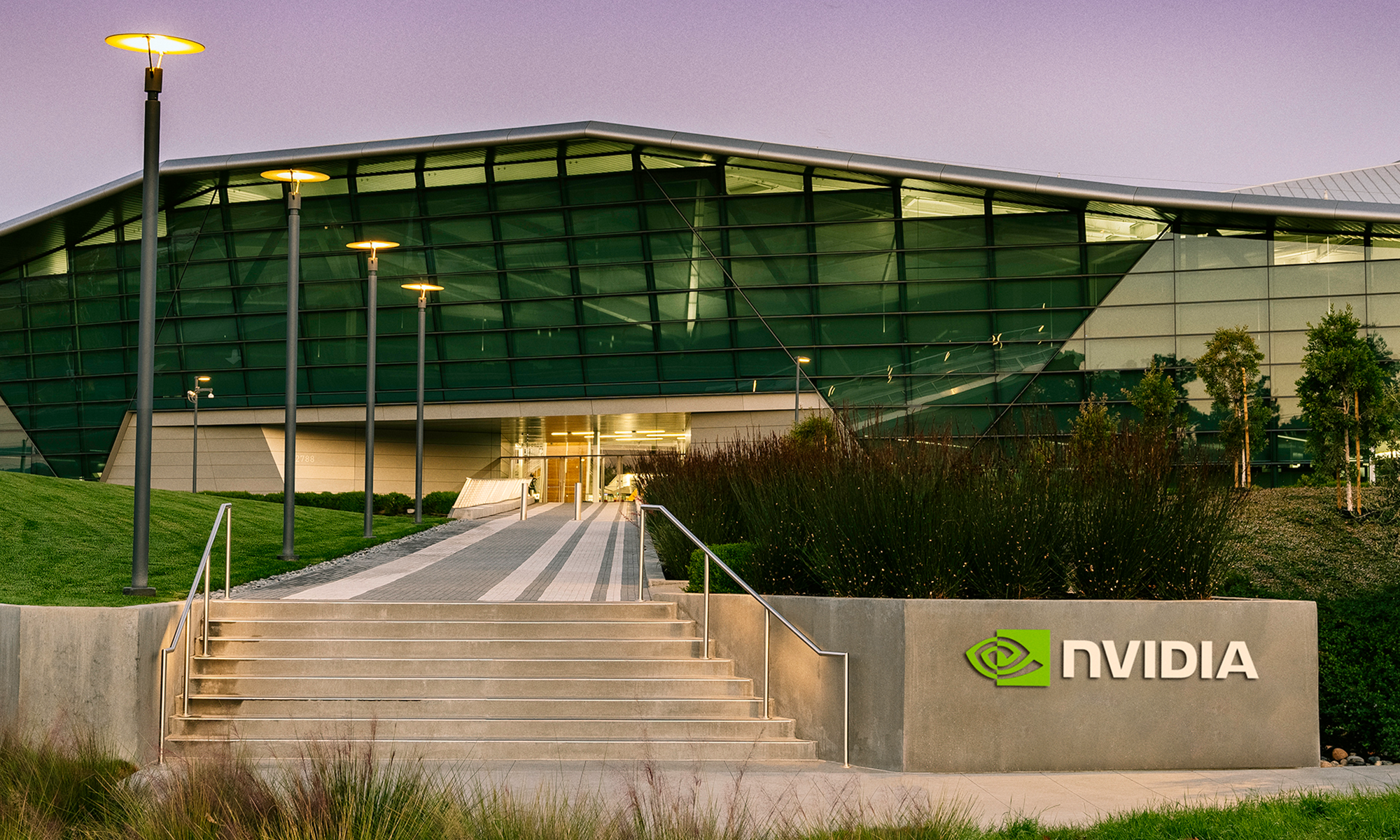
The semiconductor industry has been one of the most lucrative sectors to invest in over the past decade, with three stocks posting gains of over 6,000%. Nvidia (NVDA -0.74%) leads the pack with a more than 14,000% return during that stretch, followed by Advanced Micro Devices (AMD -0.55%) with a gain of over 9,000% and Micron Technology (MU +4.06%) at more than 6,000%.
So, which of these chip stocks still looks like a buy for the next decade? Let's take a closer look at why Nvidia and AMD remain buys, and why I'd pass on Micron.

Image source: Getty Images.
1. Nvidia
Nvidia's decade of dominance stems from its graphics processing units (GPUs) becoming the primary chips for AI workloads, particularly for training AI models. The company created a wide moat in AI model training by seeding its CUDA software platform in places doing early AI research, leading to most foundational AI code being written on its software and optimized for its chips. That moat remains today.
However, the next decade will be about Nvidia's transition from a GPU maker to a full-fledged AI infrastructure company. Networking has been one of Nvidia's fastest-growing businesses, and it has developed its own central processing units (CPUs), which are becoming more important with agentic AI.

NASDAQ: NVDA
Key Data Points
Meanwhile, Nvidia's acquisition of "Groq" and its language processing units (LPUs) earlier this year set it up well for inference. This all allows it to offer complete end-to-end server solutions for specific AI tasks. It has also made important software-layer acquisitions with SchedMD and Hugging Face.
A huge winner over the past decade, Nvidia is well-positioned for the next 10 years, making the stock a buy.
2. Advanced Micro Devices
Despite ceding the AI training market to Nvidia's GPUs, AMD's performance over the past decade has nonetheless been impressive. Many of these gains have come recently, as the chipmaker has positioned itself well in three key markets: inference, agentic AI, and physical AI.
Inference is more memory-bound than compute-constrained, and AMD has made important strides in capturing enterprise workloads constrained by memory availability and costs. Its chiplet designs allow its GPUs to be packaged with more high bandwidth memory (HBM), and it has recently acquired memory optimization company MEXT and inference chipmaker Taalas, which hardwire AI models into its chips. AMD has broken into the inference market with two $100 billion deals with Meta Platforms and OpenAI, as well as a large deal with Anthropic.

NASDAQ: AMD
Key Data Points
In addition to its opportunity in inference, the company is also a leader in data center CPUs. The server CPU market is exploding due to the rise of agentic AI, with Bank of America recently projecting it will rise from $19 billion in 2025 to $180 billion in 2030. That's huge growth, and the Wall Street firm also expects AMD to continue to take market share in the space.
Finally, following its announced acquisition of World Labs, AMD is also looking to tackle the physical AI and robotics markets. World Lab is a leader in the spatial AI models that will eventually play a big role in these markets, positioning AMD to become a strong player in the space.
Given its opportunities in inference, agentic AI, and physical AI, this is a stock to own for the next decade.
3. Micron Technology
Micron has posted spectacular gains over the past decade, with its stock going parabolic since the spring of 2025. These gains are tied directly to surging memory prices, as both DRAM (dynamic random access memory) and NAND (flash) have been in short supply. Much of this is tied to soaring AI demand, especially for HBM, which essentially needs to be packaged with GPUs.

NASDAQ: MU
Key Data Points
But while much of the industry is focused on HBM, Micron has actually benefited from being a next-generation memory laggard. Conventional memory prices have climbed faster than HBM, which has helped Micron's revenue and gross margins skyrocket. But here's the twist: Being the technology laggard isn't a good long-term strategy, and it is most exposed to ordinary memory prices normalizing.
So don't let the stock's cheap valuation fool you; this isn't the memory stock to own over the long term. I much prefer HBM leader and primary Nvidia supplier SK Hynix (SKHY -2.36%).