Rocket Lab (RKLB +0.46%) has had quite a stretch of contract news. On Tuesday, the space company announced a $397 million award from the U.S. Space Force to build, launch, and operate a constellation of its flat-panel Flatellite satellites for the Space-Based Airborne Moving Target Indicator (SB-AMTI) program, a system meant to track airborne threats in real time from orbit.
Shares rose about 6% on the day, though the announcement landed after the closing bell. And the award came just eight days after another one. On July 27, Rocket Lab announced a $266 million contract with the Space Force's Rocket Systems Launch Program for suborbital launches, the largest launch contract in the company's history.
Together, the two awards total $663 million. For a company that guided for second-quarter revenue of $225 million to $240 million, that's nearly three quarters' worth of work landing in about a week.
But to me, the more telling detail is the split between the two contracts. One can fly on rockets the company already launches. The other waits on Neutron, a rocket that has never left the ground.
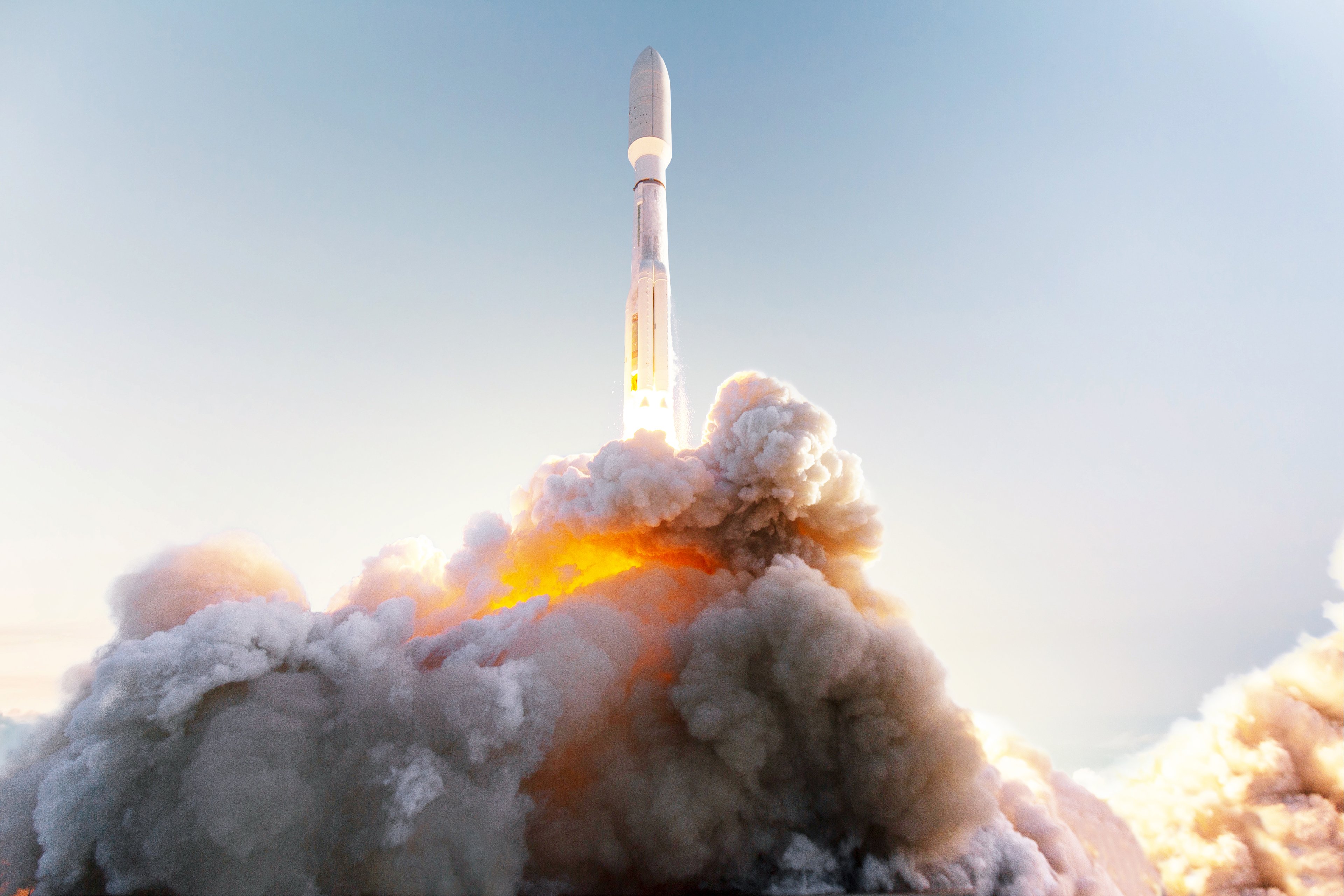
Image source: Getty Images.
The money that doesn't wait
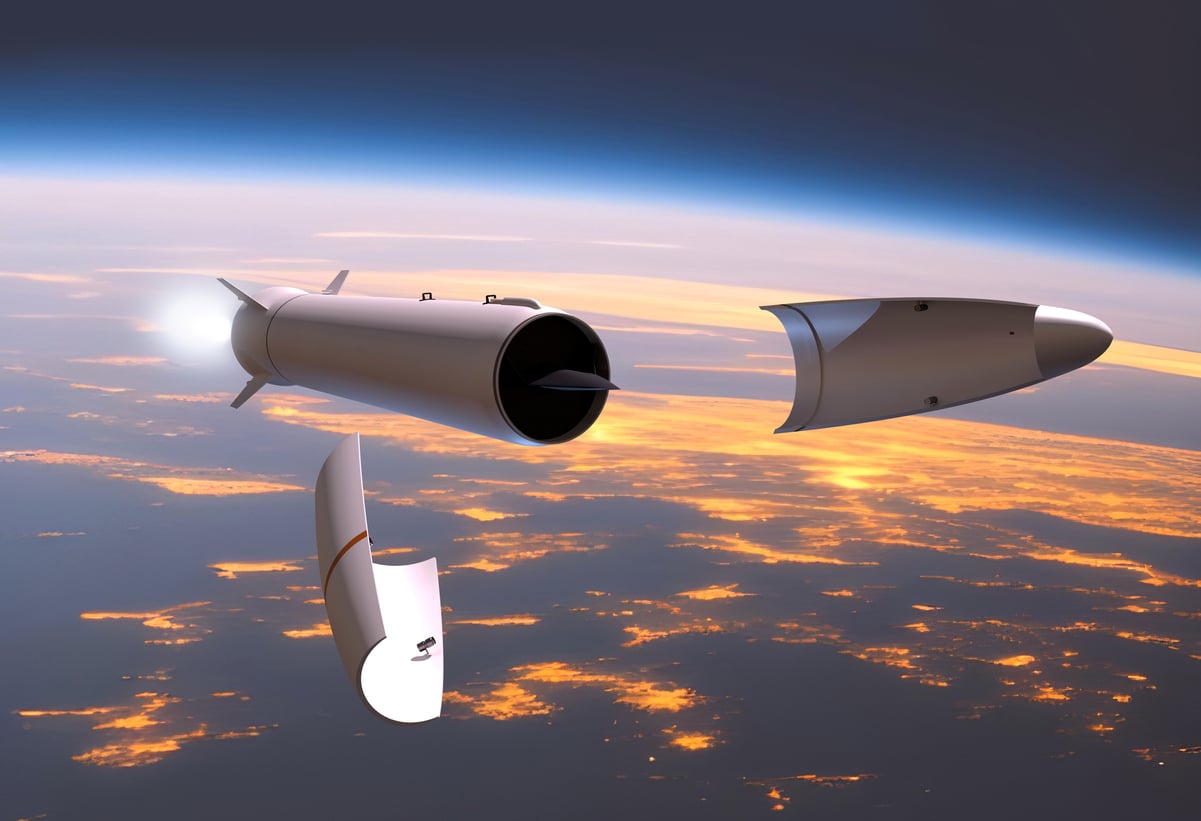
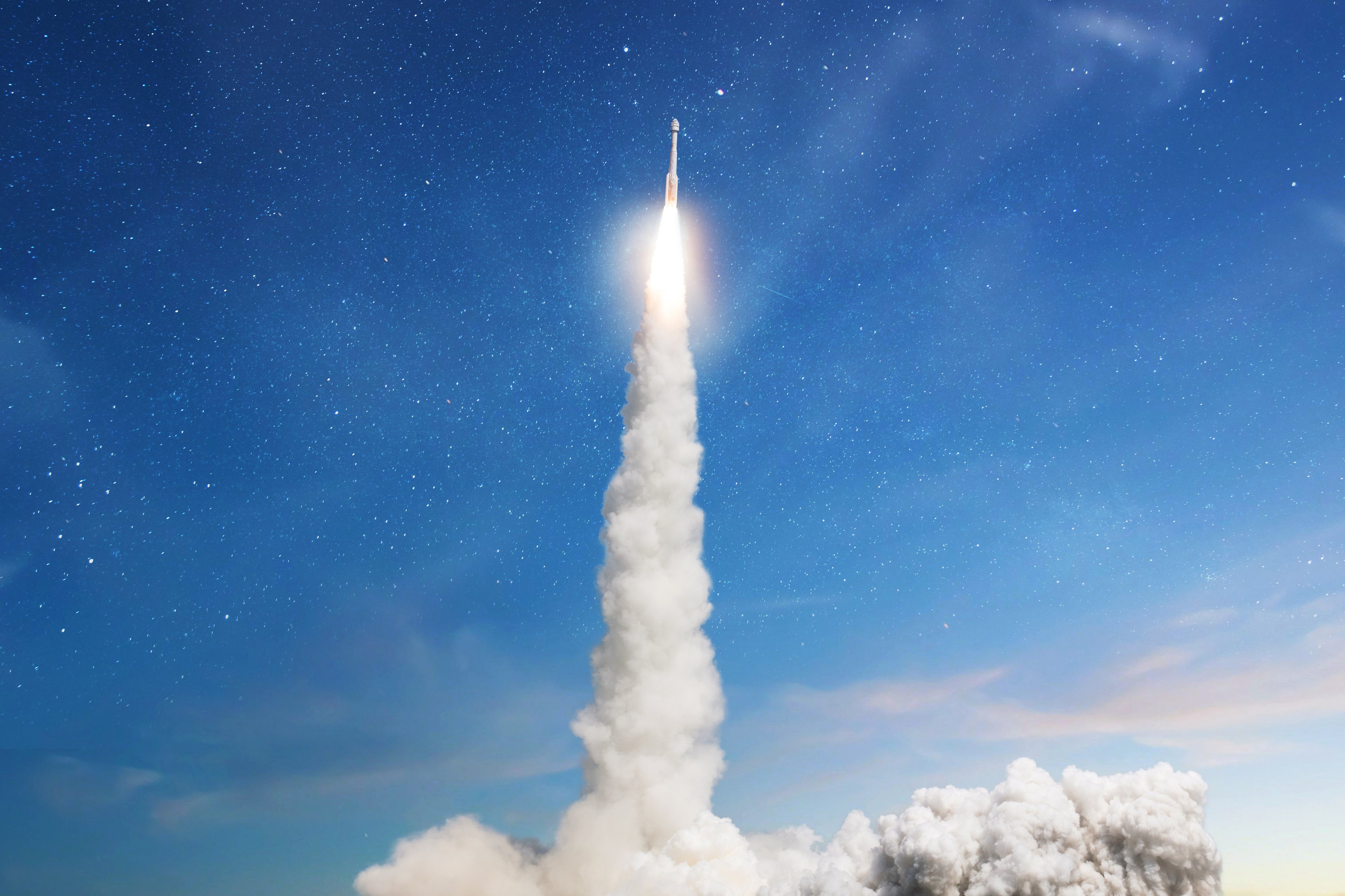
The $266 million contract is about as concrete as new business gets for a launch company. It covers 12 guaranteed suborbital missions for missile defense testing, and options could push the total to 18. Rocket Lab hasn't named the rocket, but its suborbital missions today fly on HASTE, a version of its Electron rocket. Those two vehicles flew a record 21 missions last year with a 100% success rate -- in other words, this work almost certainly rides on hardware that is already flying. The missions will lift off from a new launch site at the Pacific Spaceport Complex-Alaska on Kodiak Island, and the first launch is expected as soon as the end of 2026.
And the win extends an already strong run. In the first quarter, Rocket Lab posted record revenue of $200.3 million, up 63.5% year over year and an acceleration from full-year 2025's 38% growth. Backlog -- the value of contracts still to be fulfilled -- climbed 20.2% from the prior quarter to $2.2 billion, also a record. And guidance calls for another revenue record in the second quarter.
Even more, the company said it sold more launches in the first quarter of 2026 than in all of 2025, bringing its manifest to more than 70 contracted missions. It ended the quarter with access to more than $2 billion in total liquidity, too.
The money that waits on Neutron
The $397 million award is bigger, and it's also a different kind of business. Rocket Lab isn't just providing the ride here. It's building the satellites and operating them in orbit, too -- exactly the vertically integrated model the company has been working toward. The total contract value also includes an option for additional Flatellites.
"Rocket Lab is honored to play a key role in the SB-AMTI program, which is critical to expanding the Space Force's layered, resilient tracking architecture," founder and CEO Sir Peter Beck said in the announcement.
The problem is the rocket. The satellites are slated to fly on Neutron, Rocket Lab's larger launch vehicle, which has not yet flown. Neutron is the company's entry into the medium-lift launch market that SpaceX dominates today. In its first-quarter update, the company said Neutron remains on track for its debut launch later this year, though the schedule has slipped before -- the debut was previously expected in 2025. A further slip could push some of the revenue behind this award out with it.
Of course, both wins came after the second quarter closed on June 30, so they won't show up in the results Rocket Lab reports next Monday, Aug. 10. What I'll be watching for in those results is an update on Neutron -- more closely than the revenue number, because the debut flight is what turns the bigger award from a promise into a business.

NASDAQ: RKLB
Key Data Points
The split is worth remembering at this valuation, too. At a market capitalization of about $45 billion, Rocket Lab trades at more than 65 times its trailing-12-month revenue of about $680 million.
And there's no net income yet -- the company lost about $183 million over that same stretch. As of Tuesday's close, shares sat about 51% off their 52-week high of $151.
So the $663 million divides clearly: $266 million on rockets that already fly, and $397 million gated behind a first flight. But until Neutron flies, I'd rather watch this growth stock from the sidelines. A successful debut, however, could change my mind.