AST SpaceMobile (ASTS +0.15%) had a brutal July. Shares of the satellite company fell 33.6% over the month, while the S&P 500 was mostly flat and the Nasdaq Composite lost 3.2%.
Space stocks were hit hard across the board, dragged down by SpaceX's nearly 37% sell off. Rocket Lab fell more than 35%.
But there were direct catalysts at play as well: a $1 billion convertible debt raise, and a filing that pushed the company's 45-satellite rollout from this year into next.

NASDAQ: ASTS
Key Data Points
A billion-dollar raise and a delayed timeline rattled investors
On July 15, AST announced a proposed offering of $1 billion in convertible notes -- debt that lenders can later swap for shares of stock, which can lead to dilution -- plus an option for another $150 million.
The same day, a filing with the Securities and Exchange Commission (SEC) disclosed that the company now expects to have roughly 45 of its BlueBird satellites up in early 2027. Prior guidance had that happening by the end of 2026, so the filing was essentially an admission that the company is behind schedule.
The market's response was immediate. Shares fell 17% on July 16, on the heaviest trading volume of the month.
The market punished the stock -- but the loan terms weren't all bad
A delayed constellation means delayed revenue, and AST is a company still generating very little of it and burning a whole lot of cash. Adding an additional ten-figure debt while pushing key operational milestones isn't the best look.
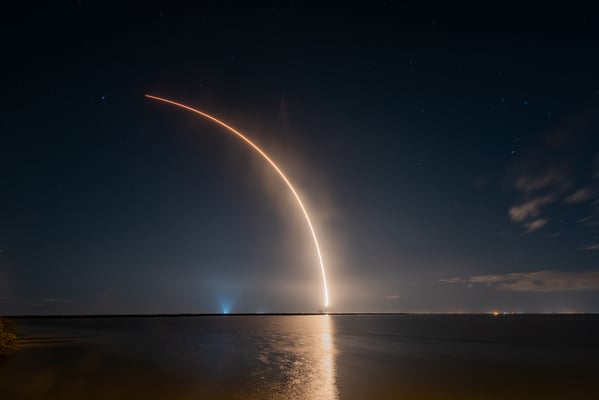
Image source: Getty Images.
To be fair, however, the terms came in better than the market feared. AST closed the deal on July 21, raising $1.15 billion at a 1.625% annual interest rate. The company also put in place what's known as a "capped call," a strategy designed to reduce shareholder dilution if the debt is eventually converted into stock.
SpaceX's post-IPO slide dragged down the entire space sector
After SpaceX's stock rocketed to a peak of more than $225 in the days that followed its June IPO, it spent most of July losing serious ground. It's such a high-profile stock that it seems to have a gravitational pull on the rest of the space market.
Where AST SpaceMobile goes from here
Where things stand: AST expects to have something like $3.8 billion in cash after the raise, which is a substantial reserve, but launching satellites is an expensive business, and that is still likely only 2 to 3 years' worth at current burn rates.
The stock did get a bump late in the month after Scotiabank upgraded the stock from underperform to sector perform. Shares finished July at $58.98 and are up about 16% since, now hovering just above $67.