Nike (NKE +3.02%) had been one of the more successful names in apparel. High-quality products along with innovative marketing helped to build strong customer loyalty, and that drove sales growth for decades. Unfortunately, a series of missteps caused the stock to lose more than three-fourths of its value.
Nike has mitigated the declines and remains a top name in athletic apparel. Still, the question for investors is: Can such efforts lead to a comeback, or should they move on from Nike stock?
Image source: The Motley Fool.
The state of Nike's business
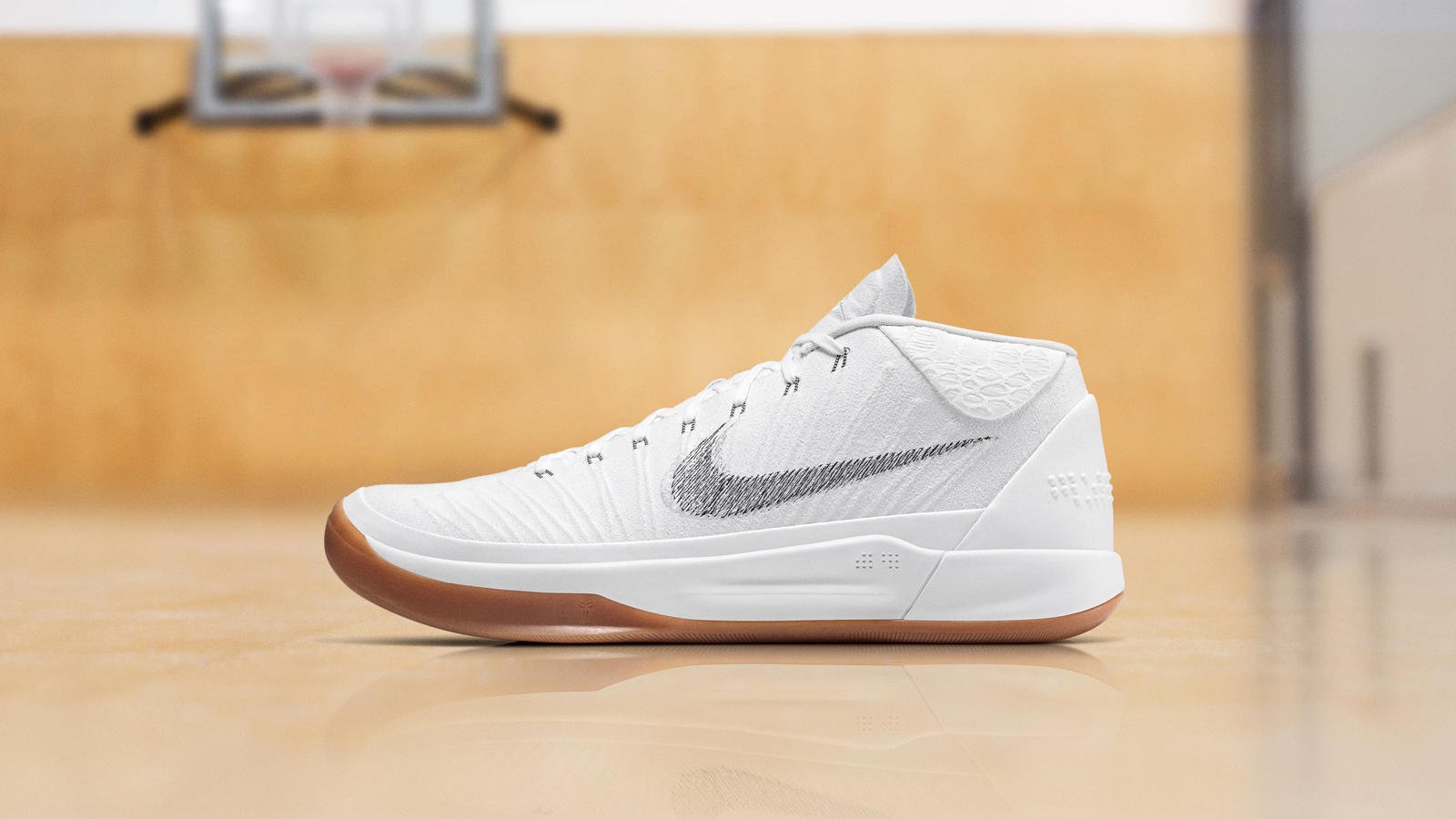
Nike rose to prominence by taking a different approach in a highly competitive industry. By investing in product innovation, Nike made shoes and apparel that were comfortable, fashionable, and durable. Moreover, it invested heavily in celebrity endorsements and marketing, helping it to gain attention and customer loyalty.
Unfortunately, it lost 76% of its overall value, including 36% in the first half of 2026, for a reason. It decided to abandon in-store sales in favor of a direct-to-consumer strategy that was digital-first. This meant it surrendered valuable shelf space inside stores to competitors. It also cut back on product innovation as many of its competitors had become more innovative.
Nike products are again available in brick-and-mortar stores, and it remains the global market share leader, according to Statista. Nonetheless, the damage was done, and now, Nike faces the difficult task of rebuilding its dominance against companies that co-opted its approach or came up with innovative strategies of their own.

Image source: Statista.
So far, it has delivered lackluster results. In fiscal 2026 (ended May 31), revenue of $46 billion was flat compared to last year, and fiscal fourth-quarter revenue fell by 1%. Additionally, its annual net income fell 3% to $3.1 billion, though investors should note that higher income tax expenses caused that decline.
Furthermore, the outlook for the immediate future points to more struggle. Analysts forecast a 2% drop in revenue for the upcoming fiscal year before recovering to a 4% increase in fiscal 2028.

NYSE: NKE
Key Data Points
The silver lining could be its more attractive valuation. Its P/E ratio of 20 is just above multiyear lows. Still, investors will have to ask themselves whether that is cheap enough to buy a declining market leader in a highly competitive industry facing uncertain prospects for recovery.
Is Nike a better buy than the top tech names?
For now, investors should probably avoid buying shares in Nike stock.
Nike's name recognition and market leadership remain, and a comeback is possible. However, the lack of sales growth likely means Nike's market share will fall, at least in the near term. Moreover, it will have to focus aggressively on a turnaround strategy to win over new customers and regain the business it lost to competitors.
Hence, until that turnaround strategy shows clear signs of success, investors should probably not view the consumer discretionary stock as a growth alternative.