ASML (ASML +0.82%) is a linchpin of the global semiconductor market. The Dutch company is the world's largest producer of lithography systems, which are used to optically etch circuit patterns onto silicon wafers. It's also the only producer of extreme ultraviolet (EUV) systems, which are required for producing the world's smallest and most advanced semiconductors.
All of the world's largest foundries -- including TSMC (TSM +0.67%), Samsung, and Intel (INTC -2.37%) -- use ASML's EUV systems to manufacture their top-tier chips. That steady demand makes ASML one of the most straightforward ways to profit from the semiconductor market's growth without investing too heavily in a single chipmaker. That's why ASML's stock has rallied more than 140% over the past 12 months as the AI market expanded.
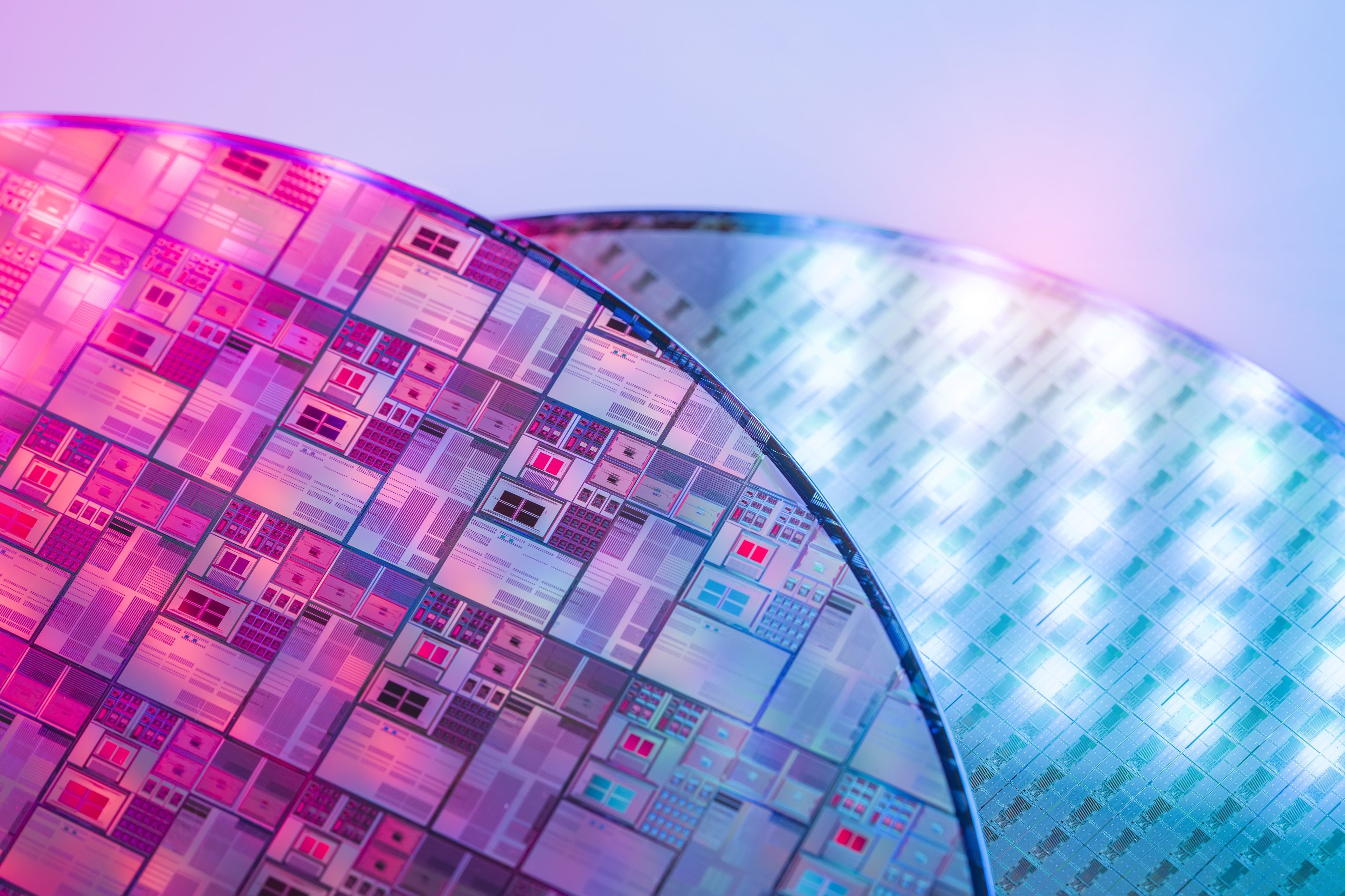
Image source: Getty Images.
But in late July, ASML's stock dipped after The Information reported that an unnamed Shanghai-based company backed by the Chinese government had begun manufacturing its own deep ultraviolet (DUV) lithography systems. Let's see whether that pullback was justified and whether investors should buy the dip.
Does the Chinese market still matter to ASML?
ASML has never shipped a single EUV system to China, and it was officially barred from selling those advanced systems to Chinese chipmakers in 2018. It was still allowed to sell DUV systems in China, which are older and used to produce larger chips.

NASDAQ: ASML
Key Data Points
But over the past four years, ASML was pressured to gradually stop shipping its higher-end DUV systems to China. Today, the company ships only its lower-end DUV systems -- which are used to produce less-powerful chips for the automotive, power management, and Internet of Things (IoT) markets -- to Chinese chipmakers.
As a result, ASML's revenue from China fell from a peak of 41% of its system sales in 2024 (as chipmakers ramped up their orders before the restrictions were tightened) to 23% in 2025. That percentage dropped to just 16% in the first half of 2026, but ASML expects China to still account for about a fifth of its total revenue for the full year.
Therefore, China remains an important market for ASML, even if it doesn't purchase any of its top-tier EUV systems. If Chinese semiconductor equipment makers accelerate their production of homegrown DUV systems, it could hasten the decline of ASML's Chinese business.
But at the same time, its soaring sales of EUV systems -- which are crucial for producing high-end AI chips outside of China -- could easily offset that decline. As a long-term ASML investor, I'd keep an eye on China's development of its own DUV systems -- which was inevitable due to the export curbs -- but I wouldn't sell the stock. Instead, these headline-driven dips could still be good buying opportunities for long-term investors.