The momentum behind artificial intelligence (AI)-linked nuclear energy stocks hit a brick wall in July, sending high-flying names like Oklo (OKLO +1.76%) into a nose-dive.
Shares of the nuclear energy start-up tumbled 25.8% last month, according to data provided by S&P Global Market Intelligence. By the end of July, the drop had wiped about 80% of the stock's value from its October 2025 peak of $193.84.
For a company promising to fuel the AI build-out with fast-fission reactors, winning important approvals from the Department of Energy (DOE), and securing massive partnerships, the sudden mid-summer fallout left many investors asking where the power went.

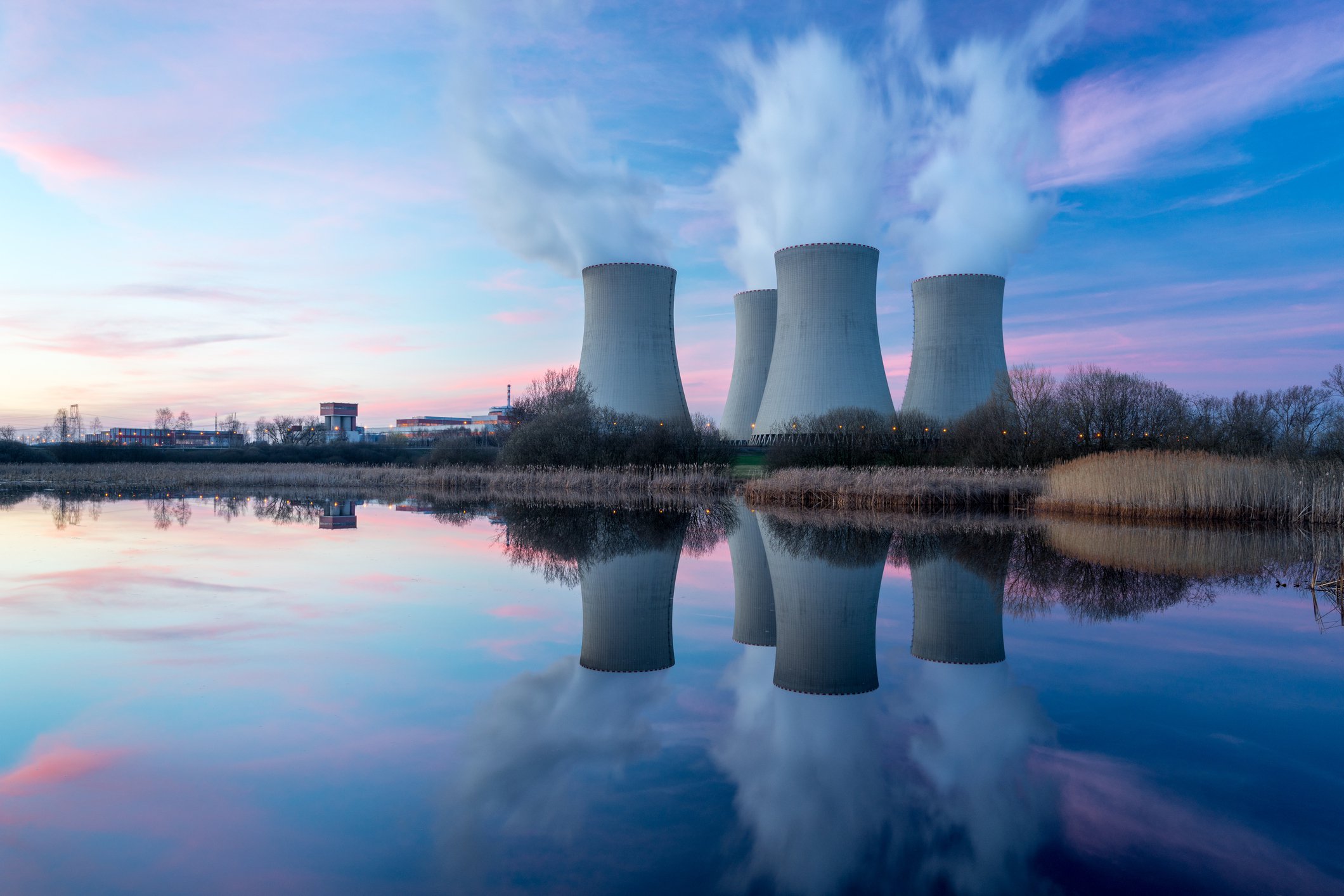
Image source: Getty Images.
The Oklo stock sell-off
Oklo is building fast-fission nuclear power plants called Aurora powerhouses and is still a pre-revenue company.
The nuclear energy stock didn't fall because the company is falling apart. It fell because investors are demanding proof of execution, especially after the company missed a July 4 deadline of achieving criticality (a nuclear reactor reaching a self-sustaining nuclear fission chain reaction) at its first reactor. That was a deadline set by the DOE.
Instead, on July 23, Oklo received start-up authorization for its Groves Isotope Test Reactor, clearing the way for fuel loading and testing.
The missed deadline coincided with a sell-off across the advanced nuclear space, hitting early stage small and modular reactor developers hardest.

NYSE: OKLO
Key Data Points
Shares of Nuscale Power, for instance, fell around 16% in July. In contrast, nuclear energy companies like Constellation Energy and Vistra, which are actually operating large fleetS of nuclear reactors and powering up data centers, logged smaller losses, with Vistra falling only 1% in July. That divergence proves the market wasn't questioning nuclear energy's potential amid the AI boom, but trimming stakes in companies that haven't built anything yet.
The only thing you should know before buying Oklo stock
Oklo achieved first criticality at its Groves Isotope Test Reactor on Aug 6, making it the first reactor under the DOE's Reactor Pilot Program to achieve criticality on private land built on a greenfield site from scratch.
Isotopes are chemical elements used for cancer treatment, medical imaging, industrial radiography, and space exploration. Oklo is among the few companies developing a domestic supply chain for isotopes.
Oklo shares rallied after the update, which coincided with its second-quarter earnings release, but seem to be struggling to sustain momentum.
Oklo's Q2 net loss doubled to $48.5 million, with earnings of $0.28 per share missing analysts' estimates by a wide margin. Oklo also raised its full-year cash-use guidance, now expecting to burn $120 million to $150 million in operating activities and $400 million to $500 million in capital spending, both well above prior targets.
Analysts are debating Oklo's costs and cash burn. Analysts from Truist Securities, for instance, just cut the stock's price target to $51 per share from $55 a share.
Oklo doesn't expect to deploy its first Aurora powerhouse before 2028, and is itself calling that target "ambitious", citing a range of "supply chain, construction, macroeconomic, and design complexities."
That's not analyst skepticism. It is the company's own risk estimate, and something anyone who wants to invest in Oklo stock should bear in mind.