The much-anticipated initial public offering (IPO) of Space Exploration Technologies (SPCX +1.89%) and its aftermath have been a roller-coaster ride for investors. While shares initially surged, they are now down by 41% from the all-time high of roughly $226 they reached in mid-June, and below where they opened on their first day of trading. But is the stock on track for more downside or a long-term rebound? What might the next five years have in store?
SPCX Space Exploration Technologies
NASDAQ · As of 4:00 PM ET 10/23/26
Space is no longer the key growth driver
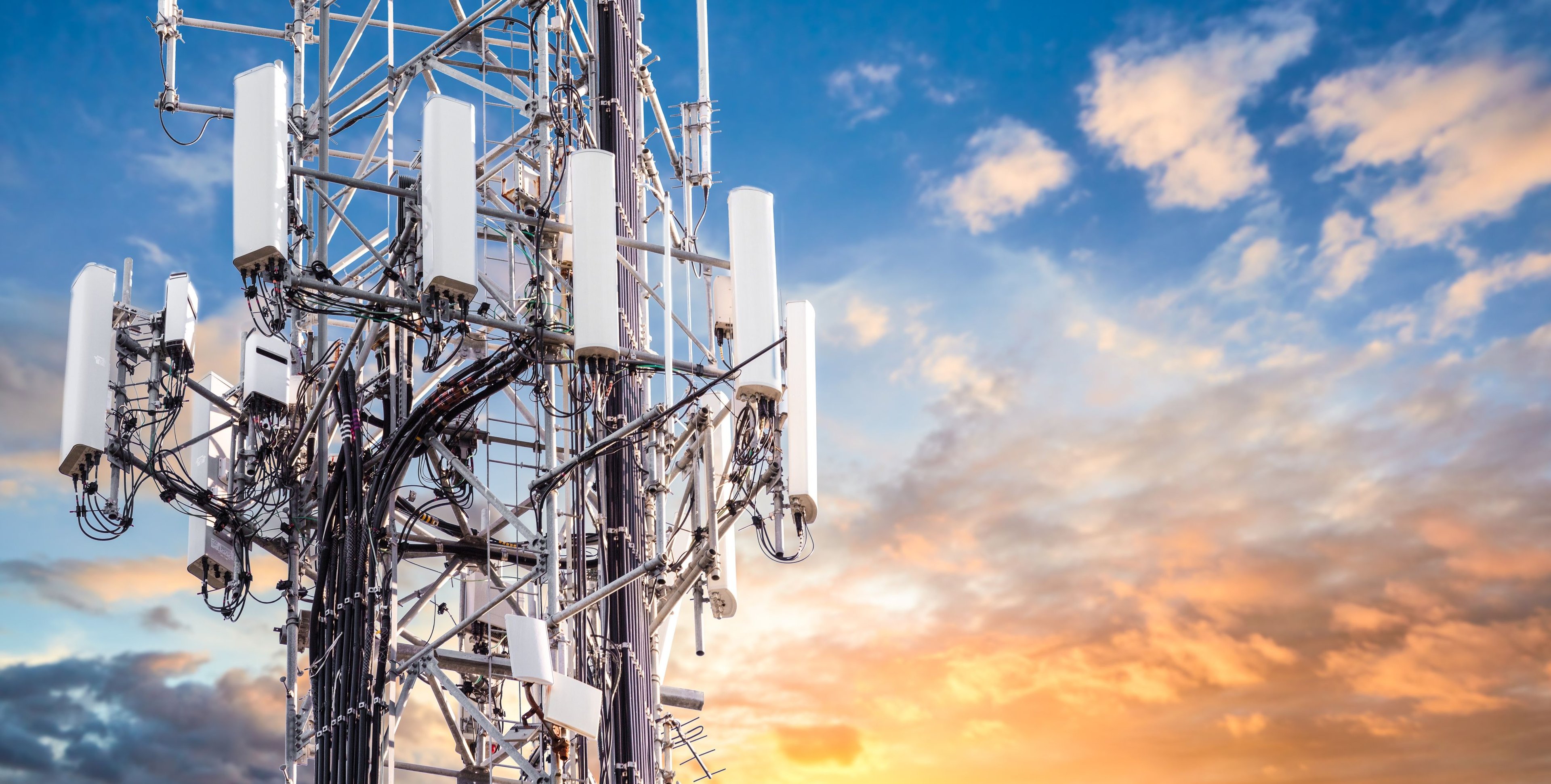
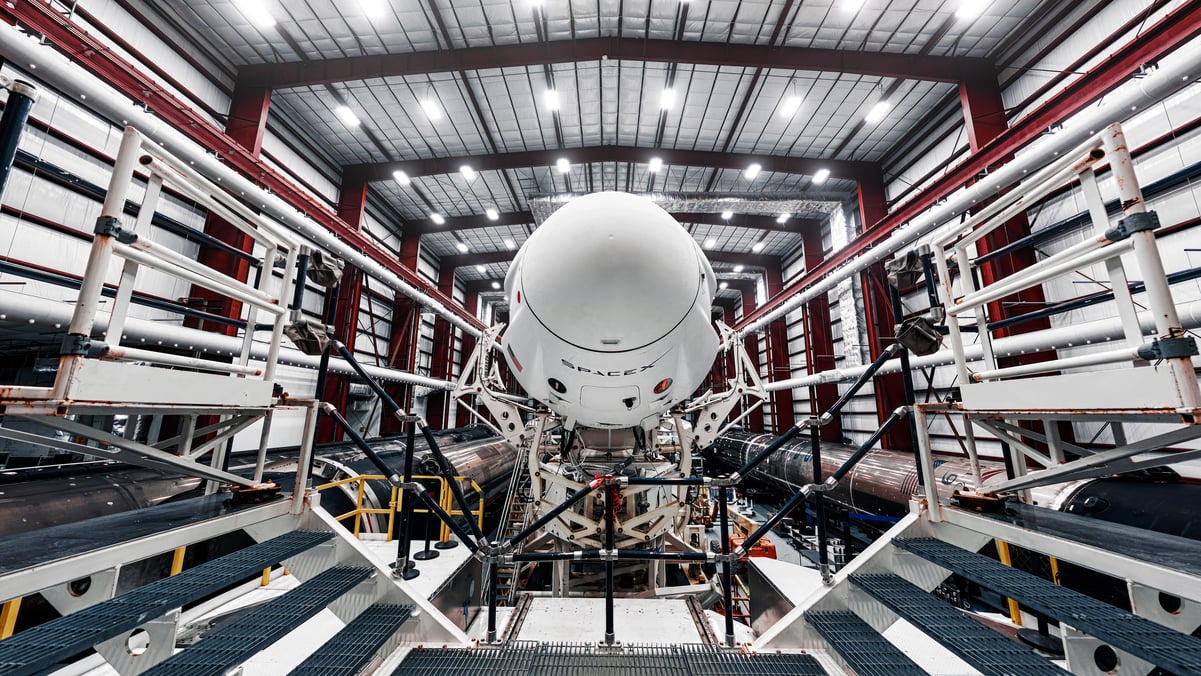
When it was still a privately held company, SpaceX became known for its industry-leading rocket-launch business. It developed some of the world's largest and most powerful rockets, capable of transporting high-value payloads and even humans to space. It also developed a leading satellite-based broadband internet solution called Starlink that brought wireless connectivity to the most remote areas on Earth.
Both of these businesses are still important. In the second quarter, the space and connectivity segments combined represented just over 67% of SpaceX's total revenue. However, the company's burgeoning AI business is likely to be the bigger story over the next few years.
In February, SpaceX purchased CEO Elon Musk's social media and AI company xAI in an all-stock transaction that valued it at $250 billion. The deal gave the combined entity access to xAI's frontier large language model, Grok, and to the company's enormous hardware resources. These include the Colossus supercomputing facilities, which boast over 1 million Nvidia H100 graphics processing unit (GPU) equivalents.
Is AI an opportunity or a mistake?
SpaceX's pivot to AI gives it substantial new revenue opportunities. The benefits of this are already beginning to show. For example, Q2 revenue soared 92% year over year to $7.81 billion, helped by an eye-popping 248% increase in sales from the company's AI segment as clients clamor for access to its hardware.
SpaceX has signed a series of high-profile deals, including one that will see Anthropic renting out the computing capacity of roughly 325,000 Nvidia GPUs from its Colossus data centers for $1.25 billion each month. The company has a similar deal with Alphabet's Google worth $920 million per month. In the best-case scenario, these contracts could net SpaceX an eye-popping $26 billion in annual revenue, practically ensuring high-double-digit percentage top-line growth for the next few quarters.

Image source: Getty Images.
SpaceX's leadership also has plans to keep the company dominant over the longer term. It is working alongside Musk's electric vehicle maker, Tesla, to build a massive semiconductor manufacturing facility called Terafab, which is expected to eventually produce 1 terawatt (TW) of AI compute capacity per year (more than the current global supply), with the chips to be divided between the two companies.
While that ambitious chip manufacturing plan sounds great, it won't come cheap. The capital investments SpaceX and Tesla will need to put into the first phase of Terafab are expected to be $16.8 billion. Furthermore, a regulatory filing in May revealed that the total capex required could soar to $119 billion if all the planned additional phases are completed. This represents more than a tenth of a trillion dollars in capital that could have been used for other projects or returned to investors via stock buybacks or dividends. The success or failure of this project will have an immense effect on the company's stock performance.
What will the next five years look like?
Over the next five years, SpaceX looks likely to continue experiencing breakneck top-line growth as it scales up its AI infrastructure business. That said, the boom almost certainly won't last forever, because the companies that are currently spending the largest sums on computing power are already shifting toward designing their own chips. Rising competition in the AI processor space will likely bring down growth and margins across the industry.
While SpaceX's price-to-sales (P/S) ratio has plunged from roughly 116 in June to 61 today, it still looks very elevated compared to the S&P 500's average P/S ratio of 3.8. Investors might want to wait for more information before considering a long-term position in the stock.