Shares of electric vertical takeoff and landing (eVTOL) company Joby Aviation (JOBY -2.02%) have slipped from a high of $20/share last year to just $7.58 a share today.
That's a drop of 62%: one of the steepest in the eVTOL industry. It's even worse than rival Archer Aviation's (ACHR -0.66%) 58% slide from its all-time high.
Could Joby be in danger of having to issue a reverse stock split, and soon? Here's what we know.

Image source: Joby Aviation.
Stock splits are often good signs...
In a "normal" stock split, a company swaps one existing share of stock for multiple new shares. This increases the number of outstanding shares, but reduces the value of each share accordingly.
The most common type of forward stock split is a 2-for-1 split, in which every existing share is replaced with two new shares. If the existing shares trade for $100 each, the two new shares would each trade at $50, so an investor holding 10 existing shares (a $1,000 value) ends up with 20 new shares, still worth $1,000.
According to a 2019 study by Pomona College economics professor Gary Smith, stock splits usually have positive effects on shareholder returns. But, he found, that isn't because they made the share price more affordable. "The more compelling argument," Smith concluded, "is that corporate stock splits signal a board's confidence in their company's prospects."
...but reverse stock splits are seen as bad omens
In a reverse stock split, the opposite happens.
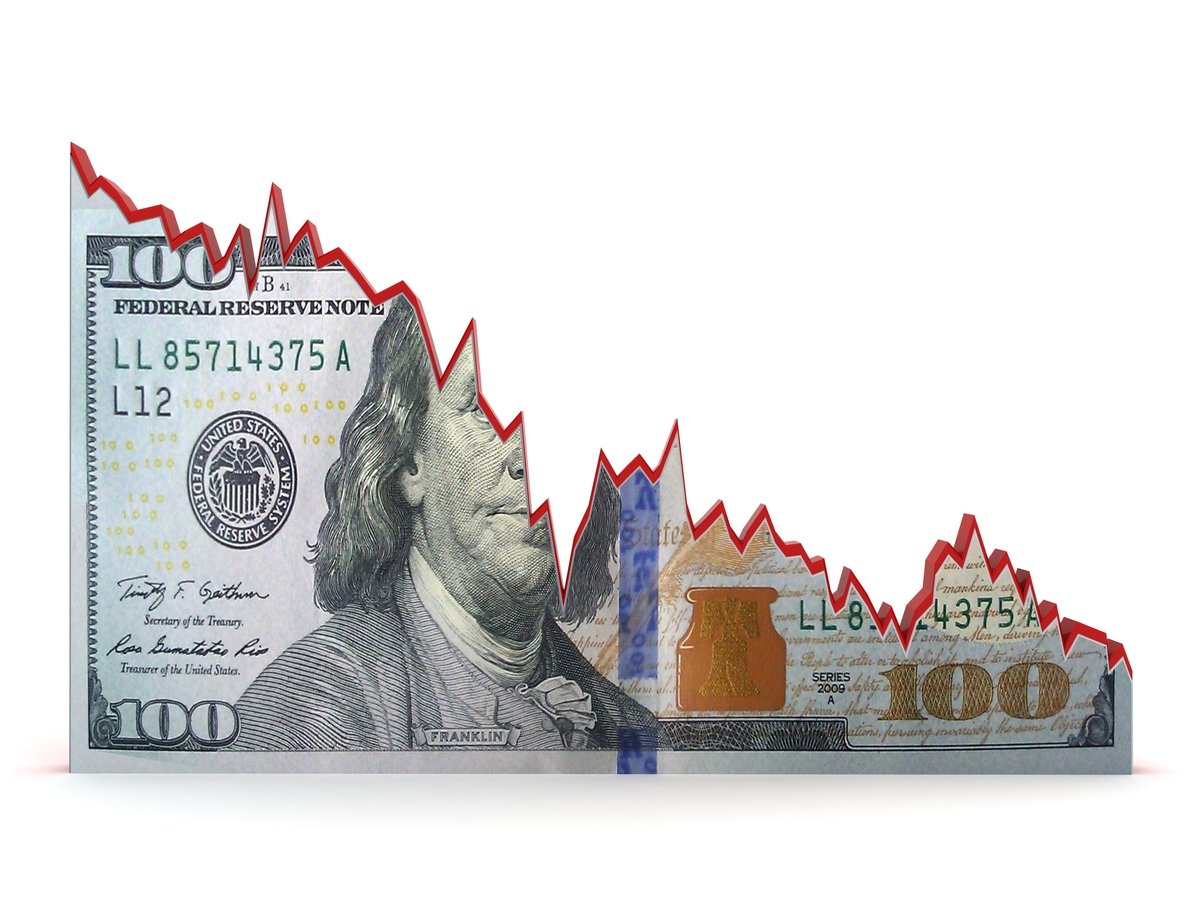
Image source: Getty Images.
Instead of exchanging multiple new shares for a single existing share, a company exchanges a single new share for multiple existing shares. So, if a company with a $100 share price were to do a 1-for-2 reverse split, an investor holding 10 existing shares (a $1,000 value) would end up with 5 new shares, each worth $200 (still a $1,000 value).
Often, troubled companies use reverse stock splits to prevent their stock prices from falling below a certain threshold. For example, companies listed on the New York Stock Exchange (NYSE) are required to have share prices above $1 per share. A company with a share price of $1.50 might do a 1-for-4 reverse split to raise its stock price to $6 per share, well above the $1-per-share minimum.
Is Joby likely to do a reverse split?
Even though Joby's stock has fallen sharply from its highs, a reverse stock split doesn't seem likely for the company right now.
Joby trades on the NYSE. Its current stock price of about $7.58 per share is nowhere near that $1-per-share minimum threshold. In addition, the company's shares have traded much lower in the past, hitting just $3.18/share in late 2022 and $4.54 per share in mid-2024, without a reverse split.
JOBY Joby Aviation
NYSE · As of 11:56 AM ET 10/23/26

Plus, Joby's management is trying to project confidence that the company's best days are just around the corner, with Founder/CEO JoeBen Bevirt citing "meaningful progress on certification, partnerships, infrastructure, and commercial readiness" in the most recent earnings release. A reverse split would undermine that confidence.
All this makes a reverse split by Joby very unlikely anytime soon.