Lowe's Companies (LOW -1.51%) recently reported its fiscal second-quarter results. This covered the period that ended on July 31. What do the company's sales and earnings tell us about the company's long-term growth prospects and total return potential? Let's take a closer look at the results.

Image source: Getty Images.
A look at the results
There's no getting around it. Lowe's second-quarter sales were weak. Its same-store sales (comps) were essentially flat, growing a scant 0.2%. Management blamed the tepid sales result largely on macroeconomic pressures that have affected do-it-yourself homeowners' willingness to take on projects. Positively, sales to professional contractors, an area of focus, were strong.
In the near term, management doesn't expect sales growth to pick up. It now anticipates flat comps for the year, down from its previous expectation of 0% to 2%.
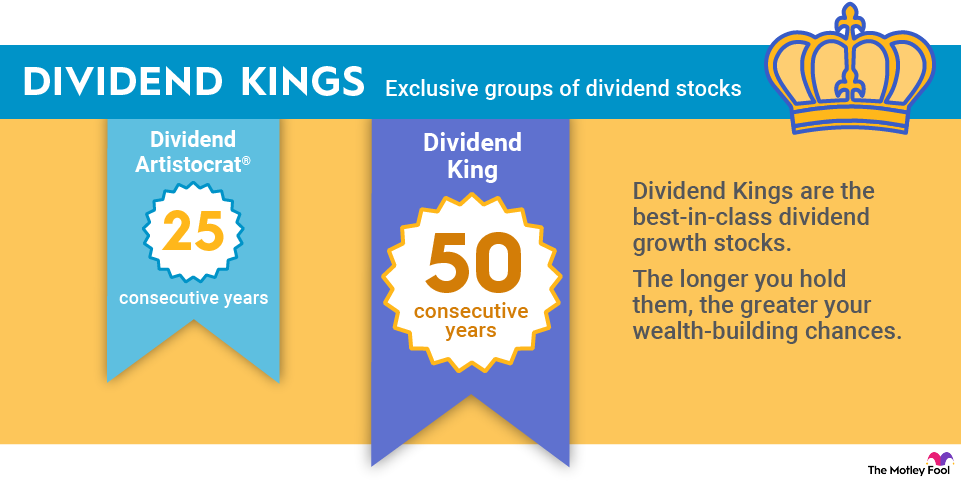
Still, shareholders can confidently rely on dividends. Lowe's has raised the payout annually for more than a quarter of a century. Most recently, it increased the quarterly dividend by more than 4% to $1.25 per share. At the new rate, Lowe's shares have a 2.3% dividend yield. That's more than double the S&P 500 index's 1.1% yield.
With investors concerned about recent results, the shares have lost value and underperformed the market. Lowe's stock lost 10.4% this year through Aug. 21. During this period, the S&P 500 gained 12.1%.

NYSE: LOW
Key Data Points
The downward price movement has created a better valuation, however. The price-to-earnings (P/E) ratio has dropped from 20 to 18 during this time. That's also lower than Lowe's 10-year median P/E of 21. Lowe's also has a much lower P/E multiple than the S&P 500's 30.
The company's relatively high dividend yield, strong history of raising payouts, and attractive valuation make Lowe's a buying opportunity.