The S&P 500 may still be hitting new highs, but some stocks, including a few high-yield dividend stocks, have recently hit new lows. For these stocks, investors have soured on their long-term prospects. They expect them to wind up as "yield traps" or "value traps," where the stock's high yield proves fleeting or potential losses outweigh gains from their quarterly cash payouts.
Some of these stocks deserve these labels, but there are a handful where the market has arguably gone overboard with bearishness: Crown Castle (CCI +1.04%), Gaming & Leisure Properties (GLPI +0.45%), and Smithfield Foods (SFD +0.27%). Here's why.

Image source: Getty images
With Crown Castle, near-term worries contrast with long-term forecasts
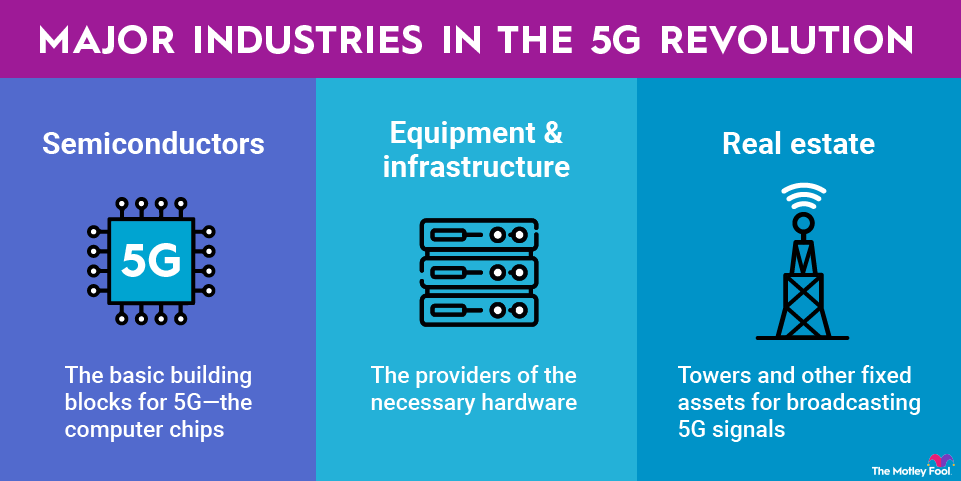
Crown Castle is a real estate investment trust (REIT) specializing in the ownership of cellphone towers. At current prices, this infrastructure REIT has a forward dividend yield of around 5.6%.
Yes, management slashed the quarterly dividend back in 2025, from around $1.56 per share to $1.06 per share, in conjunction with a restructuring that included the sale of Crown Castle's fiber and small-cell tower business. This divestiture provided $8.5 billion for the REIT to pay down debt and increase share repurchases, but reduced operating cash flow.
Add in other issues, such as declining results, plus concerns about potential future competition from satellite-based networks like Space Exploration Technologies' StarLink, and it's no surprise Crown Castle shares have tumbled by around 26% over the past year. Still, the issues dragging down results today could prove temporary. Long-term forecasts call for Crown Castle's earnings to bounce back in the coming years. While you collect a 5.6% dividend today, in the long-run dividend growth and price appreciation could make this an even higher-yielding investment.
Gaming & Leisure Properties is another victim of casino slowdown worries
Gaming & Leisure Properties owns and leases out casino real estate. Regional casino operator Penn Entertainment is its main tenant, but the REIT also owns regional properties operated by PENN's competitors like Bally's. Recently, shares have hit new lows, on growing worries about a gaming industry slowdown. As a result of the pullback, Gaming & Leisure Properties now sports a nearly 7.5% forward dividend yield.
However, even if the gaming industry's prospects worsen, it's questionable whether this would affect dividend growth for Gaming & Leisure Properties. Its triple-net leases are subject to annual escalations. Even during the pandemic, casino operators honored lease agreements, continuing to pay during temporary shutdowns. This REIT also recently increased its quarterly payout by 5%.
Low payout ratio lowers "yield trap" fears with Smithfield Foods
Smithfield Foods shares recently tumbled after releasing quarterly results. Despite the company reporting 26.6% net income growth, investors reacted negatively to the meat processor's latest guidance revisions. Macroeconomic headwinds, such as inflation, continue to negatively affect meat demand.
However, Smithfield's relatively low payout ratio suggests that its high dividend yield of 5.6% may be sustainable. Currently, Smithfield has a payout ratio of around 51%. Compare that to competitor Hormel Foods, which has a payout ratio nearing 75%.
If Smithfield can sustain its dividend and ride out the current meat industry downturn, it could come out the other side trading at much higher prices than it does today. Other factors, such as Smithfield's further pivot toward branded products, as evidenced by its pending acquisition of Nathan's Famous, also suggest improved long-term results.