Target (TGT -0.01%) closed at $163.18 on Friday, Aug. 28, up about 70% year-to-date but still down roughly 33% from its level five years ago.
The recovery this year has been sharp. Over the trailing 12 months, it is up 71.18%. That said, five years ago, Target stock traded at $249.18, so the five-year performance remains negative at 33.46%, and the market capitalization sits near $75.38 billion.
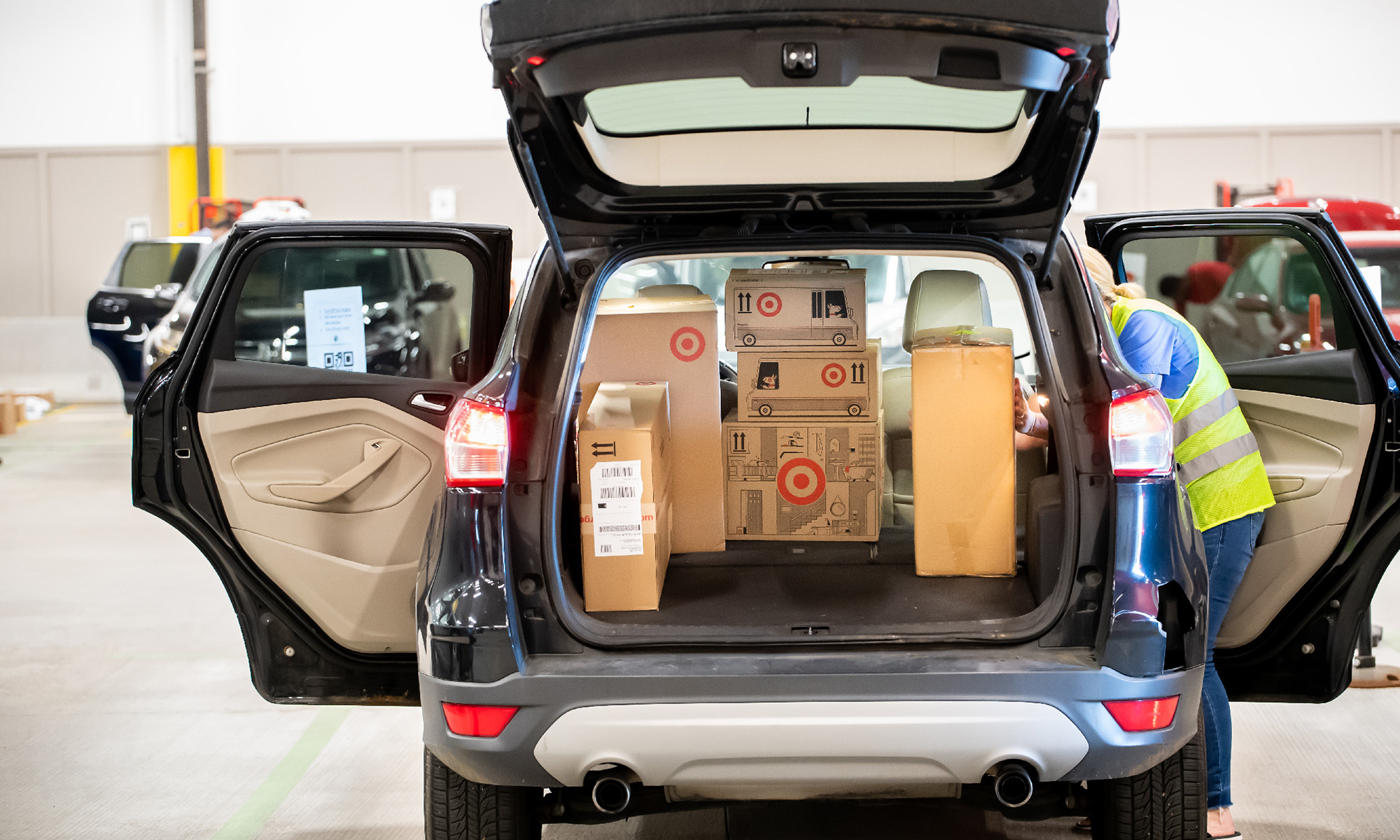
Image source: Target.
The new CEO
The story this year is really about Michael Fiddelke, a 20-year Target veteran who took the CEO job on Feb. 1. Instead of promising a quick fix, he laid out a multi-year strategy built around four priorities: leading with merchandising authority, elevating the guest experience, accelerating technology, and strengthening teams and communities. His framing has been consistent since March. Style, design, and value sit at the center of every decision, and the changes will not all land at once.
Fiddelke has been honest about the timeline. He told analysts the turnaround "will take some time" and noted that categories like apparel and home are only growing slightly, though he sees "the green shoots of a good guest response" where the work has already started.

NYSE: TGT
Key Data Points
Rebuilding the stores themselves
Target is spending roughly $5 billion in capital this year, more than $1 billion above last year, on more than 130 full store remodels and more than 30 new stores. The company calls it a bigger transformation of its stores than at any point in the past decade, with open layouts that make it easier to navigate and discover products. Many remodels bring expanded dry grocery, bigger fresh and frozen sections, and displays built to spotlight new styles and collaborations. Target opened its 2,000th store in Fuquay-Varina, North Carolina, in March, as part of a plan to open 300 new stores by 2035.
In addition to capital spending, Target is investing an incremental $1 billion in operating investments, including hundreds of millions of dollars in additional store payroll and training. That matters because the complaints that drove shoppers away were about empty shelves, long checkout lines, and stores that felt tired.
Fixing the merchandise problem
Target announced in March that it would invest an additional $2 billion on top of a previously announced $4 billion to address merchandising issues that drove customers to competitors. The company has cut prices on more than 10,000 items over the past year, and said about 95% of its school supplies were priced below last year's rates, with better in-stock levels.
Merchandising leaders are overhauling weak categories, including home decor and apparel, adding fresher, trendier groceries, a dedicated display for higher-end makeup, and a wider assortment for sports fans. Fiddelke has also hinted at more to come, including beauty studios in more than 600 stores.
Some of the most interesting work is happening outside the traditional retail model. Target Plus, the invitation-only marketplace, now hosts more than 1,500 vetted brands and has crossed $1 billion in gross merchandise value, with a stated goal of $5 billion by 2030. Recent additions include Clarks, Forever 21, Serta, and LovelySkin.
Roundel, Target's retail media network, can target shoppers based on verified first-party purchase behavior across both online and in-store activity, which is a genuine advantage over probabilistic audience targeting. Target Circle 360, the $99-per-year membership, bundles unlimited same-day delivery with free two-day shipping. Together, these higher-margin businesses are growing faster than the core retail operation.
Does the recovery have further to run?
My honest read is that the easy part of Target's recovery has already happened. What would push the stock meaningfully higher is evidence that remodeled stores hold their sales lift, that apparel and home turn from "growing a little" into real contributors, and that Target Plus and Roundel keep compounding. Fiddelke himself has framed this as a multi-year project rather than a single good year, and the gap back to the old $249 peak will take more than a few strong quarters to close.