Green Thumb Industries (GTBIF +0.13%) had a rough second quarter. Comparable-store sales for the cannabis purveyer fell 1.1% from a year earlier, while gross margin dropped sharply to 45% from 49.9%.
Earnings before interest, taxes, depreciation, and amortization (EBITDA) also fell to $53.1 million from $69.1 million, as pricing pressure and increased competition continued to weigh on several of Green Thumb's key markets.
Revenue did increase 4.6% to $306.7 million, so the quarter wasn't a complete disaster. But declining comparable sales and shrinking margins aren't exactly what you want to see from one of the largest cannabis companies in the country.
Still, there's reason for optimism. Here's why.
The numbers aren't as bad as they look
In Q2, Green Thumb's retail revenue increased 3.6%, while consumer packaged goods gross revenue increased 3.7%. Growth in Minnesota, Connecticut, Florida, Ohio, and New Jersey helped offset price compression and increased competition elsewhere. The bigger weakness showed up in margins.

OTC: GTBIF
Key Data Points
Gross profit declined to $137.9 million from $146.3 million, while gross margin fell nearly five percentage points. Still, normalized EBITDA reached $84.3 million, up from $82.7 million a year earlier. Green Thumb also produced $29 million in operating cash flow and reported generally accepted accounting principles (GAAP) net income of $4.9 million.
The company finished June with $283.6 million in cash against $283 million in total debt. And during the quarter, management repurchased approximately 7.9 million shares for $48.3 million, at an average price of $6.11. Since beginning its repurchases, Green Thumb has bought back roughly 29.5 million shares for $203.4 million. That's not the balance sheet of a cannabis company fighting for survival.
Virginia could provide the next growth spurt
Virginia approved recreational cannabis sales beginning July 1, 2027, with up to 350 retail licenses eventually permitted. Green Thumb already operates in Virginia's medical market, where it holds one of five vertically integrated licenses. It has six dispensaries and cultivation and processing infrastructure already in place.
Management has already expanded capacity in anticipation of adult-use legalization and is evaluating additional investment ahead of next year's launch. To be sure, Virginia won't transform Green Thumb overnight. But it could provide a meaningful new source of revenue at a time when mature cannabis markets are struggling with price compression.
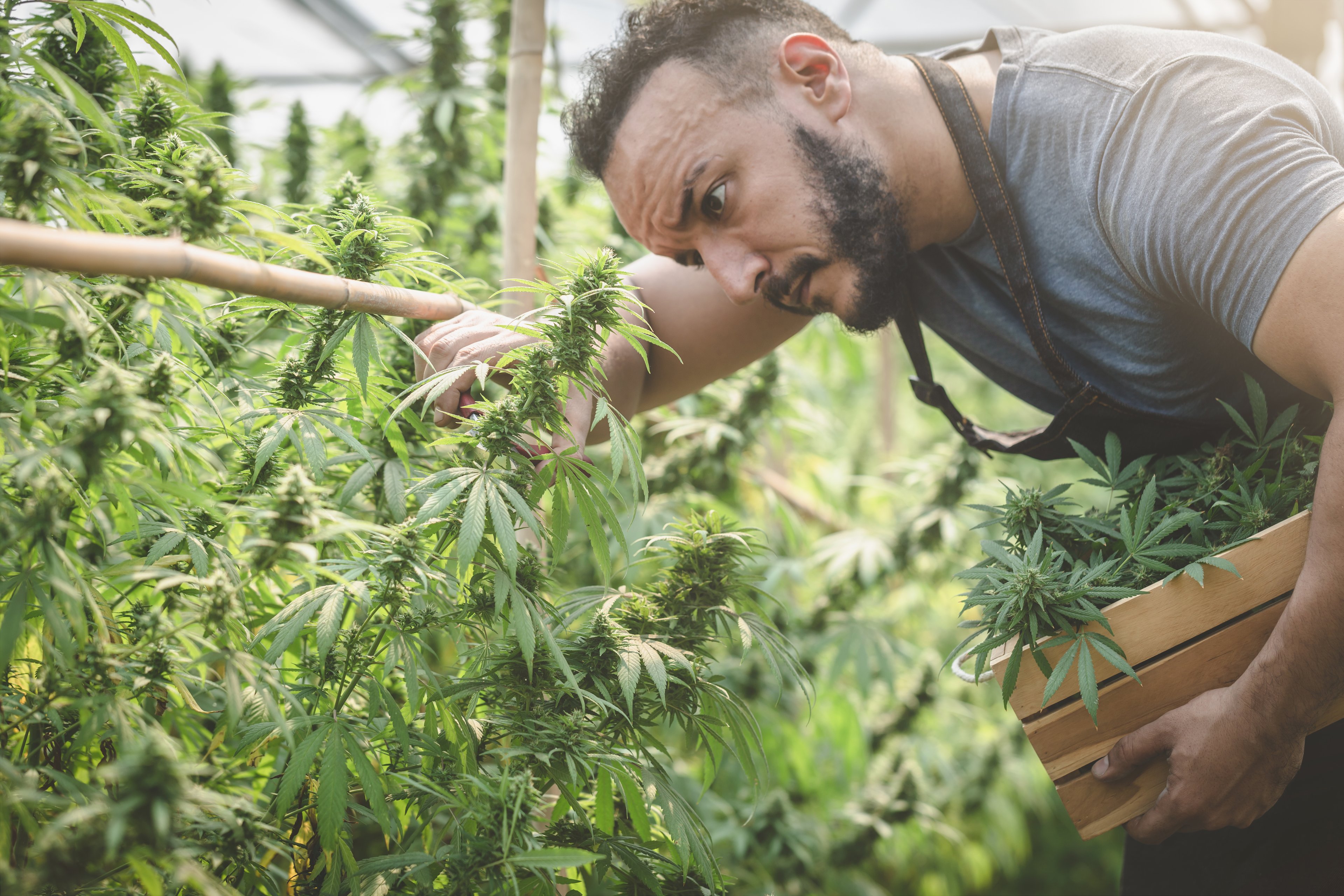
Image source: Getty Images.
And then there's Texas
Green Thumb recently received a conditional dispensing organization license under the state's expanding Compassionate Use Program. Texas isn't legalizing recreational cannabis, but expanded medical access allows Green Thumb to establish itself in one of America's largest states before the market potentially opens further.
Texas and Virginia combined represent roughly 12% of the U.S. population. And Green Thumb doesn't need either market to become another California for the opportunity to matter. It simply needs incremental growth while its existing operations continue generating cash.
The setup is getting better
The federal government rescheduled marijuana on April 28, ending the application of Section 280E to portions of Green Thumb's business. That provision had prevented cannabis businesses from deducting many ordinary operating expenses, creating an unusually heavy tax burden.
Now combine potential tax relief with moves in Virginia and Texas, continued share repurchases, and a balance sheet carrying nearly as much cash as debt, and Green Thumb starts looking considerably more interesting in the coming years.