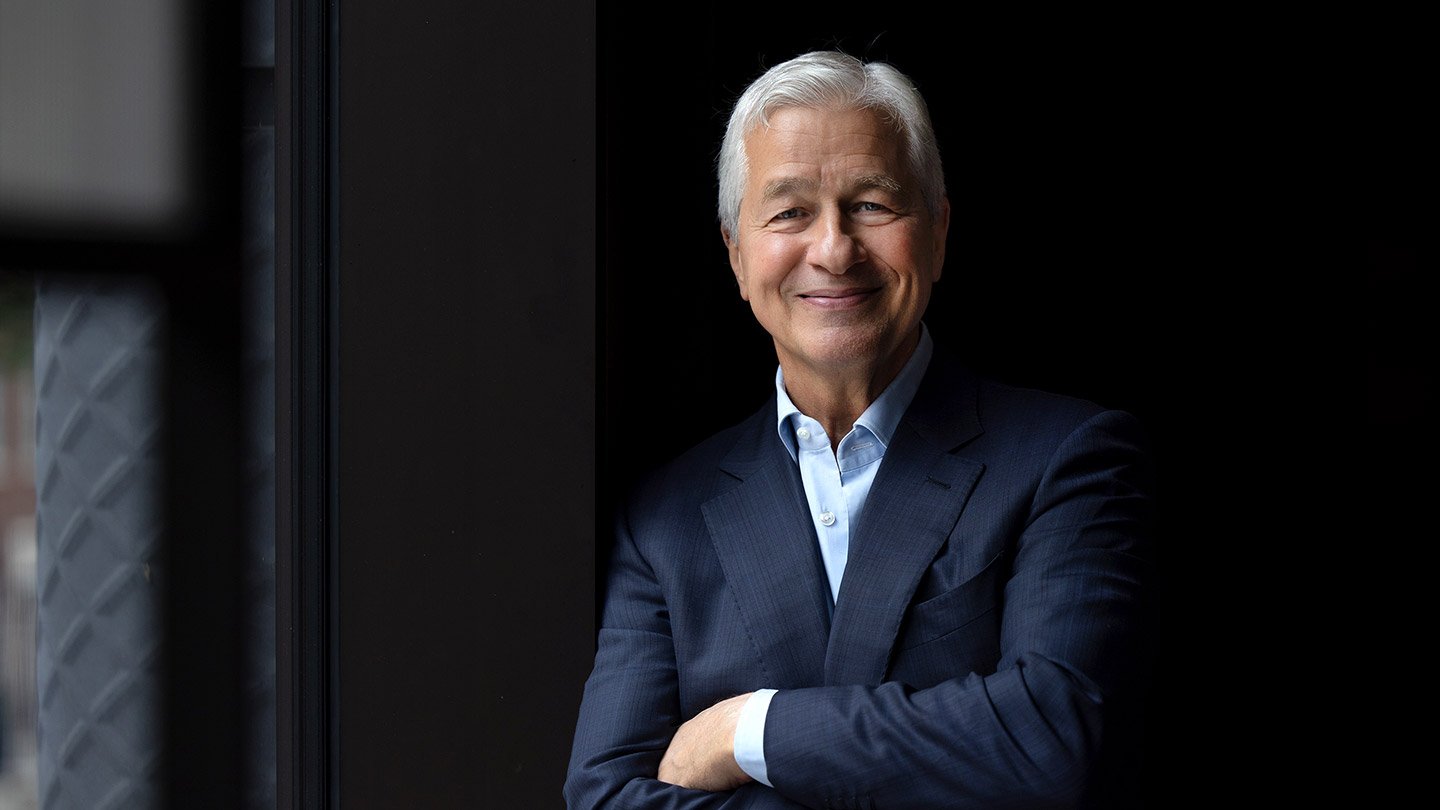
JPMorgan Chase (JPM -1.89%) is one of the world's largest financial institutions. It has been run by Jamie Dimon since Jan. 1, 2006. He has also been the chairman of the board since 2007. In other words, he steered JPMorgan Chase through the very difficult Great Recession and oversaw the business's material growth since that deep economic downturn. There's a reason why Wall Street gives him high marks for his stewardship. But is that a potential risk when he eventually steps aside?
JPMorgan Chase has had a great run
Most large U.S. banks were hit hard by the 2007-2009 recession that nearly brought the world's financial system to its knees. Like many of its peers, JPMorgan Chase cut its dividend during the downturn, but it quickly began growing it again. Some of the company's biggest peers took much longer to recover. That's a testament to Jamie Dimon's leadership and shareholder focus, with the stock now closing in on a $1 trillion valuation.
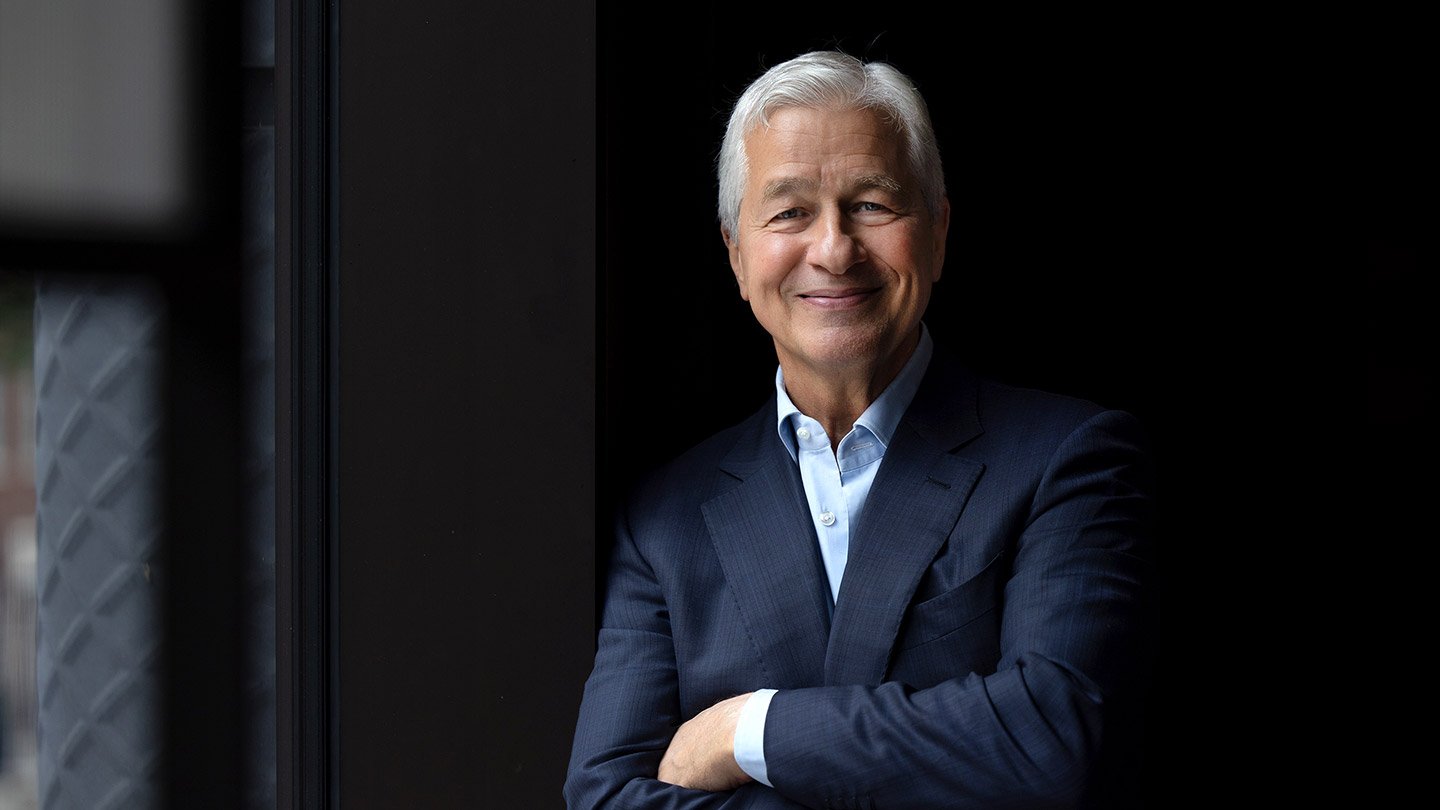
Image source: JPMorgan Chase & Co.
Today, Wall Street listens to every word Jamie Dimon utters with extreme interest. For example, when he recently warned about increasing market risk in JPMorgan Chase's second-quarter earnings release, it was headline-grabbing news. When a CEO has this much prominence, investors can give the companies they oversee a bit of a premium. Some are concerned that this is the case with JPMorgan Chase today.
That's not an unreasonable assessment. JPMorgan's chase's price-to-earnings ratio is 15.5x as of this writing, versus a five-year average of 11.5x. Its price-to-book ratio is 2.7x compared to a longer-term average of 1.8x. So, historically speaking, the stock appears to be trading at a premium. That valuation story gets even worse when you compare JPMorgan Chase to the average bank, which has a P/E of 11.6x and a P/B of 1.3x.

NYSE: JPM
Key Data Points
What could go wrong with the JPMorgan Chase premium?
So long as Jamie Dimon sticks around, there's no particular reason to worry about a "Jamie premium" going away. But at 70, he's far closer to retirement than he was in 2006, when he was roughly 50. He will eventually step away from the CEO role, leaving his successor with very large shoes to fill. If you own JPMorgan Chase because of Jamie Dimon's astute leadership, you might want to consider taking some profits, given the stock's elevated valuation.
That said, if Jamie Dimon steps aside before the next recession hits, the risk of Wall Street revaluing the shares could be even bigger in a downturn. Investors trust Dimon; they won't know what to think of the next CEO until that person has proven their management chops. This is a case where good leadership may expose investors to increased risk because emotionally driven investors are placing so much trust in one person.