My prediction for one of the biggest winners of the next decade isn't an artificial intelligence (AI) ETF. It doesn't own Nvidia, Microsoft, or any of the semiconductor stocks. Instead, it invests in something that the AI revolution can't happen without: energy.
More specifically, uranium. That's why I like the Sprott Uranium Miners ETF (URNM +3.34%). The International Energy Agency (IEA) predicts that global data center electricity consumption will increase to roughly 945 terawatt-hours in 2030. That would be more than double the demand from just six years earlier.
Investors have spent the past few years searching for the companies that will dominate the AI landscape. But supplying enough electricity to power all those data centers could become an equally important investment opportunity.
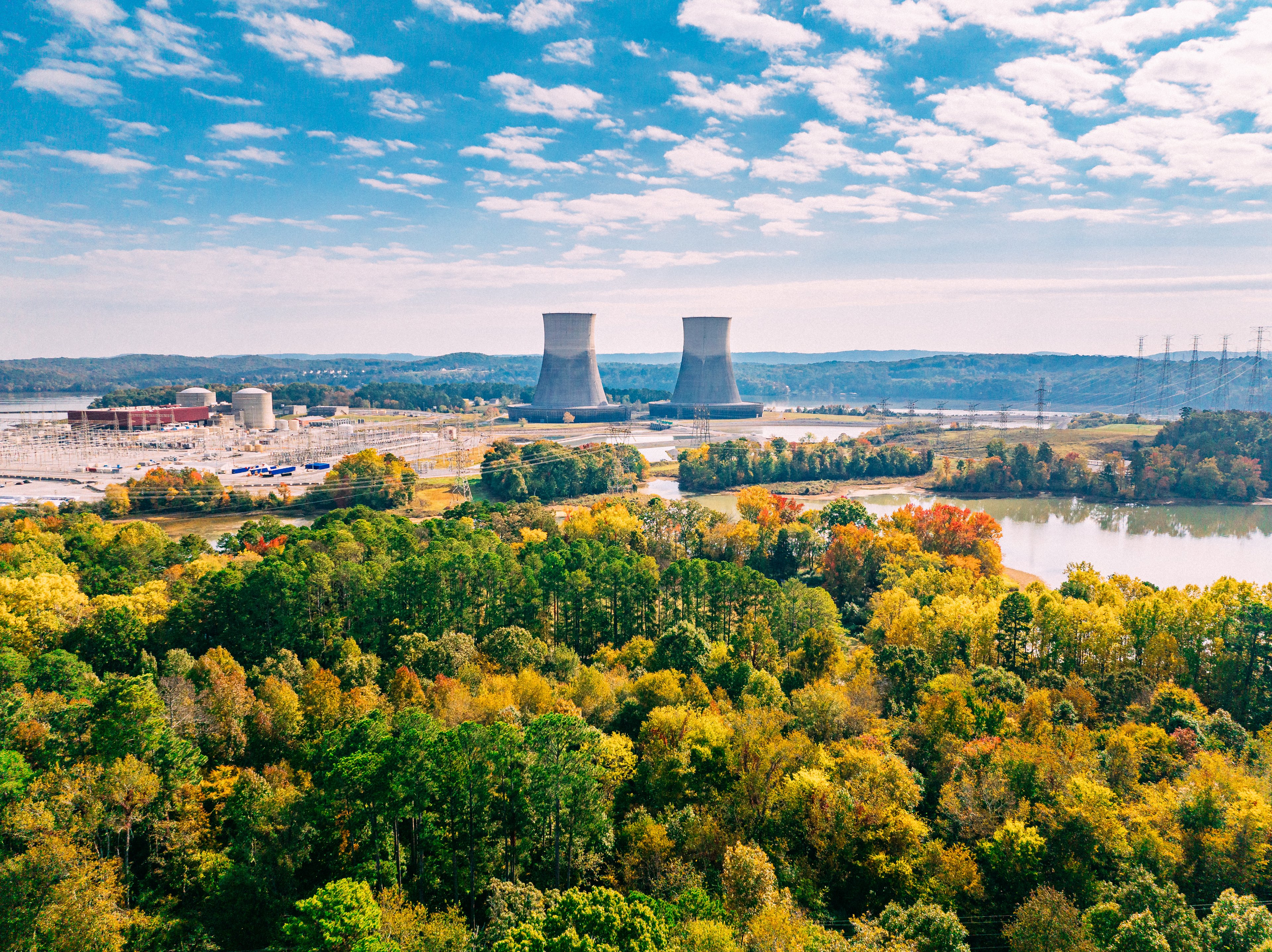
Image source: Getty Images.
The world is going to need a lot more electricity
Earlier this month, IEA Executive Director Fatih Birol talked about the huge increase in energy demand that the industry is currently facing. "Electricity demand increases three times faster than the total energy demand," he told reporters in Seoul, adding that 61% of global energy investment has gone to electricity this year versus 39% for fossil fuels.
Renewables like solar can help service much of that demand, but nuclear energy has one important advantage. It can generate enormous amounts of energy 24 hours a day. Nuclear as a whole is still growing at a moderate pace due to the long lead times and costs necessary to get a power plant up and running.
But AI development could soon start accelerating that build-out. Tech companies are increasingly looking into the development of small modular reactors, which can be set up and begin producing energy more quickly than traditional reactors, as a potential solution.
This is where the investment case for the Sprott Uranium Miners ETF gets interesting.

NYSEMKT: URNM
Key Data Points
Uranium miners have substantial upside
To be clear, investing in uranium miners isn't the same as betting on the direction of uranium prices. These are companies with balance sheets, cash flows, and profits, so they'll trade like the stocks they are.
But they can also achieve considerable operating margins when commodity prices are rising. Once uranium prices begin exceeding the production cost, additional price increases can translate heavily into stronger profits.
And there's government support for increasing nuclear capacity. The Trump administration has a goal of quadrupling the country's nuclear capacity by 2050.
The opportunity for uranium miners is likely to be volatile and comes with risks. But there's a clear investment case here. This underappreciated energy source could be one of the biggest winners in the years ahead.