Centrus Energy's (LEU +0.25%) stock closed at a 52-week high of $464.25 per share on Oct. 16, 2025. Today, it trades at about $143. Let's see why this nuclear energy stock shed 69% of its value -- and if its growing backlog makes it a contrarian investment today.
What does Centrus do?
Centrus is one of the few U.S. companies licensed to sell low-enriched uranium (LEU), the most commonly used fuel in commercial nuclear reactors. It's also the only public U.S. company that produces high-assay low-enriched uranium (HALEU) for next-gen nuclear reactors.

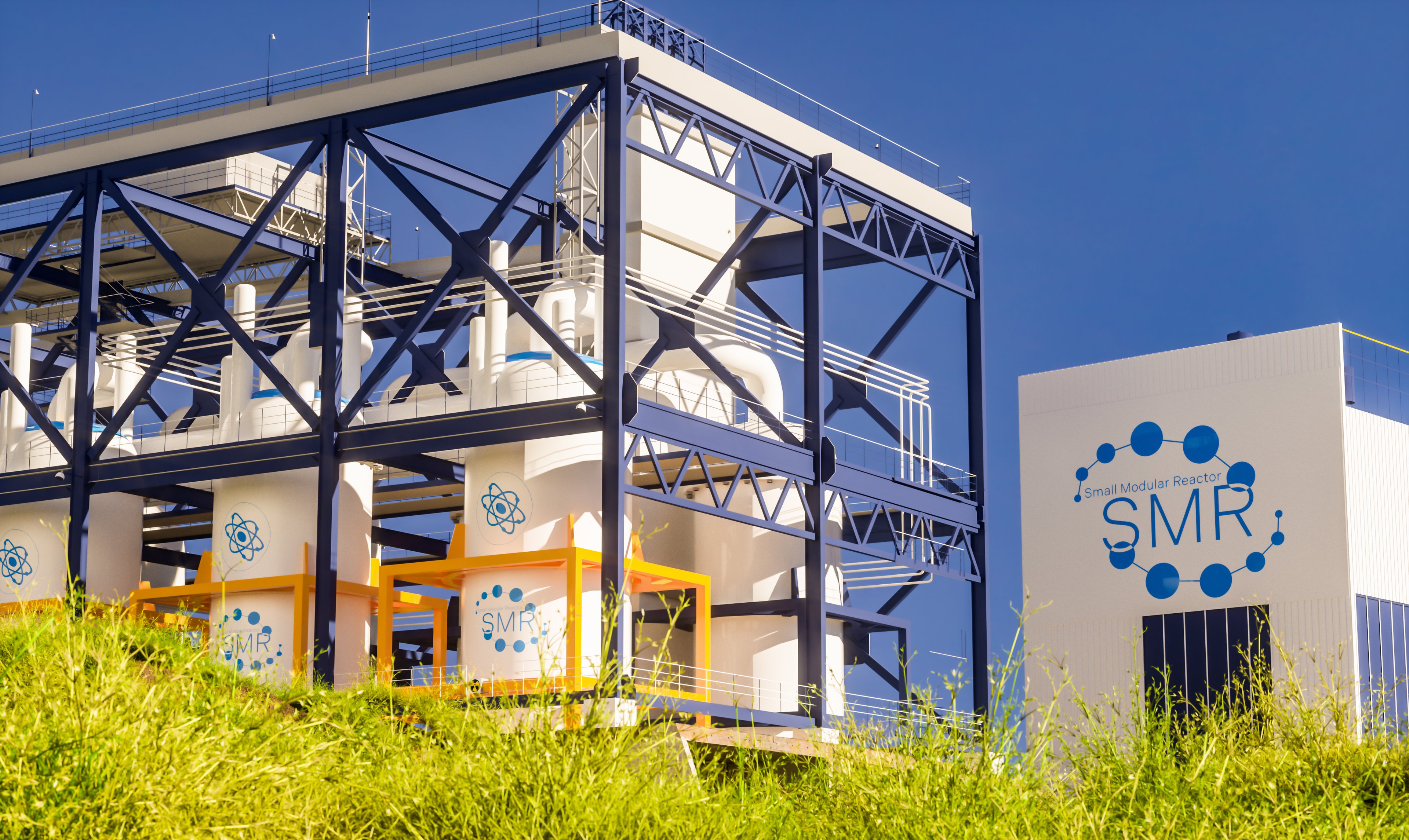
Image source: Getty Images.
Centrus originally enriched its own LEU on a commercial scale, but it shut down its aging plants 13 years ago when it became cheaper to import and resell LEU from overseas to U.S. utilities. But over the past few years, the sanctions against Russia and the U.S. drive toward energy independence prompted Centrus to restart its domestic enrichment strategy.
Centrus began producing HALEU in the U.S. three years ago and aims to restart its LEU enrichment operations in Ohio by the end of the decade. By the end of the second quarter of 2026, its total backlog of LEU and HALEU orders had swelled to $4.5 billion. That's equivalent to 9.5 times its projected revenue for 2026.

NYSE: LEU
Key Data Points
Why did Centrus' stock pull back?
Centrus might initially seem a no-brainer play on the resurgent nuclear market, which is benefiting from new decarbonization initiatives and the growth of the cloud and AI markets.
But from 2025 to 2028, analysts expect Centrus' revenue to decline from $449 million to $443 million, while its net income slides from $78 million to $50 million.
Centrus' backlog is robust, but it won't convert most of those orders into revenue until the late 2020s and the 2030s. The U.S. will also fully ban Russian uranium imports by 2028, before Centrus can fully restart its domestic enrichment operations at a commercial scale. Those delays and supply constraints will likely throttle its near-term revenue growth.
At the same time, Centrus must increase its capex to accelerate its domestic enrichment plans. That pressure will squeeze its near-term earnings, while rising interest rates will make it more expensive to issue fresh debt. All of those challenges caused its stock to pull back, but it still looks expensive at 50 times next year's earnings.
Centrus' stock should eventually recover after it completes its capital-intensive transformation, but it doesn't look like a bargain yet. Investors who want to profit from the nuclear market's growth should probably stick with safer and more diversified stocks instead.