Loading paragraph...
Loading image...
Loading paragraph...
Loading paragraph...
Loading image...
Loading paragraph...
Loading paragraph...
Asset
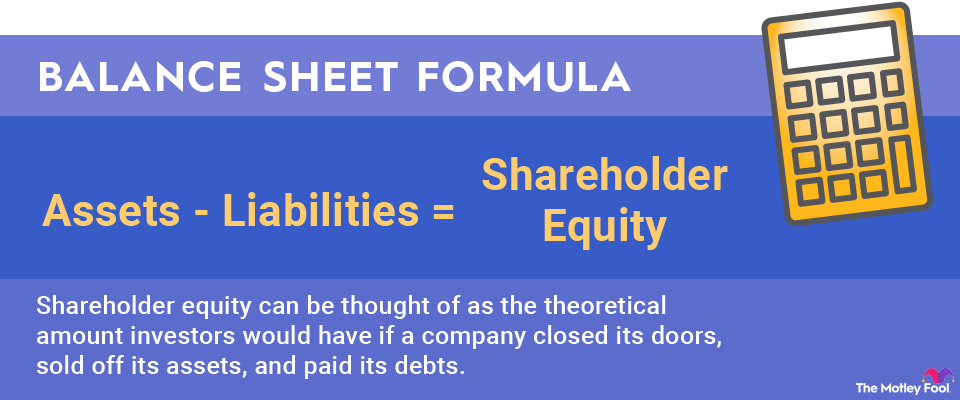
An asset is a resource used to hold or create economic value.
Loading paragraph...
Liability
When it comes to evaluating a business, a liability is really just a one-word description of what a company owes to other parties.
Loading paragraph...
Statement of Shareholders’ Equity
A summary of changes in a company's ownership interests, including stock issuance and earnings.
Loading paragraph...
Loading image...
Loading paragraph...
Loading paragraph...
Loading hub_pages...
Loading paragraph...
Loading paragraph...
Loading faq...
About the Author

Matt Frankel, CFP, is a contributing Motley Fool stock market analyst and personal finance expert covering financial stocks, REITs, SPACs, and personal finance. Prior to The Motley Fool, Matt taught high school and college mathematics. He holds a bachelor’s degree in physics from the University of South Carolina, a master’s degree in mathematics from Nova Southeastern University, and a graduate certificate in financial planning from Florida State University. He won a SABEW award for coverage of the 2017 Tax Cuts and Jobs Act. He is also regularly interviewed by Cheddar, The National Desk, and other TV networks and publications for his financial, stock market, and investing expertise.
Matt Frankel has no position in any of the stocks mentioned. The Motley Fool has positions in and recommends Apple. The Motley Fool has a disclosure policy.