Wake up to the latest market news, company insights, and a bit of Foolish fun -- all wrapped up in one quick, easy-to-read email, called Breakfast News. Delivered at 7:30 a.m. ET every single market day. See an example of our weekday Breakfast News email & sign-up below.
Loading image...
Loading raw_html...
1. The Fed Hiked a Quarter Point; the Dow Shed 630
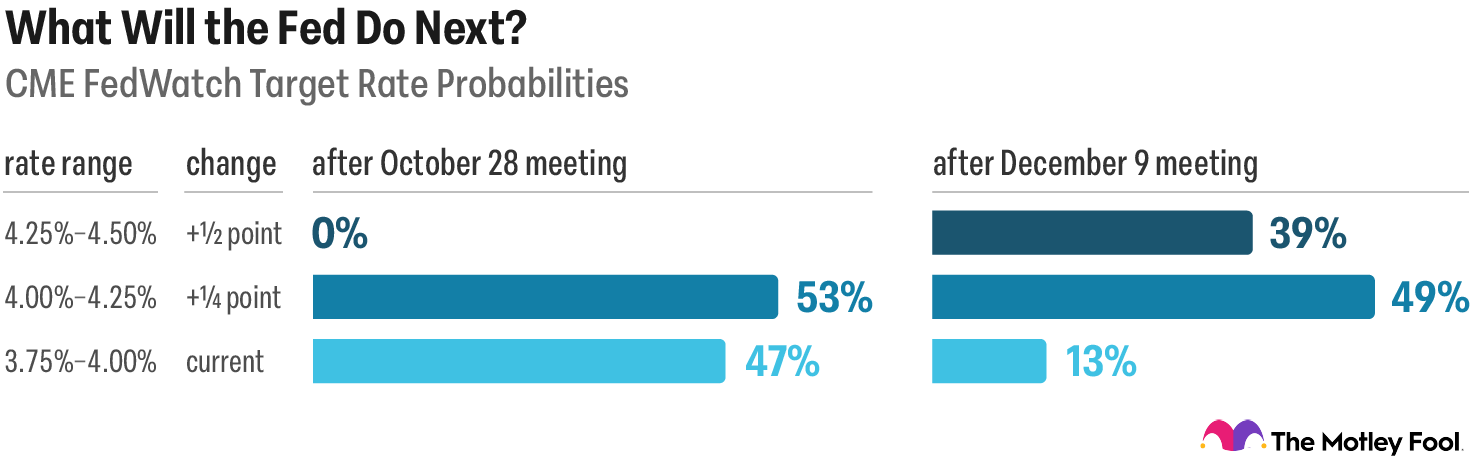
Loading paragraph...
2. The AI Trade Split on a Slowdown Warning
Loading paragraph...
3. Corning, Axon, and Kyndryl Paid Up for Growth
Loading paragraph...
4. Amazon's $2.4 Billion Generator Order Came With Warrants
Loading paragraph...
5. Four House Calls on Stocks That Look Expensive
Loading paragraph...
6. Today's Question
How do you decide whether a company is raising money from strength or from need?
Discuss with friends and family, or become a member to hear what your fellow Fools are saying!