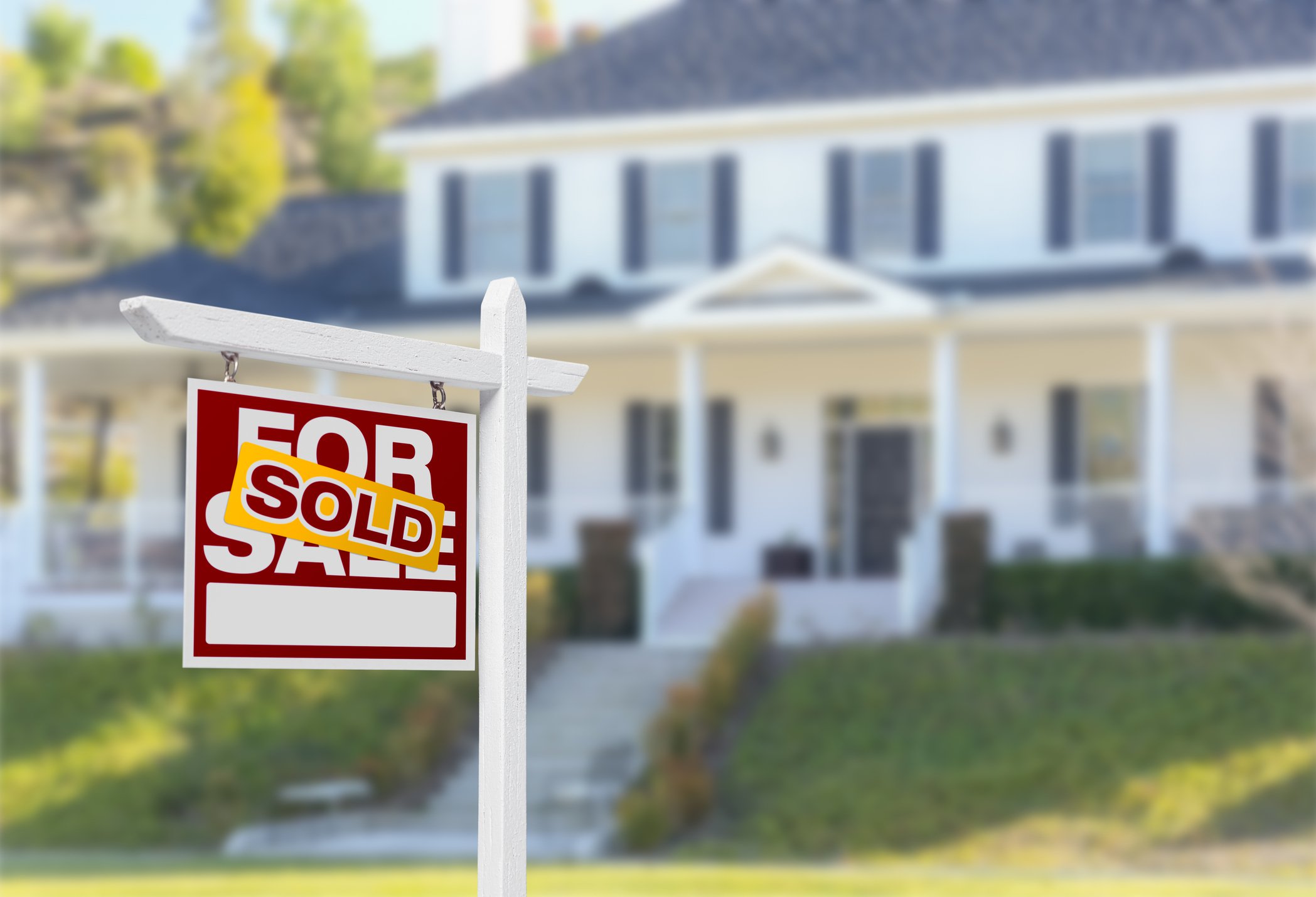
For the past year or two, we've been chest-deep in all sorts of policies to stem foreclosures. We've performed financial gymnastics on mortgages. We've paid people to buy homes. We've paid banks to refinance mortgages. You know the story.
All of this makes for great politics, but usually poor economics. If there's a central theme to the housing crisis, it's that many of those who bought homes over the past decade never should have -- they belong in the renting crowd -- so attempts to keep them as homeowners often just delay the inevitable.
That's why last week's news that Fannie Mae (NYSE:FNM) is starting a program to lease homes back to homeowners on the brink of foreclosure makes some sense. It isn't infallible (I'll get to that later), but of all the policies put forth so far, this one seems the most reasonable.
It goes something like this: Homeowners with a mortgage backed by Fannie Mae, and with absolutely no hope of staying current on their mortgage payments, can complete deed in lieu of foreclosure. The homeowner simply gives the house back to Fannie, releasing the owner from the mortgage; basically what happens in a foreclosure. But the previous owner then agrees to rent the home from its new owner, Fannie Mae, at local market rent rates.
Why this makes sense
The thought of Fannie Mae entering the rental business might seem like another attempt to cover up reality. But there are economic benefits here.
First, homeowners eligible for the leaseback program are only those ineligible for a modification, and who can prove their income doesn't make the current mortgage affordable. That way, homeowners who are underwater but can still afford their mortgage payments can't simply opt to become renters because it's in their best interest.
This is important, because leasebacks will go only toward homes that would be foreclosed anyway. These are problems Fannie is stuck with, leaseback or no leaseback.
The advantage, then, is that rather than being stuck with unoccupied homes, trying to sell them in a market fraught with excess supply, Fannie pockets the cash flow from renting. It's basically monetizing what might otherwise be idle inventory.
Now, the words "idle inventory" might make you fume. Most of the time, a lender would simply sell the property at the going market rate. If inventory isn't selling, it obviously isn't cheap enough. And that market rate, in theory, should correlate closely to the discounted value of future rent payments. Hence, collecting rent shouldn't be anymore economically beneficial than selling the property at current prices.
This is true insofar as the market isn't tripping over itself with piles of excess inventory. Right now, it is. Dumping homes at distressed prices isn't beneficial for the sellers if they have other options. And by renting homes out, Fannie Mae does.
Plus, by staving off a wave of actual cash sales rather than automatic deed transfers, supply is kept off the open market. This bolsters prices, blowing life back into the market. That wouldn't just benefit Fannie Mae, but banks like Bank of America (NYSE:BAC) and Wells Fargo (NYSE:WFC), as well as side industries like Home Depot (NYSE:HD) and Caterpillar (NYSE:CAT). Trickle-down at its finest.
Granted, home prices in many markets are already stabilizing, if not rebounding. But how much of this rebound is truly sustainable? A lot of the stabilization likely has to do with things like the $8,000 first-time homebuyers credit -- temporary measures that work ... until they don't. Indeed, analysis firm Fiserv expects national home prices to fall another 11% by next summer. The housing crisis isn't over, and the leaseback program could be a sane way to at least blunt its wrath.
Why it doesn't make sense
But here's the thing: Unless Fannie wants to become the nation's permanent landlord, it's going to need to sell these homes someday. When it chooses to do so, what do you think will happen to home prices? Unless it waits for another epic housing bubble to sell into, prices will simply fall anew.
And so the leaseback program could end up creating a false bottom, delaying a real recovery until Fannie finally decides to sell the homes into the open market. That false bottom could end up making the problem worse, as artificial price stabilization could entice builders like KB Homes (NYSE:KBH) and Lennar (NYSE:LEN) to ratchet up new-home construction. Adding in Fannie's "shadow" inventory with that new construction could end up creating a bubble within a bubble.
Bottom line, the leaseback program could be beneficial. Its success relies on when Fannie ends up selling these homes back to the open market, and at what price. This isn't unlike the Federal Reserve's current predicament with money supply: It's an extraordinarily fragile balance between not overstaying your welcome, but not leaving so quickly that you body-slam the economy back further than it was before.
Good luck, guys.
For related Foolishness: