For many retired seniors, Social Security serves as a critical source of income. And because of that, it's important to claim benefits at the right time.
In case you're not familiar with how Social Security works, you should know that your filing age will determine how much the program pays you throughout retirement. If you sign up at your exact full retirement age (FRA), you'll get the precise monthly benefit you're entitled to based on your earnings history.
But filing at FRA is by no means your only option. For one thing, there's no such thing as a final age to claim Social Security. You can sign up as late as you want, but you should know that there's no financial incentive for delaying your claim past the age of 70. However, for each month you delay your filing between FRA and age 70, your monthly benefit gets a chance to grow.

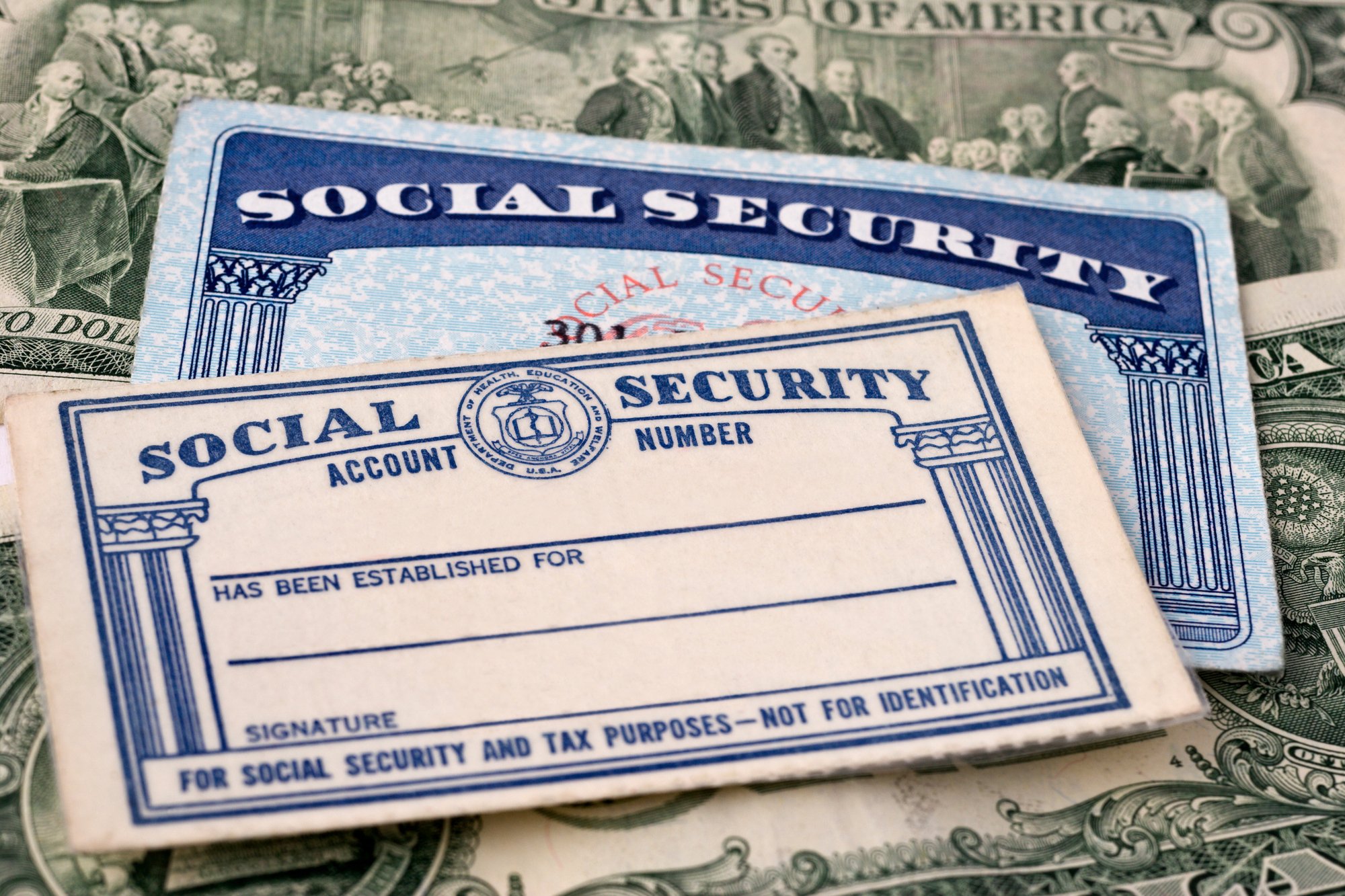
Image source: Getty Images.
You can also file for Social Security as early as age 62. Claiming your monthly benefit before FRA will mean reducing it on a permanent basis, and the earlier you file, the more of a hit you can expect your paychecks to take.
With all of that in mind, here are some key questions to ask yourself if you're thinking of claiming Social Security but aren't sure whether you're truly ready.
1. Am I still working?
You're allowed to work and collect Social Security at the same time. But if you're still working and haven't yet reached FRA, you'll need to worry about exceeding the yearly earnings-test limit. So if you're in that boat, you may want to hold on filing for Social Security, since doing so could mean not only locking in a lower monthly benefit for life but also subjecting yourself to having some benefits withheld due to surpassing the earnings-test limit.
2. Am I healthy?
Generally speaking, the better your health, the more it pays to delay your filing past FRA, as that could result in a higher total lifetime payout from Social Security. On the flip side, if your health is poor and you're less likely to live a long life, filing for Social Security early might be the better choice financially. Obviously, the state of your health can change from one year to the next, but if it's already poor, it may be a sign that you should sign up for benefits sooner rather than later.
3. Am I confident in my retirement savings?
Social Security could only constitute a portion of your total retirement income. And ideally, you'll have a nice amount of savings to fall back on. But if you're worried your nest egg will fall short in retirement, you may want to err on the side of delaying your Social Security filing. A higher monthly benefit for life could help compensate for the smaller withdrawals you may need to take from your IRA or 401(k) plan.
There's a lot riding on your Social Security filing decision, so it's important to sign up for benefits strategically. Running through these questions before you move forward with a Social Security claim could help you avoid a world of regret.