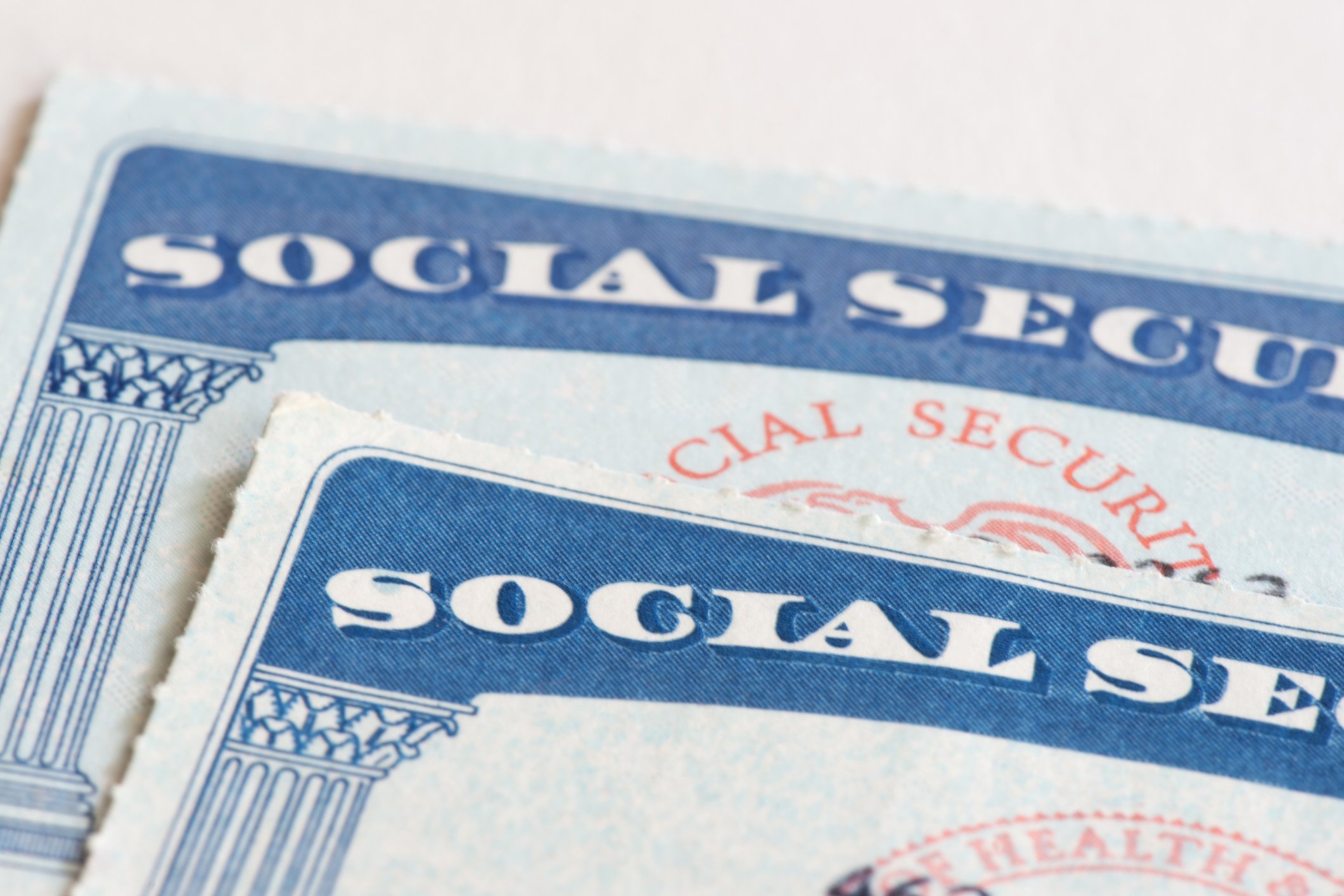
If Social Security is your primary source of retirement income, the thought of losing any of your checks is likely a scary one. As it is, you might have a hard time covering all your living expenses, even with the 2.8% cost-of-living adjustment (COLA) taking effect with next month's payment.
Yet many seniors face losses due to federal Social Security benefit taxes each year. If you live in one of the nine states listed below, you could also owe state Social Security benefit taxes in 2025.

Image source: Getty Images.
The 9 states that still tax Social Security benefits
States that tax Social Security benefits have slowly started to remove those laws from their books. In 2025, only nine states have a benefit tax on some of their seniors. They are:
- Colorado
- Connecticut
- Minnesota
- Montana
- New Mexico
- Rhode Island
- Utah
- Vermont
- West Virginia
West Virginia is phasing out its benefit tax. This year, single adults with adjusted gross incomes (AGIs) of $50,000 and married joint filers with AGIs of $100,000 or less won't owe any benefit taxes. Those with higher AGIs will only owe taxes on 35% of their benefits in 2025, and next year, all Social Security benefits will be exempt from state taxation.
Even if your state has no plans to change its laws, that doesn't mean you'll have to give it a portion of your benefits. Many states with benefit taxes have exemptions for those with AGIs under a certain limit, like West Virginia. This means that many low- to middle-income seniors won't have to worry about state benefit taxes. However, federal benefit taxes remain a concern for seniors in all states.
How federal Social Security benefit taxes work
The federal government looks at your marital status and your provisional income -- AGI, plus any nontaxable interest from municipal bonds, and half your annual Social Security benefit -- to determine if you owe Social Security benefit taxes. The table below breaks down what percentage of your benefits could be taxable:
|
Marital Status |
0% of Benefits Taxable If Provisional Income Is Below: |
Up to 50% of Benefits Taxable If Provisional Income Is Between: |
Up to 85% of Benefits Taxable If Provisional Income Exceeds: |
|---|---|---|---|
|
Single |
$25,000 |
$25,000 and $34,000 |
$34,000 |
|
Married |
$32,000 |
$32,000 and $44,000 |
$44,000 |
Source: Social Security Administration.
The above thresholds aren't indexed for inflation. This means that federal benefit taxes have become increasingly common as average benefits and cost of living have risen.
To be clear, you're not in danger of losing 85% of your benefits to the IRS, no matter how high your income is. At the most, you'd pay ordinary income taxes on up to 85% of your benefits. This could still amount to several thousand dollars, though.
In some cases, you can reduce or avoid benefit taxes by spending less or relying more upon Roth savings. Withdrawals from these accounts typically don't count toward your provisional income.
When benefit taxes are inevitable, you'll need to prepare for them. If you expect a tax bill, earmark some of your savings to cover these costs or consider setting up a payment plan with the IRS. You can also ask that the Social Security Administration withhold money from your checks for benefit taxes. If it withholds too much, you'll get the extra back as a refund when you file your tax return.
If you're not sure how Social Security benefit taxes may affect your tax bill, consult with an accountant in your area. They'll be able to walk you through what you'll owe at the federal and state levels and what your payment options look like.