The start of a new year is a great time to focus on all things finance-related. As the year progresses, you may get busy with work, social plans, or other obligations.
So January is an optimal time to tackle certain financial moves, including these.
1. Get on a budget
Whether you're working or retired, it's important to have a clear sense of how much money you have coming in and what your expenses look like. So now's the time to set up a budget for 2026 that allows you to make the most of your paycheck -- whether it's an employer paycheck or a combination of Social Security benefits and retirement plan withdrawals.

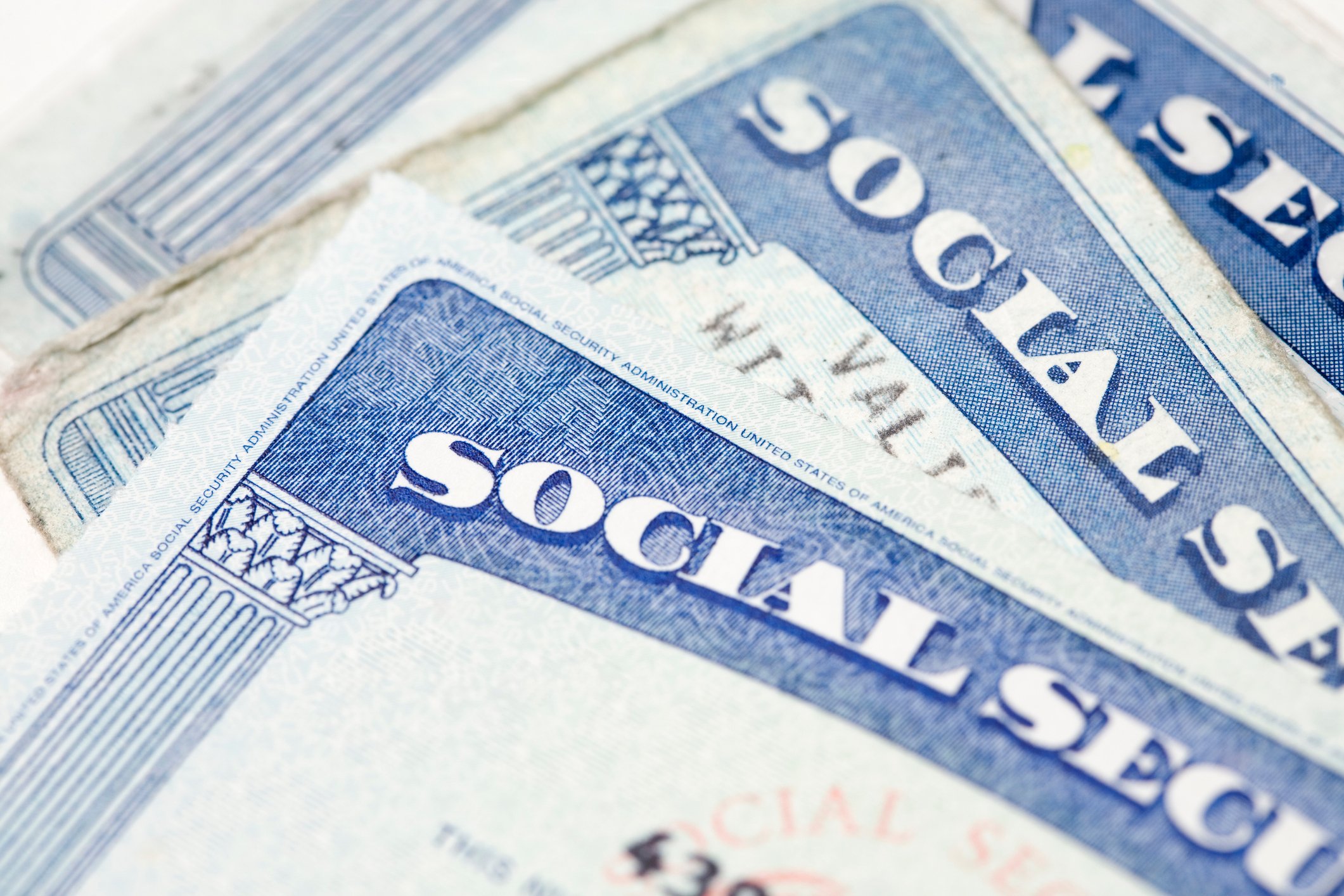
Image source: Getty Images.
If you're still working and are getting a raise this year, figure out what your monthly paycheck looks like with that extra money. If you're retired and on Social Security, figure out what your monthly benefits will amount to once you get your 2.8% cost-of-living adjustment (COLA).
Also account for rising expenses of yours. If your rent is going up in February, that'll need to be noted in your budget. If you'll be spending more on Medicare, that, too, needs to be factored in. Once you have everything mapped out, you can see if any adjustments to your spending need to be made.
2. Map out a savings goal
It's important to have savings for every stage of life. You need a solid emergency fund during your working years to cover unplanned bills or tide yourself over during a period of unexpected unemployment. You also need retirement savings to supplement your Social Security checks.
If you're retired, you need ample cash reserves, too. You could still run into an unplanned bill, like a home or car repair, that your monthly Social Security benefits can't cover.
Now's the time to create a savings goal for the year and figure out a plan to meet it. If you're not yet retired, that could mean cutting spending in a few different categories. If you're retired, it could mean returning to work part-time to drum up more cash.
3. Come up with a debt payoff plan
The more money you spend on the debt you're carrying, the less you'll have left over for savings purposes or expenses. Assess your debt and try to come up with a payoff plan.
Generally speaking, it's best to focus on high-interest debt like credit card balances. There's less of a need to stress about paying off a mortgage at 6.5% when your credit card comes with a 21% APR.
Any budget you set up for 2026 should include a line item for debt payoff purposes. And this holds true even if you're in retirement.
High-interest debt in particular could eat into your Social Security checks heavily. The sooner you can shed it, the better.
4. Start gathering your tax documents
2025 taxes aren't due for another four and a half months at this point. But it's still a good idea to start gathering tax paperwork early on in the year. The sooner you get organized, the less of a scramble you might have later.
One helpful thing to do in January is put together a tax checklist so you know what documents to gather. Those could include:
- W-2 forms
- 1099 forms, including those for interest income, dividend income, and freelance income
- Mortgage interest statements
- Property tax records
- Records of charitable donations and other potential deductions
The moves you make at the beginning of 2026 can shape your financial trajectory for the entire year. Aim to check these important items off your list as early on as possible so you can approach the upcoming year with more confidence.